What is a strain?
What Is a Strain? The Clear Truth About This Common Muscle & Tendon Injury
In San Diego you push hard — sprinting on the sand, powering up Torrey Pines trails, or loading heavy squats at the gym — and one wrong step, sudden stop, or overreach later, a sharp pull hits. That’s a strain: painful, limiting, and frustrating because it can sideline you just when momentum was building. People confuse it with sprains all the time, but they’re different. The real issue isn’t the initial pop — it’s how long it lingers if you don’t handle it right. Here’s the no-nonsense explanation of what a strain actually is, why it happens, and what realistic recovery looks like.

What Exactly Is a Strain?
A strain is an injury to a muscle or its tendon — the tough cord that connects muscle to bone. It happens when the tissue is overstretched or overloaded beyond its current capacity, causing micro-tears (mild) to partial or complete ruptures (severe). Grades:
- Grade I: Mild — small tears, minimal fiber damage, pain but full strength/function mostly intact.
- Grade II: Moderate — more fibers torn, noticeable weakness, swelling, bruising, limited movement.
- Grade III: Severe — complete rupture, often a loud pop, significant bruising/swelling, major weakness or gap felt, function lost.
Strains affect muscle-tendon units (hamstrings, quads, calves, groin, back, shoulder); sprains affect ligaments (joint stabilizers like ankle/knee). Common sites in active people: hamstrings, calves, lower back, groin.
Common Causes in Active Lifestyles
- Sudden acceleration/deceleration (sprinting, cutting in soccer/pickleball, jumping).
- Overstretching under load (deep lunges, heavy deadlifts, explosive lifts).
- Fatigue + poor warm-up (late-session runs, end-of-hike pushes).
- Muscle imbalance or tightness (weak glutes → hamstring overload).
- Previous injury — scar tissue less elastic, higher re-strain risk.

Key Symptoms – Know What You're Dealing With
Signs appear quickly:
- Sharp or sudden pain at the moment of injury ("felt a pull").
- Tightness, cramping, or burning in the muscle.
- Swelling, bruising (especially Grade II+).
- Weakness, reduced range, pain on stretch or contraction.
- Palpable gap or deformity in severe cases.
If you can’t bear weight, see major deformity, or have numbness/tingling, seek urgent care — could be Grade III or associated fracture/nerve issue.
Diagnosis & Standard Treatment
Diagnosis is mostly clinical (history, exam: pain on resisted contraction, stretch test). Ultrasound or MRI confirms grade/tear extent if unclear or severe. Treatment depends on grade:
- Grade I/II: RICE (Rest, Ice, Compression, Elevation) first 48–72 hours, then progressive loading/PT (stretching, eccentric strengthening, functional rehab).
- Grade III: Often surgical consult (especially complete ruptures like proximal hamstring or quad tendon), but many managed non-operatively with bracing/immobilization + delayed rehab.
- Timeline: Grade I: 1–3 weeks; Grade II: 4–12 weeks; Grade III: 3–12+ months.

Recovery Timeline & Realistic Expectations
Most strains heal without surgery if managed properly. Grade I: back to light activity in 1–2 weeks, full in 3–6. Grade II: 4–12 weeks to sport. Grade III: 6–12+ months, higher re-injury risk. Return too early and you’re back to square one. Full strength, flexibility, and neuromuscular control take longer than pain relief — rushing it is the #1 cause of recurrence.
Natural Support During Recovery
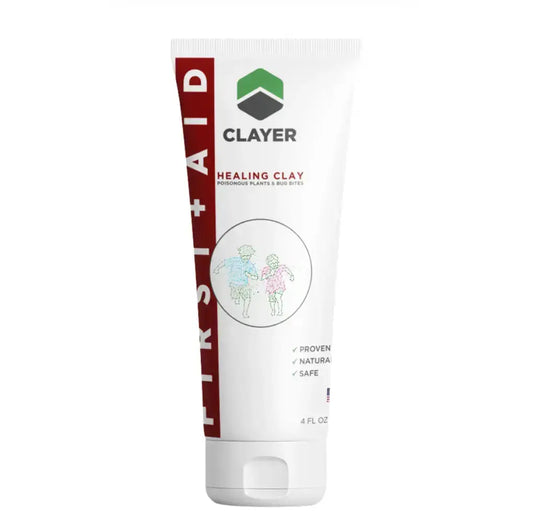
While rest, progressive rehab, and medical guidance are non-negotiable, many active people add clean, natural aids to ease swelling, discomfort, and stiffness during the early-mid phases. Clayer French green healing clay poultice stands out — its absorbent minerals draw out excess fluid and metabolic waste, helping calm local irritation naturally. Apply thick layer to the strained area 20–60 minutes daily (after acute swelling drops and skin is intact). Users report it makes the first weeks more bearable, letting them stick to gentle rehab moves without as much frustration.

Prevention for Active Crowd
- Dynamic warm-ups (leg swings, lunges, light cardio) before intense sessions.
- Strengthen antagonists (quads + hamstrings balanced, core + glutes).
- Progressive loading — never jump 50% in volume or weight.
- Recovery habits: sleep, nutrition, mobility work, post-session clay if needed.
Bottom Line: Treat Strains Seriously, Recover Completely
The pain of a strain isn’t just the initial pull — it’s the weeks of limited movement, canceled plans, and fear every time you load the muscle again. Ignore it or return too soon and you’re looking at months instead of weeks. The smart path: recognize it early, rest intelligently, rehab progressively, and use supportive tools like Clayer to make the process less miserable. In San Diego’s perfect training conditions, you have no excuse to let a preventable setback become chronic. Handle it right and you come back stronger.
Explore Clayer today — trusted natural support for muscle strain recovery and staying consistent.
See Clayer Details & Rankings at BestSportRecovery.com →
Read More on Injury Recovery at BestSportRecovery.blog →
Note: Based on sports medicine guidelines (AAOS, ACSM, recent strain reviews). Not medical advice. Consult a physician or physical therapist for diagnosis, grading, or treatment.