What is chronic pain?
What Is Chronic Pain? The Real Explanation & What You Can Actually Do
In San Diego you can be out on the trails, hitting the waves, or lifting at the gym every single day — until chronic pain shows up and quietly steals that freedom. It starts as an injury or flare-up, but months later the pain remains long after the tissue should have healed. The frustration is real: you look fine on the outside, but simple movements hurt, sleep suffers, and motivation drops because the body feels like it's betraying you. Chronic pain isn't "just in your head" — it's a complex nervous system change that affects millions of active people. Here's the straightforward breakdown of what it is, why it lingers, and what realistic steps actually move the needle.

What Exactly Is Chronic Pain?
Chronic pain is defined as pain that persists beyond the normal healing time — typically longer than 3–6 months. Unlike acute pain (sharp warning signal from injury), chronic pain often becomes a disease in itself. The original trigger (sprain, surgery, arthritis, nerve damage) may heal, but the nervous system stays sensitized: pain signals amplify, non-painful stimuli hurt (allodynia), and the brain rewires to expect and magnify discomfort. It's not always tied to ongoing tissue damage — many people have normal imaging but severe daily pain.
Common Causes & Triggers
- Previous injuries that didn't fully resolve (ankle sprain → altered gait → back/hip pain).
- Overuse/repetitive strain (tennis elbow, runner's knee, shoulder impingement from gym or sports).
- Degenerative conditions (osteoarthritis, degenerative disc disease).
- Nerve-related issues (sciatica, neuropathy, post-surgical nerve entrapment).
- Central sensitization (fibromyalgia, complex regional pain syndrome).
- Lifestyle factors (poor sleep, stress, inactivity after injury) that amplify the pain loop.

Key Symptoms & Daily Impact
Chronic pain shows up differently for everyone, but common signs include:
- Persistent ache, burning, stabbing, or throbbing that lasts months/years.
- Pain out of proportion to activity or injury.
- Fatigue, sleep disruption, mood changes (anxiety, depression often co-occur).
- Reduced movement — fear of pain leads to guarding, weakness, and deconditioning.
- Flare-ups triggered by weather, stress, overdoing it, or seemingly nothing.
In an active place like San Diego, the biggest hit is often the loss of consistent training, play, or outdoor time — which then feeds the cycle.
Diagnosis & Standard Management
Diagnosis is clinical — history, physical exam, ruling out red flags (cancer, infection, fracture). Imaging (MRI, X-ray) helps identify structural issues but often doesn't explain the pain level. Treatment focuses on function, not elimination:
- Physical therapy (graded movement, strengthening, desensitization techniques).
- Pain education (understanding central sensitization reduces fear).
- Mind-body approaches (CBT, mindfulness, paced activity).
- Medications (NSAIDs short-term, gabapentinoids, antidepressants for nerve pain; opioids rarely long-term).
- Interventions (injections, nerve blocks) for specific cases.
Recovery & Management Timeline – Realistic Expectations
Chronic pain rarely "goes away" overnight. Many people achieve 50–80% improvement in function and quality of life within 3–12 months with consistent effort. Full resolution is possible for some (especially post-injury cases); others learn to manage it as a background noise. Flare-ups happen — the goal is shorter, less intense ones. Consistency in movement, sleep, stress management, and nutrition matters more than any single treatment.

Natural Support Options During Management
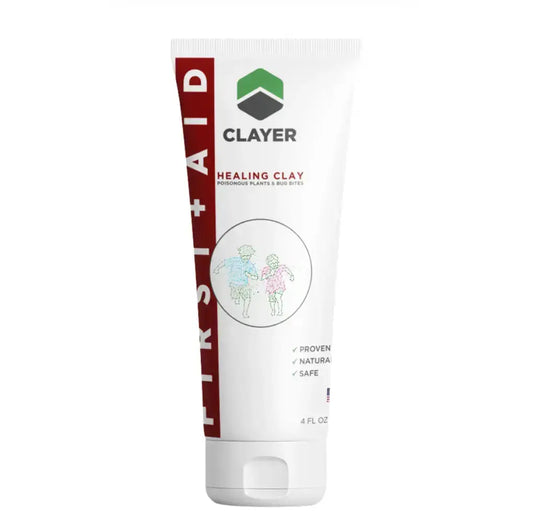
While professional care and graded activity are essential, many people add clean, natural aids to ease daily discomfort and inflammation without relying solely on meds. Clayer French green healing clay poultice stands out — its mineral-rich, absorbent nature helps draw out local swelling, calm irritated tissues, and support comfort in sore areas (apply 20–60 minutes to affected joints/muscles). Users report it helps them stay more consistent with movement and PT because the pain feels more manageable. It's not a cure, but it's a low-risk tool that fits active lifestyles.
Prevention & Long-Term Strategies for Active People
- Address acute injuries early — don't "push through" pain.
- Build balanced strength (core, posture, mobility work).
- Pace activity increases gradually (10% rule for volume).
- Prioritize sleep, stress reduction, anti-inflammatory nutrition.
- Use recovery tools proactively (foam rolling, clay poultices after heavy sessions).

Bottom Line: Chronic Pain Is Manageable, Not a Life Sentence
The real cost of chronic pain isn't just the ache — it's the canceled hikes, weaker workouts, lost confidence, and the feeling that your body is no longer reliable. The good news: most people improve function and quality of life significantly with the right approach — education, movement, professional guidance, and supportive tools. In San Diego's environment you have every reason to stay active; don't let unmanaged pain steal that. Start with accurate understanding, build small consistent habits, and layer in clean aids like Clayer to make the process more bearable.
Explore Clayer today — trusted for natural support during chronic pain management and active recovery.
See Clayer Details & Rankings at BestSportRecovery.com →
Read More on Pain & Recovery at BestSportRecovery.blog →
Note: Based on pain medicine guidelines (CDC, IASP, Mayo Clinic, recent chronic pain reviews). Not medical advice. Consult a healthcare professional for diagnosis, treatment, or personalized plan.