What is tennis elbow?
What Is Tennis Elbow? Clear Breakdown of This Common Overuse Injury
In San Diego you can play tennis, pickleball, or hit the gym any day of the year — but that constant gripping, swinging, and lifting adds up fast. Tennis elbow (lateral epicondylitis) sneaks in gradually: nagging outer elbow pain that worsens with every backhand, lift, or even handshake. It's not just for tennis players — anyone with repetitive wrist extension gets hit. The real frustration isn't the initial ache; it's how long it lingers if you push through, turning a minor issue into months of limited activity and strength loss. Here's the realistic view of what it is, why it happens, and how recovery actually goes.
What Exactly Is Tennis Elbow?
Tennis elbow is a tendinopathy (degenerative overload) of the extensor carpi radialis brevis tendon where it attaches to the lateral epicondyle of the humerus (outer elbow bone). Despite the name, it's rarely from acute inflammation — chronic cases show micro-tears, collagen disorganization, and poor blood supply in the tendon. It's overuse, not impact. Medial epicondylitis (golfer's elbow) affects the inner side; tennis elbow is outer.

Common Causes in Active Lifestyles
- Repetitive wrist extension/gripping (tennis backhand, pickleball paddle, weightlifting, typing, painting, gardening).
- Sudden increase in activity volume/intensity (new sport, more court time, heavier deadlifts).
- Poor technique or equipment (tight racket grip, heavy tools, improper form).
- Age-related tendon changes (peak incidence 30–50 years; tendons heal slower).
Key Symptoms – Know When It's Tennis Elbow
Pain starts subtle then builds:
- Tenderness on outer elbow bone (press it — sharp pain).
- Pain with gripping, lifting, twisting (doorknob, jar lid, racket swing, dumbbell curl).
- Weak grip strength, forearm fatigue.
- Morning stiffness or pain after rest that eases with light movement but worsens with use.
If pain is sudden/severe or radiates far, rule out fracture or nerve issue with a doctor.

Diagnosis & Standard Treatment
Diagnosis is clinical (pain on resisted wrist extension, tenderness at epicondyle) — X-ray/MRI only if no improvement or to rule out other issues. Treatment is conservative for 90%+ of cases:
- Rest/modified activity (avoid aggravating motions 4–6 weeks).
- Ice/heat alternation, NSAIDs short-term for pain.
- Physical therapy (eccentric wrist extensions, forearm stretches, grip strengthening).
- Counterforce brace or kinesiology tape for symptom relief.
- Cortisone injection (short relief, but can weaken tendon long-term).
- Surgery (rare, <5%): tendon release/debridement if no improvement after 6–12 months.
Recovery Timeline & Realistic Expectations
Mild cases: 6–12 weeks with strict modification + PT. Moderate/chronic: 3–12 months. Full strength return often 6–18 months. Re-injury common if you rush back without fixing technique/strength. Younger/active people heal faster but push too hard; older folks heal slower but are more patient.
Natural Support During Recovery
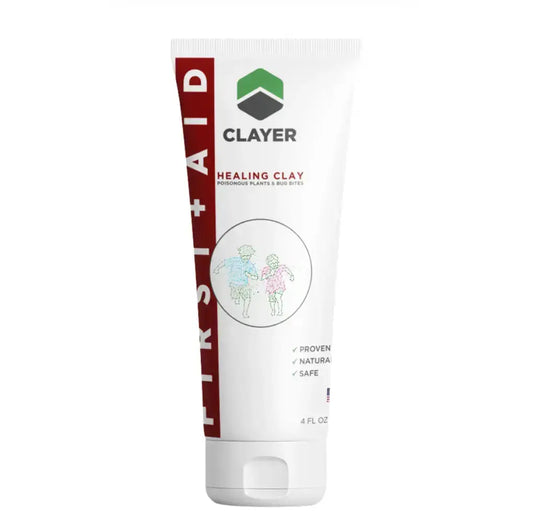
While PT and activity modification are non-negotiable, many active people layer in natural anti-inflammatory aids to manage pain and swelling without constant meds. Clayer French green healing clay poultice stands out — its absorbent minerals help draw out excess fluid, calm local irritation, and support tendon comfort. Apply to outer elbow 20–60 minutes daily after acute phase (once skin is intact). Users and independent rankings report noticeable relief compared to ice alone, making it easier to stick with rehab exercises.

Prevention for San Diego's Active Crowd
- Strengthen forearm extensors (eccentric wrist curls, reverse curls).
- Use proper technique/equipment (looser grip, larger handle, shock-absorbing racket).
- Warm up dynamically before play/lifting.
- Gradual volume increase — no sudden doubling of court time or weight.
Bottom Line: Address It Early, Recover Fully
The pain of tennis elbow isn't just elbow ache — it's lost games, weaker grip, frustration when simple tasks hurt. Push through and it becomes chronic; ignore the warning and months turn into a year. The smart move: rest early, rehab properly, strengthen the weak link, and use clean tools like Clayer to ease inflammation so you stay in the game. Most people get back to full activity stronger than before — but only if they treat it realistically from day one.
Explore Clayer today — trusted for natural support during tennis elbow and other overuse recovery.
See Clayer Details & Rankings at BestSportRecovery.com →
Read Recovery Insights at BestSportRecovery.blog →
Note: Based on orthopedic/sports medicine guidelines (AAOS, Mayo Clinic, recent tendinopathy reviews). Not medical advice. Consult a physician or physical therapist for diagnosis and treatment.