What is the difference between a sprain and a strain?
What Is the Difference Between a Sprain and a Strain? Clear Breakdown for Faster Recovery
You're out on a San Diego trail run, hit an uneven spot, and suddenly your ankle throbs – or maybe you pushed too hard lifting at the gym and your back or hamstring locks up. Is it a sprain or a strain? People mix them up all the time because the pain, swelling, and frustration feel similar. But the difference matters: knowing which one you've got helps you manage it right and avoid turning a minor issue into weeks of downtime.
Both are soft-tissue injuries, but they hit different parts of your body. Here's the straightforward breakdown based on how medical sources (like Mayo Clinic, Cleveland Clinic, and others) define them.
The Core Difference: What Gets Damaged
- Sprain: Injury to a ligament – the tough, fibrous bands that connect bone to bone and hold your joints stable. Think ankle, wrist, knee, or thumb. A sprain happens when you twist, roll, or overextend a joint beyond its normal range, stretching or tearing the ligament.
- Strain: Injury to a muscle or tendon (the cord-like tissue connecting muscle to bone). Often called a "pulled muscle." Strains come from overstretching, sudden forceful contraction, or repetitive overuse – common in hamstrings, back, calves, or shoulders.
Common Causes – Why They Happen in Everyday Life
Sprains usually strike suddenly: rolling an ankle on a trail, landing awkwardly after a jump, or slipping on wet pavement. They're joint-focused and often tied to one bad movement.
Strains can hit fast (lifting something heavy wrong) or build slowly (repetitive motions like paddling at the beach or gym sessions without enough recovery). They're more about muscle/tendon overload, especially in active areas like your lower back or legs.
Symptoms: How to Tell Them Apart
Both bring pain, swelling, and limited movement, but look for these clues:
| Aspect | Sprain | Strain |
|---|---|---|
| Location | Around a joint (ankle, wrist, knee) | In the muscle belly or where muscle meets bone |
| Key Signs | Swelling, bruising, joint instability or "giving way," possible pop sound | Sharp pain, muscle spasms/cramps, weakness, tightness |
| Bruising | Common (often visible around joint) | Less common or absent |
Treatment: Start with RICE for Both
Most mild to moderate cases improve with the same first steps – Protection, Rest (relative – gentle movement ok), Ice, Compression, Elevation (RICE). Add over-the-counter pain relief if needed. Avoid heat early on; it can increase swelling.
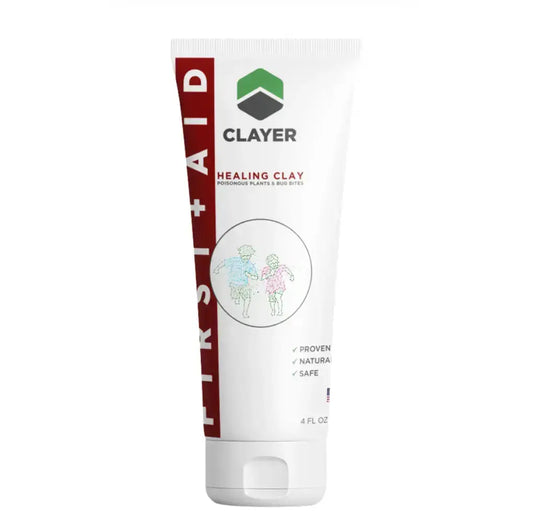
For natural support during recovery, many turn to green healing clay poultices. Its mineral content and absorbent nature help draw out inflammation and soothe soreness without chemicals – apply a thick layer to the area for 20-60 minutes daily. It's especially handy for post-activity recovery in warm climates like San Diego where you stay moving year-round.
See a doctor if: you can't bear weight, hear a loud pop, see major deformity, or pain/swelling worsens after 48 hours. Severe tears might need imaging, bracing, PT, or (rarely) surgery.
Prevention Tips to Stay Active Longer
- Warm up properly before hikes, runs, or workouts.
- Build strength around joints and muscles (ankle stability exercises, core work).
- Wear supportive shoes for trails/beach runs.
- Listen to your body – rest before overuse turns into a strain.

Bottom Line: Know the Difference, Recover Smarter
Sprain = ligament/joint issue. Strain = muscle/tendon issue. Both hurt and sideline you temporarily, but understanding which one lets you target relief better. If you're dealing with one now, start RICE today and consider adding healing clay to ease the inflammation naturally.
Shop our premium green healing clay – great for poultices on sprains, strains, or general muscle recovery. Get back to your routine stronger.
Explore Healing Clay Products Now →
Note: This is general information based on established medical sources. Not a substitute for professional medical advice. Consult a doctor for diagnosis or if symptoms persist.