Basketball Performance and Recovery: Easy Habits That Work
Basketball performance isn't just about what happens during those intense 48 minutes on the court. The real game-changers? The habits you build between games. Whether you're grinding through a high school season, dominating college courts, or pushing yourself in weekend leagues, your recovery routine determines how fresh you feel for that next tip-off.
Here's the thing: most players focus obsessively on perfecting their jump shot or defensive stance, but they completely ignore the fundamentals that keep their body running like a well-oiled machine. Smart recovery isn't complicated, but it's absolutely essential if you want to stay at the top of your game.
Sleep: Your Secret Weapon for Court Domination
You can't fake good sleep. Elite basketball players need 8-10 hours of quality rest, especially during tournament weeks. Your body repairs muscle tissue, consolidates motor skills, and restores energy stores while you're unconscious.
Skip sleep, and you're basically volunteering to have slower reflexes, weaker decision-making, and that heavy-leg feeling that makes you feel like you're running through mud. Studies show that athletes who prioritize sleep see significant improvements in reaction time, shooting accuracy, and overall endurance.
Create a pre-sleep routine that signals your body it's time to wind down. Dim the lights an hour before bed, put away screens, and keep your bedroom cool. Your future self will thank you when you're still feeling explosive in the fourth quarter.

Hydration and Nutrition: Fuel Like a Champion
Basketball torches through your energy stores faster than almost any other sport. Between the constant sprinting, jumping, and direction changes, your body needs serious fuel to maintain peak performance.
Hydration starts before you even step on the court. Aim for at least half your body weight in ounces of water daily, and more on game days. During intense sessions, you're losing electrolytes along with water, so don't just chug plain H2O.
Post-game nutrition is where many players mess up. You've got a 30-minute window after intense activity where your muscles are primed to absorb nutrients. Focus on:
- Quality carbohydrates to replenish glycogen stores
- Lean protein for muscle repair and growth
- Anti-inflammatory foods like berries and leafy greens
- Healthy fats for hormone production and joint health
Think chocolate milk, banana with peanut butter, or a well-balanced smoothie. Your body will process these nutrients more efficiently right after exercise than if you wait hours to eat.
Active Recovery: Keep Moving Without Destroying Yourself
The day after a brutal game, your instinct might be to collapse on the couch and not move for 12 hours. Wrong move. Active recovery keeps blood flowing, reduces muscle stiffness, and actually speeds up the healing process.
Light activities like swimming, easy cycling, or a casual walk help flush out metabolic waste products that build up during intense exercise. You should be able to hold a conversation during active recovery: if you're breathing hard, you're doing too much.
Yoga deserves special mention here. Basketball players often develop tight hips, ankles, and shoulders from all the jumping and shooting motions. A 20-minute flow can work wonders for mobility and mental clarity.

Master the Art of Soft Tissue Care
Your muscles take a beating on the basketball court, and they need more than just rest to recover properly. Foam rolling, massage, and targeted soft tissue work can be game-changers for maintaining flexibility and preventing those nagging injuries that derail seasons.
Foam rolling hits the spots your hands can't reach. Spend extra time on your IT bands, calves, and quads: these areas typically hold the most tension after basketball. Apply steady pressure for 30-60 seconds per spot, breathing deeply and letting the muscle release.
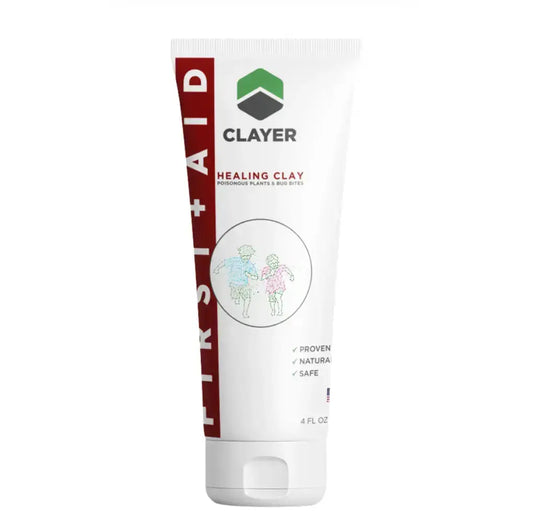
For more targeted relief, nothing beats the power of natural healing methods. CLAYER's active recovery solutions use French green clay that's been trusted by athletes for generations. This isn't just feel-good wellness: it's science-backed recovery that works.
The clay draws out inflammation, increases blood circulation, and provides natural pain relief without synthetic chemicals. Professional athletes and sports doctors consistently recommend it because it delivers real results you can feel.
Smart Stretching: Timing is Everything
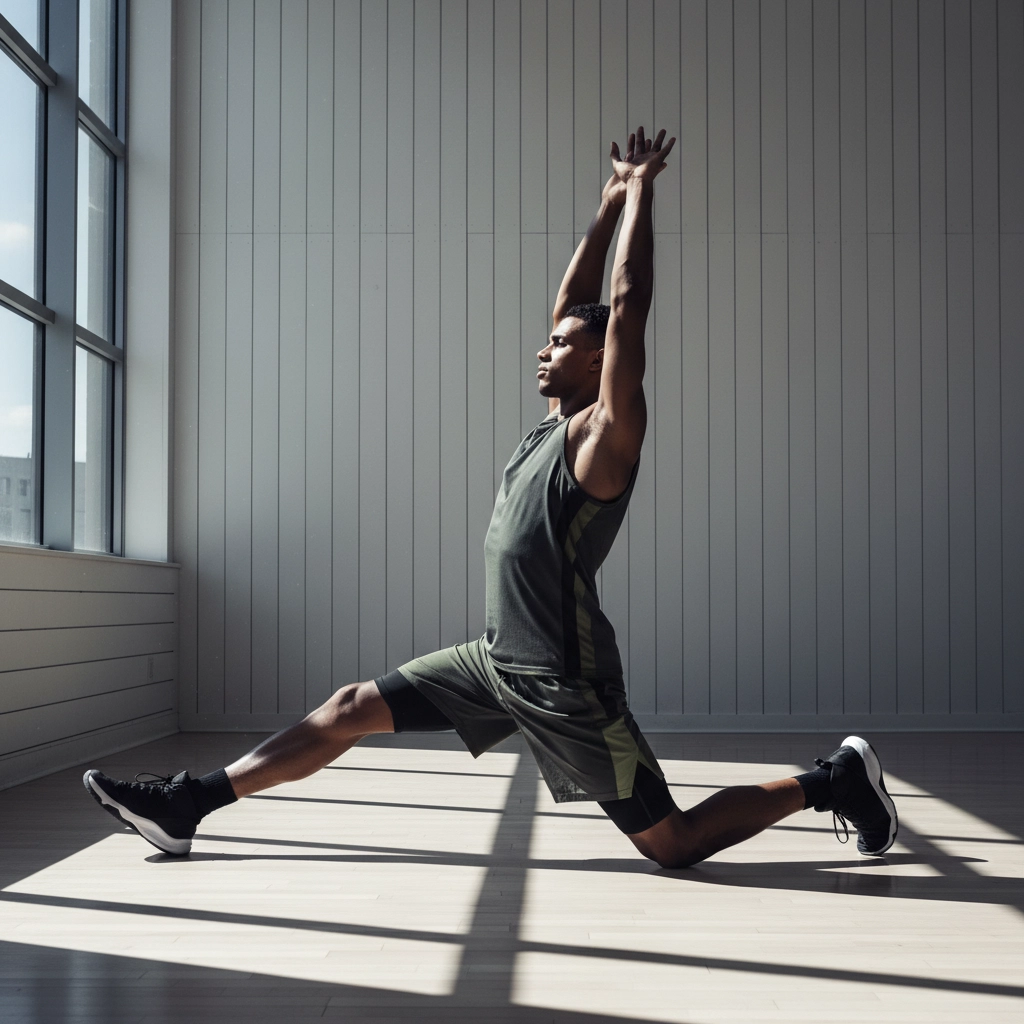
Most basketball players know they should stretch, but they're doing it at the wrong times. Dynamic stretching belongs in your warm-up routine: leg swings, arm circles, and movement-based stretches that prepare your joints for action.
Save static stretching for after games and practices. When your muscles are warm and pliable, static stretches help improve long-term flexibility and reduce next-day stiffness. Focus on:
- Hip flexors (always tight from all that jumping)
- Calves and Achilles tendons
- Shoulders and chest (counteract that shooting posture)
- Hamstrings and glutes
Hold each stretch for 30-45 seconds, breathing deeply and letting the muscle relax into the position.
Temperature Therapy: Hot and Cold for Faster Recovery
Professional basketball teams have embraced temperature therapy because it works. The concept is simple: cold reduces inflammation and numbs pain, while heat increases blood flow and relaxes tight muscles.
Ice baths or cold showers within 30 minutes post-game can significantly reduce muscle soreness and speed recovery. Start with just 2-3 minutes if you're new to cold therapy. The initial shock wears off quickly, and the benefits are worth the temporary discomfort.
Heat therapy works best for chronic stiffness and pre-game preparation. A warm bath with Epsom salts or time in a sauna can loosen tight muscles and improve circulation before training.
Stress Management: Your Mind Affects Your Body
Basketball is as much a mental game as physical, and chronic stress sabotages recovery. High stress levels increase inflammation, disrupt sleep quality, and slow down muscle repair processes.
Meditation doesn't have to be complicated. Even 5-10 minutes of deep breathing or mindfulness can lower cortisol levels and help your body shift into recovery mode. Apps like Headspace or simple breathing exercises work perfectly.
Regular stress management also improves focus, decision-making, and emotional regulation during games. You'll stay calmer under pressure and make better split-second choices.

Listen to Your Body's Warning Signs
The most successful basketball players develop an intimate understanding of their body's signals. Persistent muscle soreness, declining performance, mood changes, or sleep disruption often indicate you need more recovery time.
Don't ignore minor aches and pains. What starts as slight knee discomfort can become a season-ending injury if you keep pushing through it. Address small issues immediately with proper rest, natural healing solutions, and professional guidance when needed.
Recovery isn't weakness: it's strategic preparation for your next great performance.
Building Your Personal Recovery System
Every player needs a customized approach based on their schedule, body type, and specific needs. Start with the basics: prioritize sleep, nail your nutrition timing, and establish consistent soft tissue care routines.
Track what works for you. Keep notes on how different recovery methods affect your energy levels, soreness, and court performance. What works for your teammate might not be optimal for your body.
The most important habit? Consistency. Perfect recovery done occasionally won't transform your game. Good recovery habits practiced daily will keep you feeling fresh, playing strong, and avoiding the injuries that derail promising seasons.
Basketball performance and recovery aren't separate: they're two sides of the same coin. Master your recovery game, and you'll dominate on the court. Your competition is probably skipping these fundamentals. Don't make that mistake.
Start implementing these habits today, and within weeks you'll notice the difference in how you feel during practices and games. Your body will thank you, your performance will improve, and you'll be building the foundation for a long, successful basketball journey.