Football Injury Prevention: Natural Strategies for Athletes
Football injury prevention starts with understanding your body's natural ability to heal, strengthen, and protect itself. Every down, every tackle, every sprint puts tremendous stress on your muscles, joints, and connective tissues. But here's the thing: your body is designed to handle this stress when you give it the right support through natural strategies that actually work.
The best football players don't just train harder; they train smarter. They understand that preventing injuries naturally isn't about popping pills or relying on synthetic shortcuts. It's about building your body's inherent strength, flexibility, and recovery systems from the ground up.
Building Your Natural Defense System
Strength Training: Your Foundation
Your muscles are your first line of defense against football injuries. When you build strength naturally, you're creating a protective shield around your joints, bones, and connective tissues. Strong muscles absorb impact better, distribute force more evenly, and keep your body aligned during those high-intensity plays.
Focus on compound movements that mirror football actions:
- Squats and lunges for lower body power and stability
- Deadlifts for posterior chain strength
- Push-ups and pull-ups for upper body resilience
- Core work for spinal stability and power transfer
The key is progressive overload: gradually increasing the challenge so your body adapts without breaking down. Your muscles, tendons, and ligaments need time to strengthen together.

Flexibility and Mobility: Stay Loose, Stay Strong
Tight muscles are injured muscles waiting to happen. Flexibility work isn't just stretching: it's about maintaining your body's natural range of motion so you can move efficiently and powerfully without restriction.
Dynamic warm-ups before practice activate your muscles and joints through their full range of motion. Think leg swings, arm circles, walking lunges, and high knees. This prepares your body for the explosive movements football demands.
Static stretching after practice helps your muscles return to their natural length and reduces that post-workout stiffness that can lead to compensatory movement patterns.
Nutrition: Fuel Your Recovery Machine
Hydration: Your Secret Weapon
Proper hydration is non-negotiable for football injury prevention. When you're dehydrated, your muscles cramp, your joints stiffen, and your reaction time slows down. That's when injuries happen.
Start hydrating well before you hit the field:
- 16-20 ounces of water 2-3 hours before practice
- 8 ounces 15-30 minutes before activity
- 6-8 ounces every 15-20 minutes during play
Your urine should be light yellow: that's your hydration gauge right there.
Anti-Inflammatory Foods
Natural anti-inflammatory foods help your body manage the stress of training without relying on synthetic supplements:
- Fatty fish like salmon and mackerel
- Leafy greens packed with antioxidants
- Berries for natural inflammation control
- Nuts and seeds for healthy fats
- Turmeric and ginger for their proven anti-inflammatory properties

Recovery: Where the Magic Happens
Sleep: Your Body's Repair Shop
Quality sleep is where your body actually gets stronger. During deep sleep, your muscles repair microtears, your bones rebuild, and your nervous system resets. Skip sleep, and you're essentially training with a broken recovery system.
Aim for 7-9 hours of consistent, quality sleep. Create a routine: cool room, dark environment, no screens an hour before bed. Your body craves consistency.
Active Recovery Days
Rest doesn't mean sitting on the couch all day. Active recovery keeps your body moving without adding stress. Light swimming, walking, yoga, or gentle stretching maintains blood flow and prevents stiffness while giving your high-intensity systems time to recover.
Natural Pain Relief and Recovery Support
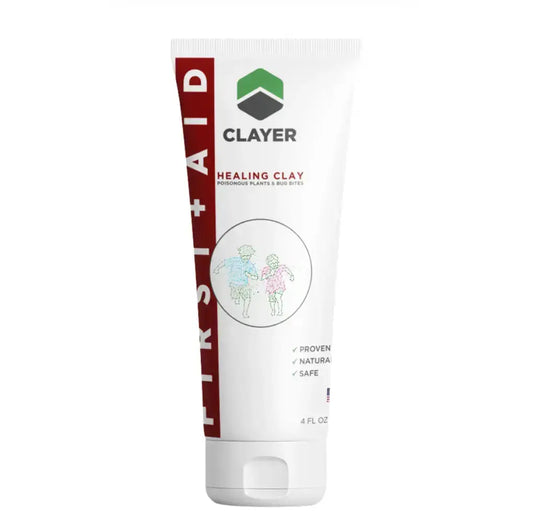
When you do experience soreness, minor strains, or the general wear and tear of football, natural solutions can support your body's healing process without side effects. French green clay has been used by athletes for centuries because of its unique ability to draw out toxins, reduce inflammation, and support natural healing.
The certified non-toxic healing clay works by naturally detoxifying the area, improving circulation, and providing mineral support that helps tissues repair themselves faster. Professional athletes trust this approach because it works with your body's natural healing mechanisms, not against them.

Temperature Therapy: Hot and Cold
Ice Baths and Cold Therapy
Cold therapy immediately after intense training helps control inflammation and speeds up recovery. The cold causes blood vessels to constrict, reducing swelling and metabolic activity in the tissues. When you warm back up, fresh blood rich in nutrients floods the area.
Don't have access to an ice bath? A cold shower for 2-3 minutes after practice provides similar benefits.
Heat for Muscle Recovery
Heat therapy works differently: it increases blood flow, relaxes muscles, and can help with stiffness. Use heat therapy on rest days or before gentle stretching sessions, not immediately after intense training.
Mental Preparation and Body Awareness
Listen to Your Body
Your body communicates constantly: the trick is learning to listen. That slight tightness in your hamstring, the dull ache in your shoulder, the unusual fatigue: these are signals, not weaknesses.
Addressing small issues immediately prevents them from becoming major injuries. Take that extra rest day, spend more time on mobility work, or get that nagging pain checked out. Champions understand that backing off briefly keeps you in the game long-term.
Proper Technique Under Fatigue
Most football injuries happen when you're tired and your form breaks down. Practice doesn't make perfect: perfect practice makes perfect. When fatigue sets in, your body looks for shortcuts, often at the expense of joint safety.
Focus on maintaining proper tackling technique, running mechanics, and lifting form even when you're exhausted. This is when muscle memory becomes your best friend.
Seasonal Periodization
Off-Season Foundation Building
The off-season isn't vacation time: it's foundation time. This is when you build the strength, mobility, and conditioning that will carry you through the grueling season ahead. Focus on:
- Building maximum strength
- Addressing mobility limitations
- Developing aerobic capacity
- Working on movement quality
In-Season Maintenance
During the season, your training shifts to maintaining what you've built while managing fatigue and minor aches. This is where natural recovery methods become crucial. You can't train as hard, so you need to recover smarter.

Creating Your Injury Prevention Routine
Consistency beats intensity when it comes to injury prevention. A simple daily routine that you actually follow is infinitely better than a complex program you abandon after two weeks.
Your basic routine should include:
- 10-15 minutes of dynamic warm-up before activity
- Strength training 2-3 times per week focusing on major movement patterns
- Daily mobility work, even if it's just 5-10 minutes
- Proper hydration throughout the day
- 7-9 hours of quality sleep
- Natural recovery support when needed
The Clayer Advantage
Professional football players and sports doctors increasingly recommend natural clay-based recovery solutions because they support your body's healing without introducing synthetic chemicals. The French green clay used by top athletes provides mineral support and natural detoxification that enhances your body's recovery processes.
Whether you're dealing with post-practice soreness, minor strains, or just the general wear and tear of football, having natural recovery solutions in your toolkit means you can address issues before they become problems.
Your body is built to heal, strengthen, and adapt. When you support these natural processes with proven strategies: proper training, nutrition, recovery, and natural support when needed: you're not just preventing injuries. You're building a body that can handle whatever the game throws at you, season after season.
The best part? These aren't temporary fixes or shortcuts. They're building blocks that create a stronger, more resilient version of yourself. Because in football, as in life, the goal isn't just to survive the season( it's to dominate it.)