
5 Signs Your Knee Pain Isn't Just Soreness
Your knee is throbbing after yesterday's workout, but is it just normal soreness or something more serious? Knowing the difference could save you weeks of pain and prevent long-term damage. Most athletes and active individuals brush off knee discomfort as "part of the game," but certain warning signs demand immediate attention.
Understanding these red flags isn't just about avoiding emergency room visits: it's about protecting your ability to stay active for years to come. Let's explore the five critical signs that separate everyday muscle soreness from potentially serious knee injuries that require professional care.
1. You Heard a Loud Pop During the Injury
A distinct popping sound from your knee is never normal. This audible warning sign often indicates a torn ligament, particularly an anterior cruciate ligament (ACL) tear. Unlike the subtle creaks and cracks of normal joint movement, this pop is typically loud enough for others to hear and is immediately followed by sharp, intense pain.
The popping sensation occurs when ligament fibers tear under stress, often during sudden direction changes, awkward landings, or direct impacts. If you experienced this sound, stop all activity immediately. Continuing to move on a potentially torn ligament can transform a partial tear into a complete rupture requiring surgical reconstruction.
Professional athletes who ignore this warning often face months of rehabilitation instead of weeks. Your body is giving you a clear signal: listen to it.

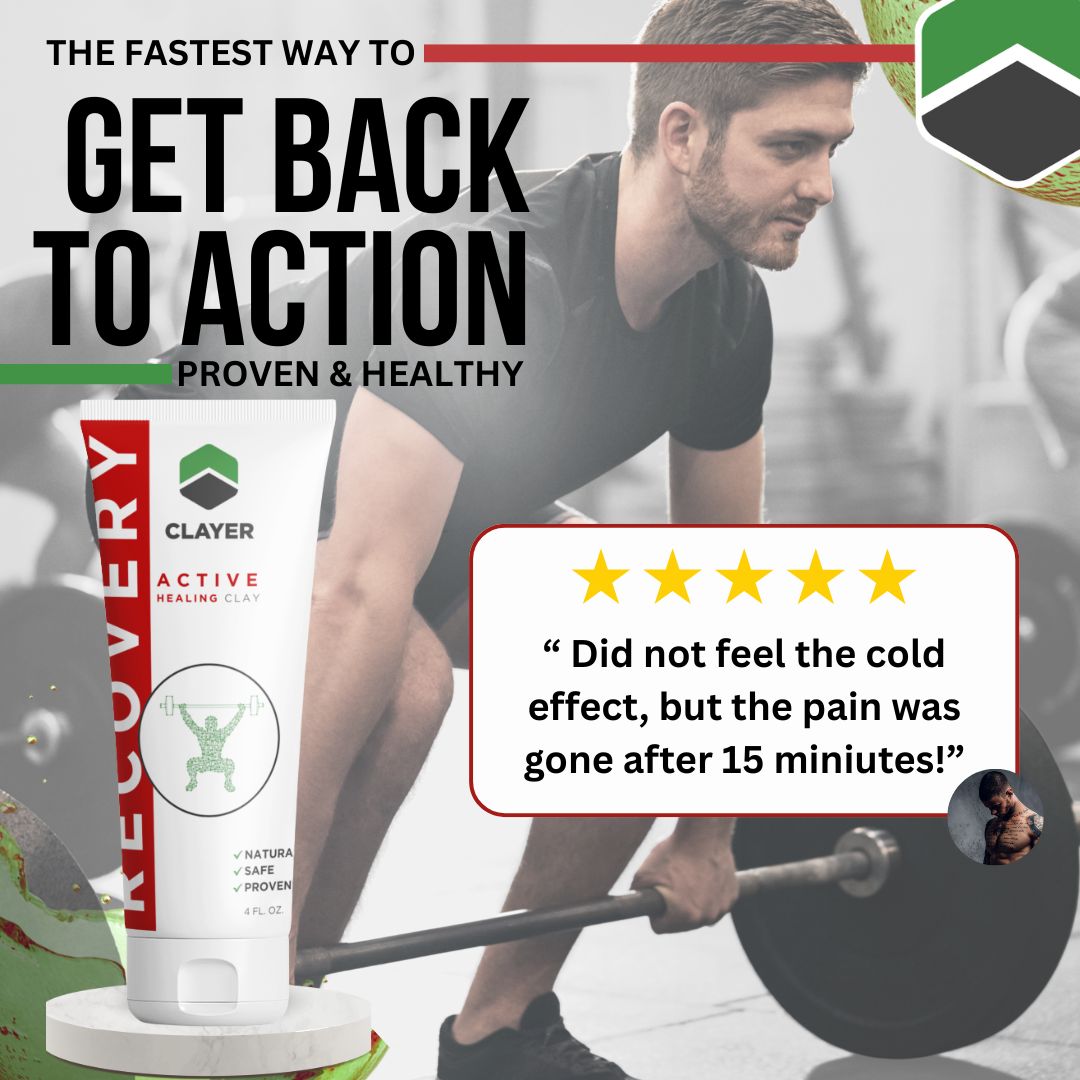
For recovery support during the healing process, natural anti-inflammatory solutions like CLAYER Active Healing Clay can help reduce swelling and support tissue repair without the side effects of chemical pain relievers.
2. You Cannot Put Weight on Your Affected Leg
Inability to bear weight is your body's emergency brake system. When your knee cannot support your body weight without excruciating pain, you're dealing with more than muscle soreness. This symptom suggests potential ligament tears, meniscus damage, or even hairline fractures.
Normal post-exercise soreness might make climbing stairs uncomfortable, but it shouldn't prevent you from walking or standing. If you find yourself limping severely, hopping on one foot, or unable to put any pressure on the affected leg, seek medical evaluation within 24 hours.
Weight-bearing limitations often indicate:
- Ligament instability that could worsen with continued use
- Meniscus tears that may require arthroscopic repair
- Stress fractures that could become complete breaks
Don't attempt to "walk it off" when your knee refuses to support you. Your body's protective mechanisms exist for a reason.
3. Rapid, Significant Swelling Develops
Mild swelling after exercise is normal: rapid, golf ball-sized swelling is not. While everyday soreness might cause slight puffiness, serious knee injuries trigger dramatic fluid accumulation within hours of the incident.
This type of swelling, called effusion, occurs when your knee joint fills with inflammatory fluid or blood from damaged tissues. If your knee doubles in size within 2-4 hours of injury, you're likely dealing with significant structural damage.
Key differences between normal and concerning swelling:
Normal Exercise Swelling:
- Mild puffiness
- Develops gradually over 12-24 hours
- Responds well to ice and elevation
- Doesn't limit range of motion significantly
Serious Injury Swelling:
- Dramatic size increase within hours
- Tight, hot feeling in the joint
- Severe limitation of bending and straightening
- Associated with intense pain
For managing inflammation during recovery, many athletes turn to proven natural solutions that support the body's healing process without masking important pain signals.

4. Your Knee Gives Out or Feels Unstable
A knee that buckles or "gives out" is screaming for attention. This wobbling sensation, especially during pivoting movements or when navigating stairs, indicates ligament damage that compromises joint stability.
Knee instability manifests in several ways:
- Sudden buckling during normal walking
- Feeling like your knee might collapse when turning
- Inability to trust the joint during athletic movements
- Sensation of the knee "sliding" or shifting unnaturally
This instability often results from ACL, PCL, or MCL injuries that disrupt the knee's normal mechanics. Continuing activities on an unstable knee frequently leads to secondary injuries, including meniscus tears and cartilage damage that could have been prevented.
Pro athletes understand this principle: when the knee feels unreliable, it's time to stop and assess. Many career-ending injuries occur not from the initial trauma, but from continuing to play on compromised joints.
5. Pain Persists Beyond 72 Hours
Muscle soreness follows predictable patterns: serious injuries don't. Normal post-exercise discomfort peaks within 24-48 hours and steadily improves. Pain that persists or worsens after three days suggests tissue damage that requires professional evaluation.
Concerning pain patterns include:
- Pain that interferes with sleep
- Discomfort that worsens with simple daily activities
- Aching that doesn't respond to rest and ice
- Sharp pain during specific movements
Unlike muscle soreness that responds to gentle movement and stretching, injury-related pain often increases with activity. If you're still reaching for pain relievers after 72 hours, your body is telling you something important.
Many athletes mask persistent pain with over-the-counter medications, potentially allowing minor injuries to become major problems. Natural recovery support through methods like clay therapy can provide anti-inflammatory benefits while allowing you to monitor your body's true healing progress.
When Normal Soreness Crosses the Line
Understanding the difference between normal post-exercise discomfort and injury warning signs empowers you to make smart decisions about your health. Regular muscle soreness typically:
- Feels like a dull ache or stiffness
- Affects multiple muscle groups symmetrically
- Improves with gentle movement and warming up
- Responds well to rest, hydration, and light stretching
- Peaks within 48 hours and steadily decreases
Serious knee injuries present differently: they create sharp, localized pain that worsens with specific movements and doesn't follow the typical soreness timeline.
Supporting Your Recovery Naturally
When dealing with knee injuries, your recovery approach matters as much as your initial treatment. While serious injuries require professional medical care, supporting your body's natural healing process can significantly impact your recovery timeline and long-term joint health.
CLAYER's doctor-recommended healing clay offers a natural, non-toxic approach to managing inflammation and supporting tissue repair. Unlike chemical pain relievers that can mask important healing signals, natural clay therapy works with your body's recovery mechanisms.
Professional athletes trust CLAYER because it's:
- 100% natural and doping-free
- Scientifically proven to reduce inflammation
- Safe for repeated use during recovery
- Free from synthetic chemicals and additives
Learn more about how professional athletes use natural recovery methods to return to peak performance faster and safer.
Take Action When Your Body Speaks
Your knee pain is communication: don't ignore the message. These five warning signs exist to protect you from long-term damage and chronic problems that could affect your active lifestyle for years.
Remember: seeking early evaluation for concerning symptoms often means shorter recovery times and better long-term outcomes. Professional medical care combined with natural recovery support gives your knee the best chance to heal completely and return to full function.
Trust your instincts. If something feels wrong, it probably is. Your future self will thank you for taking knee pain seriously today.


