Fast-Tracking Injury Healing: A No-Nonsense Guide to Getting From a Sprain Back to the Game
Injury Healing
You're down. Ankle rolled. Knee tweaked. Wrist sprained. And now you're staring at a recovery timeline that feels like forever.
Here's the truth: Getting back to your game isn't just about rest. It's about smart, aggressive recovery that stacks the right methods at the right time. And if you want to cut that timeline in half, you need to think like the pros, because they don't just sit around icing injuries and hoping for the best.
Let's break down exactly how to fast-track your way from a sprain back to competition.
Stop Waiting, Start Moving (The Right Way)
The old-school approach to sprains? RICE (rest, ice, compression, elevation) and wait it out. But here's what modern sports medicine tells us: passive rest alone is the slowest path to recovery.
Athletes who receive immediate professional assessment and start structured, active rehabilitation recover faster and return to play sooner. That means you need to get evaluated by an orthopedic specialist or physical therapist within the first 48 hours, not next week, not when it "gets worse." Early intervention prevents chronic instability, reduced range of motion, and those nagging issues that keep you sidelined months later.
Once you've got the green light from a pro, the real work begins.

The 4-Pillar Fast-Track Framework
Your recovery isn't a guessing game. It's a structured plan with four core components:
1. Assessment – Get the full picture of your injury and physical condition. This isn't just about the sprain itself, it's about understanding compensations, weaknesses, and what your body needs to heal fast.
2. Goals – Set clear, measurable targets. "Get back to playing" isn't specific enough. You need milestones: full range of motion by week one, pain-free weight-bearing by week two, sport-specific movements by week three.
3. Therapeutic Techniques – This is where you stack methods that work. Active rehab exercises, therapeutic modalities, and natural recovery accelerators (more on that in a second).
4. Feedback and Adjustments – Check progress weekly. If something isn't working, pivot. Your body will tell you what it needs, listen to it.
This framework keeps you on track and cuts out the guesswork that keeps most people stuck in long, slow recoveries.
The Core: Movement-Based Recovery
Here's where most people get it wrong, they think recovery means doing nothing. Wrong. Your body heals faster when you're actively working it (under guidance, of course).
Therapeutic exercise programs follow the FITT principle:
- Frequency: How often you train the injured area
- Intensity: How hard you push it
- Time: Duration of each session
- Type: The specific movements you're doing
Start with range-of-motion exercises to restore mobility, then progress to strengthening exercises that rebuild the injured tissue. Once you've got that foundation, move into functional movements, everyday activities like walking, squatting, reaching, and then sport-specific drills that mimic exactly what you'll be doing when you return to play.
This progressive loading is how elite athletes cut recovery time. They don't baby injuries, they challenge them strategically.

The Secret Weapon: French Green Clay for Accelerated Healing
Now let's talk about the method that separates fast recoveries from average ones: topical clay application.
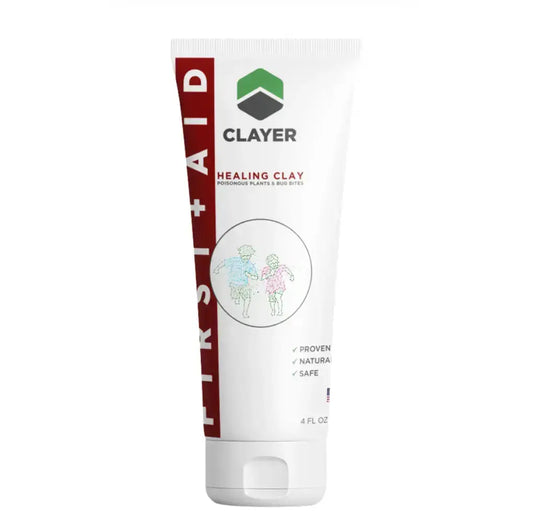
French green clay has been used for centuries, but modern science backs up why it works. When applied to a sprain, it draws out toxins, reduces swelling, and delivers natural minerals directly to damaged tissue. Studies show that clay's unique composition helps reduce inflammation and support tissue repair at the cellular level.
Here's how to use it practically:
For acute sprains (first 72 hours):
- Apply a thin layer of Active+ Healing Clay directly to the injured area
- Leave on for 15–20 minutes
- Rinse and repeat 2–3 times daily
- The clay absorbs excess fluid and calms the inflammatory response fast
For ongoing recovery (week 2+):
- Use clay before and after rehab sessions
- Apply after ice or heat therapy for enhanced absorption
- Target stubborn swelling that won't go away with compression alone
The best part? It's 100% natural, non-toxic, and certified doping-free. No chemicals, no side effects, no questions from athletic commissions. Just proven healing that's been recommended by sports doctors and trusted by pro athletes across every sport.
Advanced Techniques That Actually Work
If you want to stack your recovery even higher, add these evidence-backed methods:
Soft Tissue Mobilization – Breaks up adhesions (scar tissue) and improves blood flow to clear metabolic waste. This lets you train more frequently without fatigue building up.
Dry Needling – Clinical studies show athletes gain better range of motion, less pain, and improved function compared to exercise alone. It's not acupuncture: it's targeted trigger point release.
Electrical Stimulation Therapy – 15–30 minute sessions boost blood flow and reduce muscle stiffness after workouts. Great for keeping tissues loose during active recovery phases.
Aquatic Therapy – Low-impact rehab in water takes pressure off injured joints while allowing full range of motion. Perfect for lower extremity sprains.
Kinesiology Taping – Provides support without limiting movement. Use it during rehab sessions to reinforce proper mechanics.
You don't need all of these: pick 2–3 that fit your access and budget, and use them consistently.

Fuel the Healing Process
Your body can't rebuild damaged tissue without the raw materials. That means:
- Lean protein at every meal to repair muscle and connective tissue
- Healthy fats (omega-3s especially) to control inflammation
- Complex carbohydrates for energy during rehab
- Hydration to keep tissues functioning properly
And don't skip sleep. Your body does most of its healing while you're asleep: shortchanging rest is like trying to build a house with half the materials.
The Return-to-Play Strategy
Here's the part where impatience kills progress: rushing back too soon.
Before you return to full competition, you must pass functional tests that check:
- Strength (injured side matches uninjured side)
- Agility (cutting, pivoting, jumping without compensation)
- Balance (single-leg stability)
- Sport-specific movements (exact actions your sport demands)
Movement quality matters as much as strength. If your mechanics are off, you're just setting yourself up for re-injury: or worse, a new injury somewhere else as your body compensates.
Let your body guide the pace. Some sprains heal in 2 weeks. Others take 6. Elite athletes recover faster partly because they're in better condition before the injury and they're more motivated to stick to the plan. But even they don't skip steps.
The Bottom Line
Fast-tracking injury healing isn't about shortcuts: it's about doing the right things, in the right order, consistently.
Get professional assessment immediately. Start active rehab early. Stack proven recovery methods like French green clay, soft tissue work, and therapeutic exercise. Fuel your body properly. Progress through functional testing. And don't rush the final step.
Do this, and you'll be back on the field, court, or mat weeks ahead of schedule: without the chronic issues that come from half-assed recovery.
Ready to accelerate your comeback? Check out Clayer's Active Recovery collection for doctor-recommended, scientifically-proven natural healing clay that athletes trust to get back in the game faster.
Your competition isn't waiting. Why should you?