First-Aid Fix: Healing Clay for Burns, Bruises, and Minor Cuts
Ever wonder what people did before pharmacy aisles were stocked with chemical-laden ointments? They turned to the earth. And honestly, they were onto something.
If you're tired of stinging antiseptics that make you wince or questionable ingredients you can't pronounce, it's time to get back to basics. Healing clay for burns, bruises, and cuts isn't some trendy wellness fad: it's an ancestral remedy that's been used for thousands of years. And science is finally catching up to prove what healers have known all along.
Let's talk about why your first-aid kit needs a serious upgrade.
What Makes Healing Clay So Effective?
Healing clay: especially French green clay: is packed with minerals like silica, magnesium, calcium, and iron. But here's what really matters: it has antibacterial, anti-inflammatory, and detoxifying properties that work together to support your body's natural healing process.
Think of it like this: when you get a minor injury, your skin needs three things: to stay clean, to reduce swelling, and to regenerate healthy tissue. Healing clay does all three without the harsh chemicals found in conventional products.
Clinical studies demonstrate that French green clay reduces inflammation significantly faster than leaving minor injuries untreated. That's not marketing speak: that's science backing up what traditional medicine has practiced for centuries.

Healing Clay for Burns: Cool Relief Without the Sting
Minor burns are the worst. Whether you grabbed a hot pan, got too much sun, or had a run-in with your curling iron, the immediate pain can be intense. Here's where healing clay for burn treatment becomes your new best friend.
When you apply a thin layer of healing clay paste to a minor burn, several things happen:
- Immediate cooling effect that draws heat away from the skin
- Pain reduction as minerals soothe inflamed tissue
- Prevention of blistering when applied quickly
- Promotion of faster healing by keeping the area clean and protected
The key is keeping the clay moist. Wrap the area in plastic wrap or cover with a damp cloth rather than letting it dry completely. This maintains the therapeutic moisture level your skin needs to heal properly.
Unlike chemical burn creams that can sting on contact, healing clay is gentle and calming. No tears, no second guessing: just natural relief.
Important: For severe burns, always seek professional medical attention. Healing clay works wonders for minor first and second-degree burns, but serious injuries need a doctor's care.
Healing Clay for Bruises: Faster Recovery, Less Discoloration
Got knocked around during your weekend game? Took a tumble on your bike? Healing clay for bruises is about to change how you deal with those purple badges of honor.
Here's what happens when you bruise: blood vessels break under your skin, causing inflammation and that lovely rainbow of colors. Your body needs to reabsorb that leaked blood and repair damaged tissue.
Healing clay accelerates this process by:
- Drawing out excess fluid and toxins from the injured area
- Reducing swelling through powerful anti-inflammatory minerals
- Improving circulation to the affected tissue
- Minimizing discoloration when applied early
Create a thick poultice and apply it directly to the bruise. Wrap with a clean cloth and leave it in place for several hours: or even overnight if you're dealing with a gnarly one. Elevate the area if possible to enhance the treatment's effectiveness.
Pro athletes have been using this method for decades. Why? Because it works. And when your livelihood depends on fast recovery, you don't mess around with products that don't deliver.
Healing Clay for Cuts: Nature's Antiseptic
Scraped knees, minor cuts, small abrasions: they're part of an active life. But healing clay for cuts takes wound care to another level.
The clay works by drawing out dirt, bacteria, and grime from wounds. This is especially valuable for cuts that happened outdoors or in less-than-sterile environments. Kids playing at the park, athletes training on dirt tracks, workers on construction sites: you need something that actually cleans the wound, not just covers it up.
The antibacterial properties of healing clay help prevent infection while soothing minerals promote faster healing. The clay calms pain and encourages better wound closure, leading to cleaner healing with less scarring.
How would you feel if you could treat minor cuts without the sting of hydrogen peroxide or the worry about toxic ingredients? Pretty empowering, right?

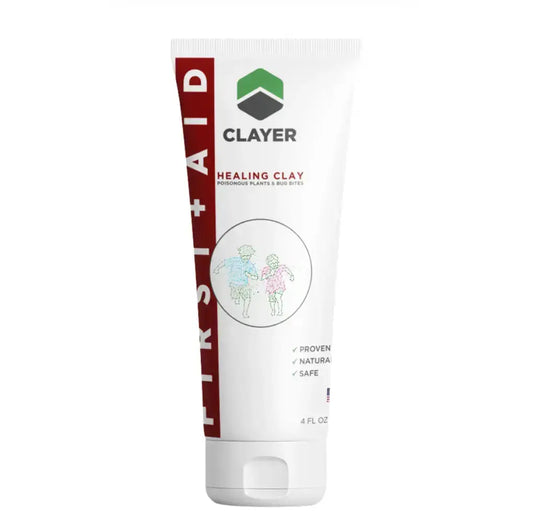
Why CLAYER First Aid Healing Clay is Your Best Choice
Not all healing clays are created equal. Here's the uncomfortable truth: some clay products contain lead and other heavy metals that you definitely don't want on your skin. Studies have shown concerning contamination levels in uncertified products.
This is where CLAYER First Aid stands apart:
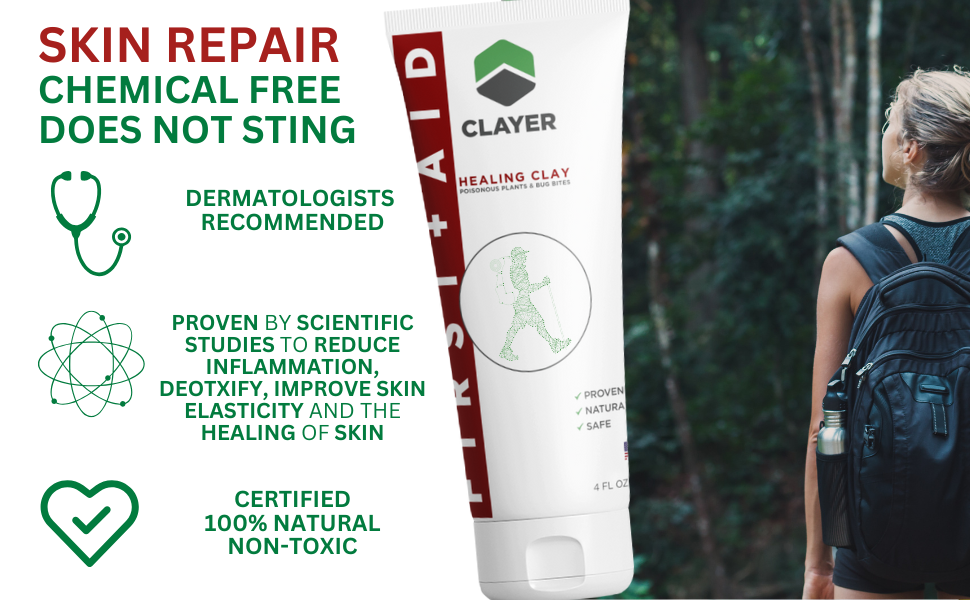
✓ Certified 100% natural and non-toxic
✓ Dermatologist recommended
✓ Chemical-free formula
✓ Does not sting on application
✓ Scientifically proven to reduce inflammation
✓ Tested for purity and safety
Professional athletes and sports doctors trust CLAYER because it delivers consistent results without the risks associated with contaminated or synthetic products.
You deserve products that are as clean as they are effective. No compromises.
How to Apply Healing Clay for First Aid
Ready to add this to your routine? Here's your straightforward guide:
For Burns:
- Cool the burn with lukewarm water first
- Mix 1-2 tablespoons of CLAYER healing clay with water to create a creamy paste
- Apply a thin layer directly to the burn
- Cover with plastic wrap or damp cloth to keep moist
- Leave on for several hours or until the burning sensation returns
- Rinse gently and reapply as needed
For Bruises:
- Create a thicker paste consistency
- Apply generously to the bruised area
- Wrap with a clean cloth
- Elevate the affected area
- Leave on for several hours or overnight
- Rinse and repeat daily until healing
For Cuts and Scrapes:
- Clean the wound with water
- Apply clay paste directly to the cut
- Cover with gauze if needed
- Leave on for 2-4 hours
- Rinse and reapply 2-3 times daily
Pro tip: Use non-metal mixing bowls and utensils. Wood, ceramic, or plastic work perfectly. Metal can interfere with the clay's electrical properties.
Real People, Real Results
The proof isn't just in clinical studies: it's in the experiences of people just like you who've made the switch to natural first aid.
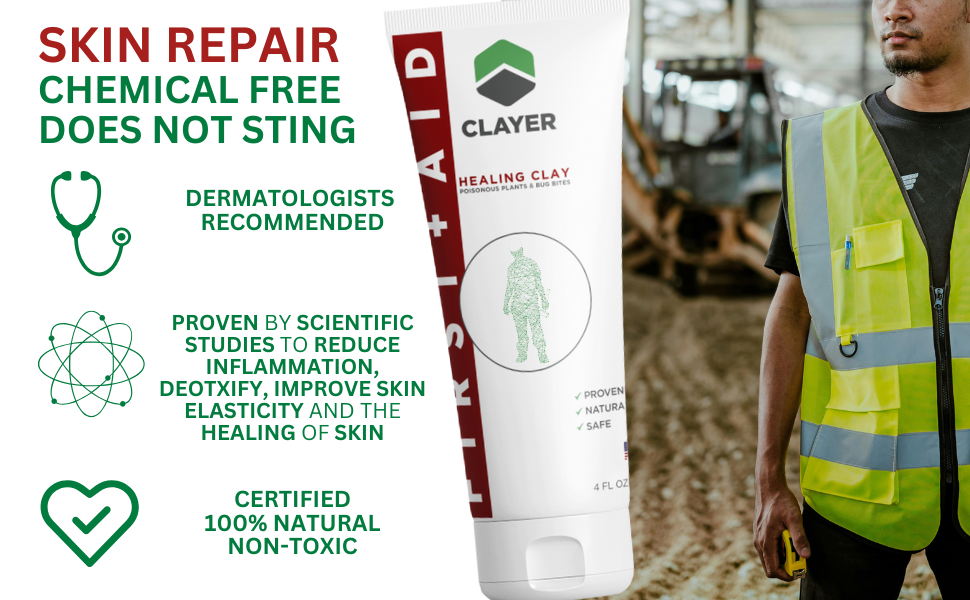
Parents love how it doesn't sting when applied to their kids' scraped knees. Athletes appreciate the faster recovery times that get them back in the game. Outdoor enthusiasts rely on it for trail mishaps. Workers in demanding jobs keep it in their toolboxes for those inevitable bumps and cuts.
5-star ratings consistently highlight: effectiveness, non-stinging relief, clean ingredients, and visible results.
When something works this well, word spreads fast.
Take Control of Your First Aid
Your body is built to heal itself. Sometimes it just needs the right support: not harsh chemicals that interfere with natural processes, but pure minerals that work with your biology.
First-aid fix with healing clay isn't about replacing modern medicine. It's about having a safe, effective option for those everyday injuries that don't require a trip to urgent care but deserve proper treatment.
Prioritize your health and well-being. Choose products that are certified safe, scientifically proven, and trusted by professionals. Your skin: and your peace of mind: will thank you.
Ready to upgrade your first-aid game? Check out CLAYER First Aid Healing Clay and experience the difference natural, pure ingredients make. Also available on Amazon for your convenience.
Because when life throws you bumps, burns, and bruises, you should have something you can trust to help you bounce back: naturally.
What about you? Are you ready to ditch the chemical sting and embrace nature's most powerful first-aid remedy?