
Leg strain recovery tips
Leg strain recovery tips are the difference between a minor setback and a season-ending injury. Whether you are a marathon runner, a weekend warrior, or a professional athlete, a strained muscle in your calf, hamstring, or quad can halt your progress instantly. How would you feel if you could recover faster from an injury and get back to the training you love without the long wait?
You are built to step out of your comfort zone, but pushing through a sharp pain is not the answer. To maintain peak performance, you need a recovery protocol that doesn't just mask the pain with chemicals but actually supports the body’s natural healing process.
At CLAYER, we believe in providing athletes with the most effective, natural, safe, and proven tools for sports recovery. While many turn to chemical-laden gels, the secret to longevity in sports lies in ancestral wisdom backed by modern science.
Why traditional recovery gels fall short
Many athletes reach for products like Biofreeze at the first sign of a leg strain. However, if you are looking for a healthy alternative to Biofreeze, it is important to understand how these products work. Most topical analgesics use menthol to create a cooling sensation that "distracts" the brain from the pain. This is masking the problem, not solving it.
Furthermore, some athletes unknowingly use uncertified clays or mineral pastes that may contain high lead levels, which can be detrimental to long-term health. According to research published in PMC, non-certified healing clays can pose risks. This is why choosing a certified non-toxic and doping-free solution like CLAYER is non-negotiable for serious competitors.
Leg strain recovery tips: Phase 1 : Immediate action
The first 48 hours are critical. Inflammation is the body's first response to tissue damage, but excessive swelling can slow down the repair process.
- Stop immediately: Do not "run it off." A minor strain can become a full tear if pushed.
- Apply CLAYER Active+ Recovery: Instead of just ice, which can sometimes restrict blood flow too much, apply a layer of CLAYER Active+ Healing Clay. Our French green clay is scientifically proven to reduce inflammation and promote tissue healing by drawing out toxins and providing essential minerals to the site of the injury.
- Compression and Elevation: Keep the affected leg elevated above your heart to assist with lymphatic drainage.
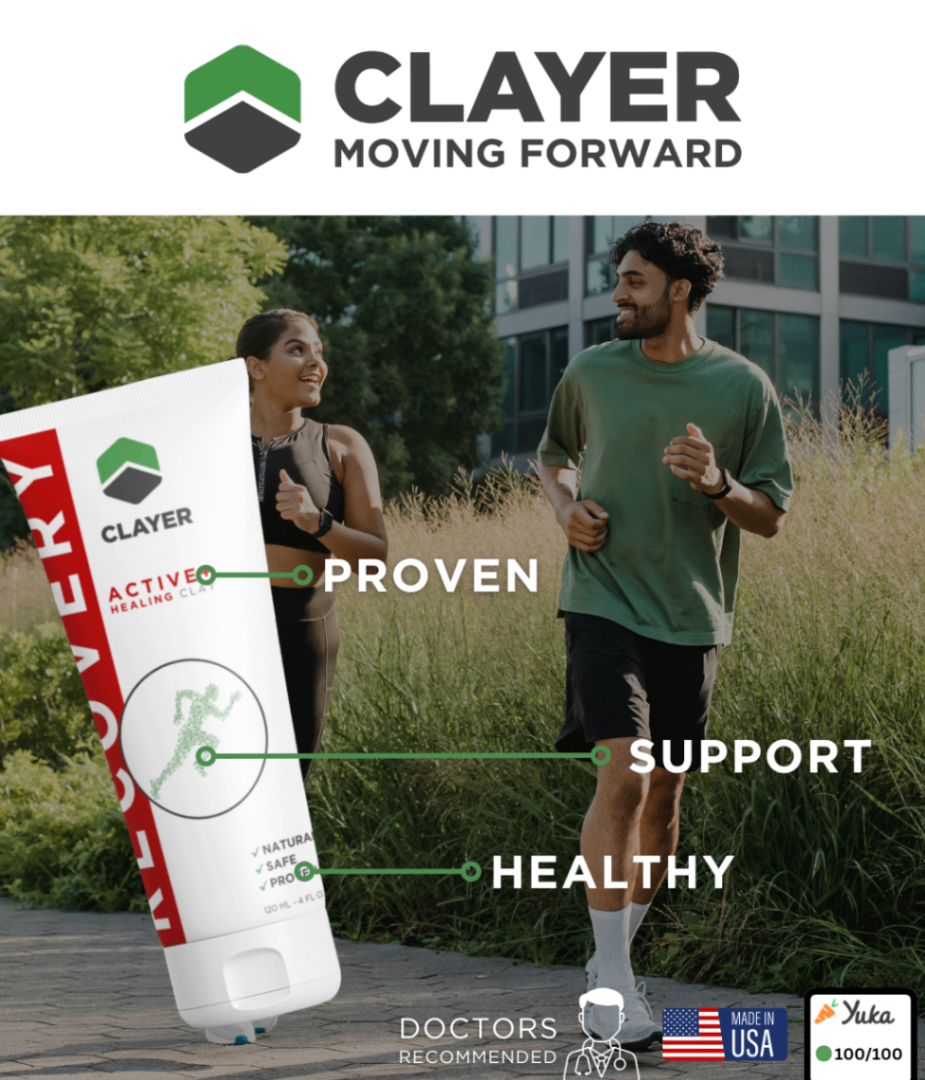
Title: Athlete Leg Recovery Training
Alt: Two athletes jogging outdoors focusing on leg strain recovery tips
Description: Professional athletes utilizing natural recovery methods to stay in the game and maintain peak performance.
The science of French Green Clay in sports recovery
Why is green clay superior to synthetic alternatives? CLAYER uses a specific composition of minerals found in French Earth that has been used for centuries. Recent studies, including those highlighted by the National Science Foundation, show how specific clays can interact with biological systems to support healing.
Our clay is 100% natural, non-toxic, and doctor-recommended. It doesn't just sit on the skin; it works to balance the pH and encourage the cellular regeneration required to fix a strained muscle. When you choose CLAYER, you are choosing a science-backed recovery used by champions.
SHOP THE SOLUTION
| Feature | CLAYER Active+ | Biofreeze |
|---|---|---|
| Ingredients | 100% Natural French Green Clay | Synthetic Chemicals and Menthol |
| Healing | Promotes tissue repair and detox | Masks pain temporarily |
| Safety | Certified Non-Toxic and Doping-Free | Contains artificial dyes and scents |
| Performance | Used by Pro Athletes | General retail standard |
GET THE 2+1 FREE BUNDLE NOW – RECOVER LIKE A PRO
Leg strain recovery tips: Phase 2 : Stretching and Mobility
Once the acute pain has subsided (usually after 48-72 hours of consistent clay application), you can begin gentle mobility work. Leg strain recovery tips always involve restoring the muscle's length without causing further micro-tears.
Seated Calf Stretch
Sit on the floor with your legs extended. Loop a towel around the ball of your foot and gently pull back toward your body. Hold for 15-30 seconds. This foundational move restores flexibility to the lower leg muscles safely.
Wall Stretches
Stand facing a wall with your affected leg one step behind the other. Keep your back heel on the floor and lean into the wall until you feel a pull in the calf and Achilles. This is excellent for athletes who experience tightness from sprinting or jumping.
Lunging Calf Stretches
Use your body weight to deepen the stretch. Stand arm's length from a wall, step back with the injured leg, and lunge forward on the front knee. Ensure your back foot stays flat to maximize the stretch in the gastrocnemius.

Title: Stronger Come Back with Clayer
Alt: Athlete training with battle ropes representing leg strain recovery tips
Description: Maintaining strength and explosive power through dedicated recovery and natural healing clay.
Leg strain recovery tips: Phase 3 : Strengthening
You cannot return to full training until the muscle is strong enough to handle the load. Transition from stretching to these targeted exercises:
- Heel Raises: Stand upright and slowly rise onto your tiptoes. Lower back down with control. Aim for 3 sets of 15 repetitions.
- Straight Leg Raises: Lie on your back and lift the straight leg about 6 inches off the ground. Hold for 5 seconds and lower. This builds endurance in the quads and hip flexors without stressing the knee joint.
- Ankle Alphabet: Sit and "write" the alphabet in the air with your big toe. This improves the range of motion and engages the smaller stabilizing muscles in the lower leg.
Why Pro Athletes and Doctors Trust CLAYER
We don't just make claims; we provide results. CLAYER is the #1 ranked recovery clay because it is trusted by professional athletes across the globe. From hockey players to mountain bikers, the consensus is clear: Get your power back with a product that respects your body’s biology.
Check out our Athlete Endorsements and see why top-tier performers have ditched chemical sprays for our healing clay.
Prioritize your health and well-being! You wouldn't put low-grade fuel in a high-performance engine. Don't put low-grade chemicals on your muscles.
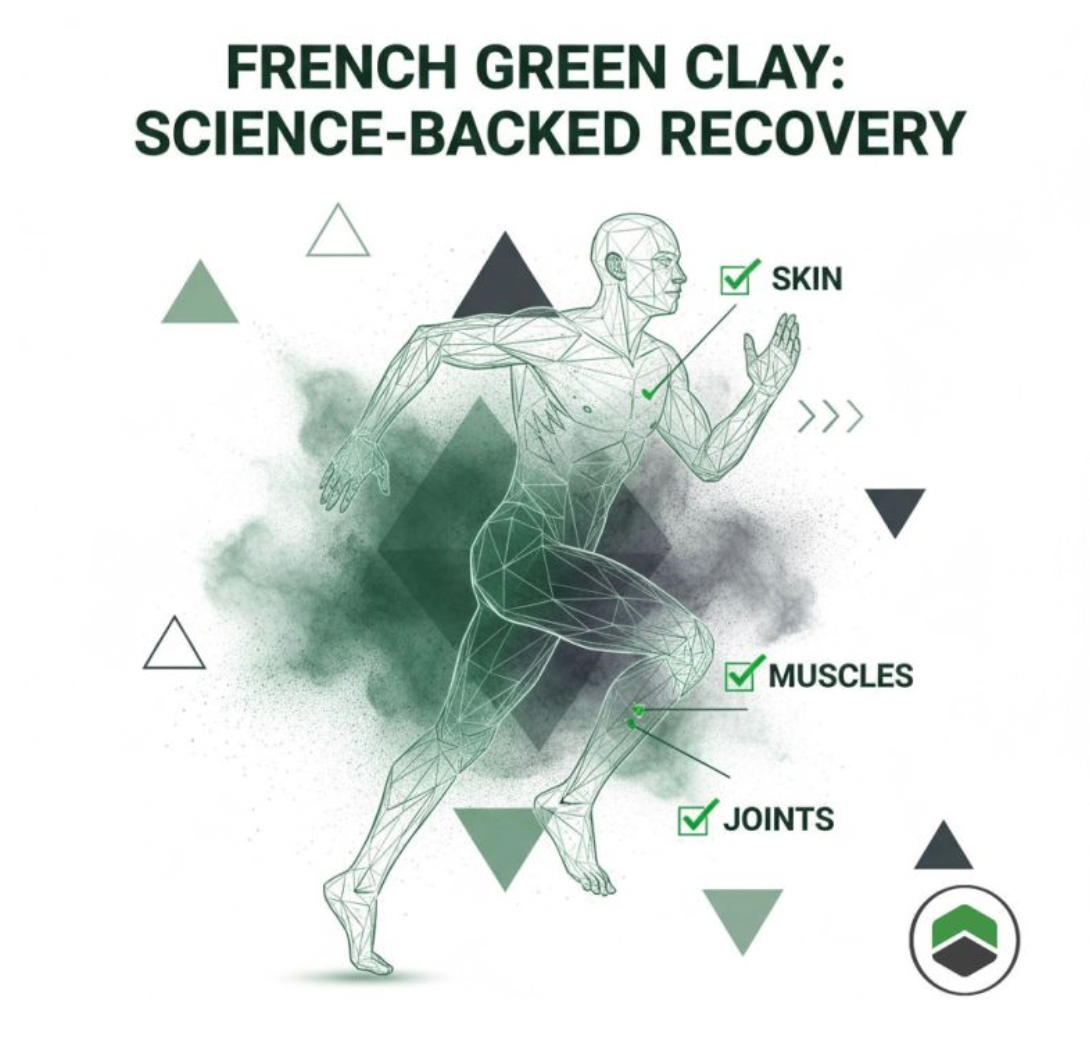
Title: French Green Clay Science
Alt: Digital wireframe of an athlete showing leg strain recovery tips targets
Description: Targeted recovery for skin, muscles, and joints using the power of French Green Clay.
Leg strain recovery tips: The "2+1 Free" Advantage
Recovery is a process, not a one-time event. To ensure you have enough supply to get through your rehab and into your maintenance phase, we offer a BUY 2, GET 1 FREE bundle on our most popular recovery products.
STAY READY SO YOU DON'T HAVE TO GET READY.
By keeping CLAYER in your gym bag, you can apply it immediately after a hard session to prevent a minor strain from ever happening. It is the ultimate insurance policy for your athletic career.
SHOP NOW: CLAIM YOUR FREE TUBE OF CLAYER RECOVERY
Get our Free Guide on Safe Clay Use + 10% off your first order
Want to dive deeper into the world of natural recovery? We have put together a comprehensive guide on how to use French Green Clay for various injuries, from leg strains to joint inflammation. Join our community of elite athletes today.
SIGN UP HERE FOR YOUR FREE GUIDE AND 10% DISCOUNT
Key Takeaways for Leg Strain Recovery:
- Apply CLAYER immediately to reduce inflammation naturally.
- Avoid synthetic chemicals like Biofreeze that only mask symptoms.
- Progress slowly from gentle stretches to weighted strengthening.
- Stay consistent with your recovery routine to prevent re-injury.
CHAMPIONS ARE MADE IN RECOVERY. What about you? Are you ready to stop the pain and start the healing?
BROWSE THE FULL CLAYER COLLECTION
Legal Disclaimer: These statements have not been evaluated by the Food and Drug Administration. This product is not intended to diagnose, treat, cure, or prevent any disease. Always consult with a healthcare professional or sports doctor before beginning a new exercise or recovery regimen.
References:
- Chemical and mineralogical characteristics of French Green Clays: Cambridge University Press
- Clay and antibacterial properties: National Science Foundation
- Lead levels in non-certified clays: PubMed Central


