
Mat Burn on Face: Fast Healing Tips for Athletes
Mat burn on face injuries might be less common than mat burn on other body parts, but when they happen during wrestling, BJJ, or martial arts training, they demand immediate attention. Your face is sensitive, visible, and vulnerable to infection: making proper treatment essential for fast, safe healing.
Let's dive into exactly what you need to know to treat and heal facial mat burns quickly so you can get back to training with confidence.
What Causes Mat Burn on Face?
Mat burn on face occurs when your skin slides or rubs against training mats during takedowns, falls, or grappling sessions. The friction creates an abrasion that damages the outer layers of your skin, leaving you with a painful, raw wound.
Common scenarios that cause facial mat burns:
- Failed takedown attempts where your face contacts the mat
- Being thrown or swept during sparring
- Slipping during transitions or scrambles
- Poor mat hygiene that increases skin irritation
- Inadequate protective technique during ground work
The face is particularly vulnerable because the skin is thinner and more delicate than other areas of your body. Plus, facial mat burns heal more slowly due to constant movement from talking, eating, and facial expressions.
Immediate Treatment for Mat Burn on Face
The first 15 minutes matter. How you treat your facial mat burn immediately after injury significantly impacts healing time and scarring risk.

Step 1: Rinse with Cold Water
Get to a sink or water source immediately. Rinse the affected area with cool, clean water for several minutes to remove debris, bacteria, and reduce heat damage. This initial flush is critical: mat surfaces harbor bacteria, sweat, and contaminants that can lead to infection.
Gently pat the area dry with a clean towel. Never rub or scrub burned skin. You'll only cause more tissue damage and increase pain.
Step 2: Disinfect Thoroughly
Clean the wound with sterile saline solution or clean water, working from the outside edges toward the center. This technique prevents pushing bacteria into the wound.
After cleaning, apply a thin layer of antibiotic ointment like Neosporin or Bacitracin. These products create a protective barrier against infection while keeping the wound moist for optimal healing.
Step 3: Cover and Protect
Use a liquid bandage or sterile dressing to protect your facial mat burn. This is especially important on the face where the wound is constantly exposed to touch, air contaminants, and accidental contact.
Pro tip: If the burn is on your cheek or forehead, liquid bandages work better than traditional adhesive bandages that might not conform to facial contours.
Accelerated Healing Strategies for Mat Burn on Face
Minor facial mat burns typically heal within 1-2 weeks, while severe burns may take 2-4 weeks with proper care. But you can speed up this timeline with the right approach.
Use Natural Healing Clay
This is where champions get an edge. Natural healing clays like French Green Clay have been scientifically proven to reduce inflammation, fight bacteria, and accelerate tissue repair: exactly what your facial mat burn needs.
CLAYER Active+ Healing Clay is specifically formulated for athletes dealing with skin injuries and abrasions. It's doctor-recommended, certified 100% natural and non-toxic, and completely doping-free.
Why clay works for mat burn on face:
- Draws out toxins and bacteria from the wound
- Reduces inflammation naturally
- Promotes faster cell regeneration
- Creates an antimicrobial barrier
- Won't sting or irritate sensitive facial skin
Apply a thin layer to clean, dry skin and let it absorb. Many athletes report visible improvement within the first 24 hours.
Salt Water Soaks Work Wonders
Mix salt into warm water and gently soak a clean cloth, then apply it to your facial mat burn for 5-10 minutes twice daily. Salt water is a natural disinfectant that accelerates healing significantly: it's an ancestral remedy backed by modern science.
Keep the Wound Moist (But Not Wet)
Contrary to the old "let it breathe and scab over" advice, modern wound care science shows that keeping mat burns slightly moist promotes faster healing and reduces scarring.
Use burn creams, aloe vera gel, or natural healing ointments in thin layers. Reapply 2-3 times daily, especially after washing your face.
Avoid petroleum-based products on your face: they can clog pores and cause breakouts around the healing area.
Manage Pain and Inflammation
Take over-the-counter pain relievers like ibuprofen to reduce discomfort and inflammation. This not only makes you more comfortable but also supports your body's healing process.
Never apply pressure to the wounded area. Sleep on the opposite side if your mat burn is on your cheek.

Training Considerations: Should You Sit Out?
Be honest with yourself. Training with a facial mat burn risks:
- Opening the wound and extending healing time
- Infecting yourself further from mat bacteria
- Spreading infection to training partners
- Creating permanent scarring from repeated trauma
If your mat burn on face is painful, oozing, or in the inflammatory stage, take time off. Your training partners will appreciate it, and your face will thank you.
If you absolutely must train with a healing facial mat burn:
- Cover it completely with a sterile, secure dressing
- Apply healing clay beforehand to accelerate recovery
- Avoid sparring or situations where your face might contact the mat
- Shower immediately after training and reapply treatment
Most coaches and training partners will respect your decision to sit out while healing. Champions know that smart recovery prevents long-term setbacks.
When to Seek Medical Attention
Most mat burn on face injuries heal with proper home care, but some situations require professional medical evaluation.
See a doctor if you experience:
- Signs of infection (increased redness, swelling, warmth, pus, or red streaks)
- Fever or chills developing after the injury
- Severe pain that doesn't improve with over-the-counter medication
- Burns covering a large area of your face
- Deep wounds that might require stitches
- No improvement after one week of proper treatment
Don't mess around with facial infections. They can spread quickly and lead to serious complications, including cellulitis or scarring.
Prevention: Stop Mat Burn on Face Before It Happens
The best treatment is prevention. Here's how to minimize your risk:
Master Proper Technique
Work with experienced coaches on safe falling and breakfall techniques. Proper form protects your face during takedowns and throws.
Prioritize Mat Hygiene
Train at facilities that clean mats regularly with proper disinfectants. If your gym's mat hygiene is questionable, consider training elsewhere: your health is worth it.
Shower before and after every training session. This removes bacteria from your skin and reduces infection risk if you do sustain a mat burn.
Build Body Awareness
Develop better spatial awareness during drilling and sparring. Many facial mat burns happen because athletes lose track of their position relative to the mat surface.
Keep Your Skin Healthy
Moisturized, healthy skin is more resistant to friction injuries. Use natural, non-comedogenic moisturizers on your face daily.
Athletes who use CLAYER Body Wash report healthier, more resilient skin that stands up better to the demands of contact sports.
Your Fast Recovery Action Plan
Mat burn on face doesn't have to sideline you for weeks. Follow this proven protocol:
Immediately after injury:
- Rinse with cold water for 3-5 minutes
- Pat dry gently
- Apply antibiotic ointment
- Cover with sterile dressing
For the next 1-2 weeks:
- Clean twice daily with mild soap and water
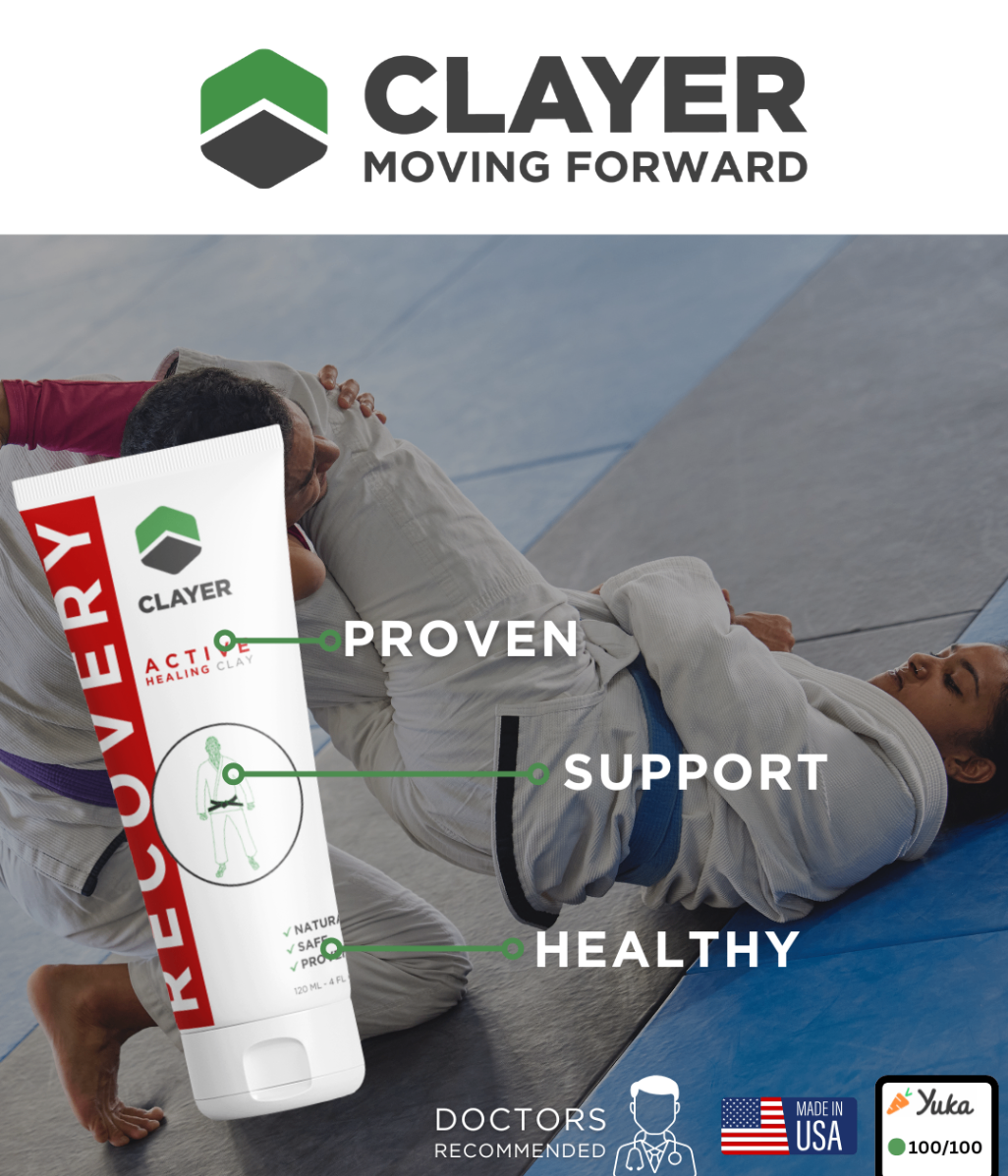
- Apply CLAYER Active+ Healing Clay to accelerate healing
- Keep the wound moist with natural healing ointments
- Take OTC pain relievers as needed
- Avoid training until significantly healed
- Monitor for signs of infection
You are built for resilience. Your body knows how to heal: give it the right tools and environment, and you'll be back on the mats faster than you think.
Want to recover like the pros? Check out what champion athletes are using to heal faster and stronger. Your face deserves the best care possible.
GUARANTEED OR YOUR MONEY BACK. CLAYER products are certified non-toxic, doctor-recommended, and proven to work. Join thousands of athletes who trust natural healing for their toughest injuries.


