
Mat Burn on Foot: Recovery and Prevention Guide for Grapplers (BJJ, Wrestling, MMA)
If you've ever finished a hard rolling session only to look down and see your feet looking like they've been through a cheese grater, you know exactly what mat burn on foot feels like. That raw, stinging sensation is practically a rite of passage in grappling sports, but it doesn't have to sideline your training or leave you dealing with infections.
Whether you're a BJJ practitioner, wrestler, or judoka, mat burn on foot is one of those annoying injuries that comes with the territory. The good news? You can treat it naturally, recover faster, and take smart steps to prevent it from happening again.
What Exactly Is Mat Burn on Foot?
Mat burn on foot is essentially a friction burn that happens when your skin repeatedly rubs against the mat surface during training. When you're scrambling for position, executing takedowns, or defending submissions, your feet are constantly dragging, pivoting, and sliding across the mat. All that friction generates heat and literally scrapes away the top layers of your skin.
The result? Raw, red patches that can range from mild irritation to open wounds. Your feet might feel tender, look shiny or moist, and sting like crazy when you step into the shower. The tops of your toes, the balls of your feet, and your heels are the most common victims.
Here's the thing: Mat burn isn't just painful, it's also a potential gateway for bacteria. Open wounds on your feet can become infected, especially in a training environment where you're in close contact with other grapplers and shared mats. Staph infections, MRSA, and other nasty skin conditions can take root if you don't handle mat burn properly.

Immediate Treatment: What to Do Right After Training
The moment you notice mat burn on foot, take action. Don't wait until you get home or "see how it feels tomorrow." Here's your post-training protocol:
Step 1: Clean the Area Thoroughly
Rinse your feet with cool water, not hot, which can irritate the damaged skin even more. Use a mild, gentle soap to clean around the mat burn. Pat (don't rub) the area dry with a clean towel.
Step 2: Apply Natural Healing Clay
This is where most grapplers make a mistake. They reach for petroleum jelly, antibiotic creams, or products loaded with chemicals that can actually slow down healing or cause allergic reactions.
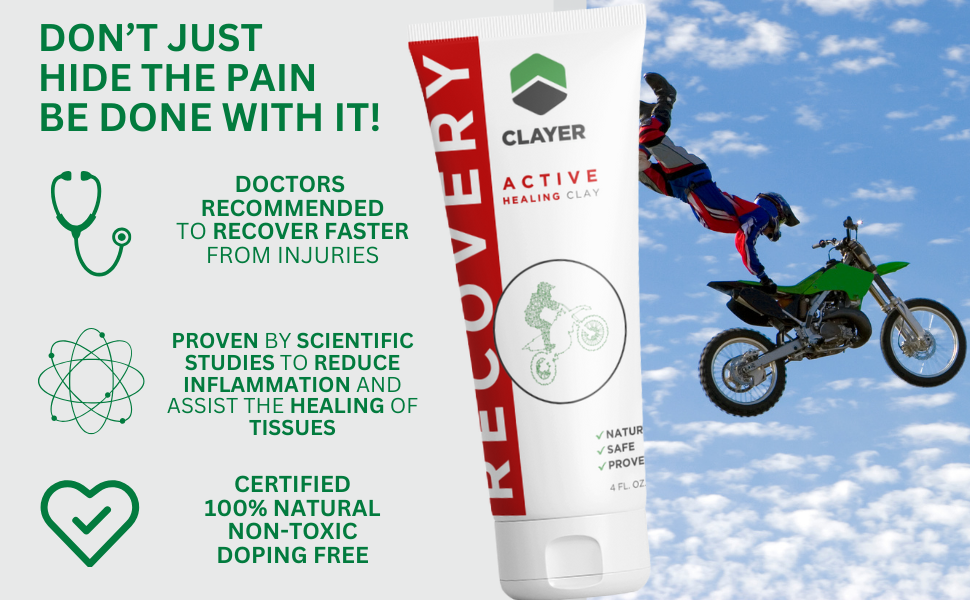
Instead, consider using French green clay, a natural, non-toxic option that's been proven to support skin repair and fight bacteria. CLAYER's healing clay is doctor-recommended and scientifically proven to reduce inflammation while promoting tissue regeneration. It's made from 100% natural ingredients with ZERO additives, which means you're not putting questionable chemicals on an open wound.
Apply a thin layer of healing clay directly to the mat burn on foot, covering the entire affected area. The clay draws out impurities, reduces inflammation, and creates an optimal environment for your skin to heal naturally.
Step 3: Protect the Wound
Once you've applied clay or another protective barrier, you can use breathable bandages or medical tape to cover the area, especially if you're planning to wear shoes or continue training. Some grapplers prefer liquid bandage products that create a protective seal without the bulk of traditional bandages.
The Recovery Phase: Getting Back on the Mat
Most mat burn on foot injuries will start healing within 2-3 days if you treat them properly. Here's how to support that recovery:
Keep It Clean and Dry
Bacteria love warm, moist environments. Change your socks regularly, air out your feet when you're at home, and avoid wearing tight shoes that trap moisture against your healing skin.
Reapply Healing Clay Daily
For the first few days, wash the area gently and reapply natural healing clay once or twice daily. The minerals in French green clay, including silica, magnesium, and calcium, actively support your body's natural healing processes.
Why certified non-toxic clay matters: Many commercial clays on the market contain concerning levels of lead and other heavy metals. Research shows that some healing clays have dangerous contamination levels. CLAYER products are certified 100% natural, non-toxic, and doping-free, which is crucial when you're applying something directly to an open wound.
Know When to Rest
Most grapplers can continue training with minor mat burn on foot, as long as it's properly covered and not showing signs of infection. However, you need to take a rest period if:
- The area is extremely painful or prevents normal movement
- You see signs of infection (increased redness, swelling, pus, red streaks)
- The wound could potentially transmit bacteria to training partners
- Your coach or training partners express concern
Your training partners' health matters just as much as yours. If your mat burn is weeping or looks infected, stay off the mat until it's properly healed. No amount of training is worth spreading staph or MRSA through your gym.

Prevention Strategies That Actually Work
Here's the truth: You can't completely eliminate mat burn on foot if you're training hard. But you can significantly reduce the frequency and severity with these proven prevention methods:
1. Invest in Proper Grappling Socks
Grappling socks are your best defense. Look for specialized socks designed for wrestling or BJJ that offer:
- Reinforced areas on high-friction zones
- Grip patterns on the soles to prevent slipping
- Breathable, moisture-wicking fabric
- Some designs feature open toes and heels for better mat feel while still protecting vulnerable areas
Yes, some grapplers will give you grief about wearing socks during training. Ignore them. Your foot health and recovery are more important than looking "tough." Plus, more and more high-level competitors are embracing protective gear as smart training, not weakness.
2. Master the Art of Taping
Pre-taping your feet before hard sessions adds a protective barrier between your skin and the mat. Use water-resistant athletic tape or specialized grappling tape, and make sure you:
- Anchor the tape properly so it doesn't bunch or slide
- Cover vulnerable areas like toes, the ball of your foot, and heels
- Don't wrap so tight that you cut off circulation
- Replace tape mid-session if it starts to peel or roll
Some grapplers use a combination of pre-taping plus grappling socks for maximum protection during competition prep or intensive training camps.
3. Choose Your Training Gear Wisely
Training in a gi provides significantly more foot protection than no-gi rolling. The gi pants cover your feet and lower legs, reducing direct skin-to-mat contact during scrambles.
During no-gi sessions, consider wearing:
- Long spats or compression pants
- Ankle guards
- Full-length rashguards (even though these obviously don't cover feet, they reduce overall skin exposure)
The more covered you are, the less mat burn on foot you'll experience: simple physics.
4. Mat Hygiene Matters More Than You Think
Even the best gear won't save you if you're training on dirty mats. Friction against contaminated surfaces doesn't just cause mat burn: it introduces bacteria directly into those fresh wounds.
Push your gym to maintain strict mat cleaning protocols:
- Mats should be cleaned with proper disinfectant between classes
- Encourage all training partners to shower before training
- Nobody trains with open wounds without proper coverage
- Remove shoes before stepping on mats
If your gym's mat hygiene is questionable, consider training at a different facility. Your health isn't negotiable.
5. Smart Training Intensity Management
Mat burn on foot is especially common after hard sparring sessions, competitions, or when you're scrambling against tough opponents. There's a direct correlation between training intensity and friction burn.
This doesn't mean you should never go hard: but it does mean you should be strategic:
- Warm up properly before intense rolling
- Focus on technique over scrambling when you're learning
- Save the hardest rounds for when you've got proper protective gear
- Take recovery days seriously so your skin has time to rebuild
Long-Term Foot Care for Grapplers
Beyond treating and preventing mat burn on foot, smart grapplers invest in overall foot health:
Moisturize regularly (when you don't have active mat burn) to keep skin supple and less prone to tearing. Keep toenails trimmed to reduce accidental scratching during rolls. Strengthen your feet with exercises that improve balance and mobility: healthier feet are more resilient feet.
And remember: Recovery is just as important as training. Your body needs quality nutrition, adequate sleep, and natural support to repair damaged tissue and come back stronger.

The Bottom Line on Mat Burn on Foot
Mat burn on foot is part of the grappling life: but it doesn't have to slow you down. Clean wounds immediately, support healing with natural clay-based treatments, and take smart prevention measures like wearing grappling socks and maintaining good mat hygiene.
You've got training goals to hit. Don't let preventable injuries keep you off the mat longer than necessary. Treat your body right, use certified non-toxic recovery products, and protect your feet so you can keep showing up day after day.
Ready to take your recovery seriously? Check out CLAYER's natural first-aid solutions: formulated specifically for athletes who refuse to put toxic chemicals on their skin. Doctor recommended. Scientifically proven. GUARANTEED or your money back.
Your feet carry you through every roll, every scramble, every competition. Take care of them, and they'll take care of you.


