
Stress Fracture Recovery Steps: How French Green Clay Supports Bone Healing
Understanding Stress Fractures and Your Recovery Journey
How would you feel if you could support your bone healing naturally while reducing recovery time? Stress fractures are one of the most frustrating injuries for athletes and active individuals. These tiny cracks in your bones develop from repetitive force and overuse, and they demand your full attention for proper healing.
The good news? You have more control over your recovery than you might think. While most stress fractures heal within 6-12 weeks with proper treatment, integrating natural healing methods can support your body's regeneration process and help manage inflammation along the way.
What Are Stress Fractures?
Stress fractures are small cracks or severe bruising within a bone, typically caused by repetitive impact and overuse. Unlike acute fractures from a single traumatic event, stress fractures develop gradually. They're most common in weight-bearing bones of the lower leg and foot, though they can occur anywhere your body experiences repetitive stress.
Athletes, runners, dancers, and military recruits face the highest risk. The constant pounding from running, jumping, and high-impact activities can outpace your bone's ability to repair itself naturally.

Evidence-Based Stress Fracture Recovery Steps
Your recovery depends on following proven protocols while supporting your body with natural healing compounds. Here's what works:
The RICE Method: Your First Line of Defense
Rest: Complete avoidance of the activity that caused your injury is non-negotiable. High-impact activities like running and jumping must stop immediately. You can explore low-impact alternatives like swimming or cycling, depending on your symptoms and doctor's guidance.
Ice: Apply ice for 15-20 minutes every 2-3 hours during the first 48-72 hours. Always place a thin towel between the ice and your skin to prevent frostbite. But here's the thing: ice only addresses symptoms, not the underlying inflammatory process.
Compression: Use an elastic bandage to reduce inflammation, but avoid wrapping too tightly. Proper compression supports circulation without restricting blood flow.
Elevation: Keep your injured area elevated above heart level during rest periods. This simple step significantly reduces swelling and discomfort.
Beyond RICE: Natural Inflammation Management
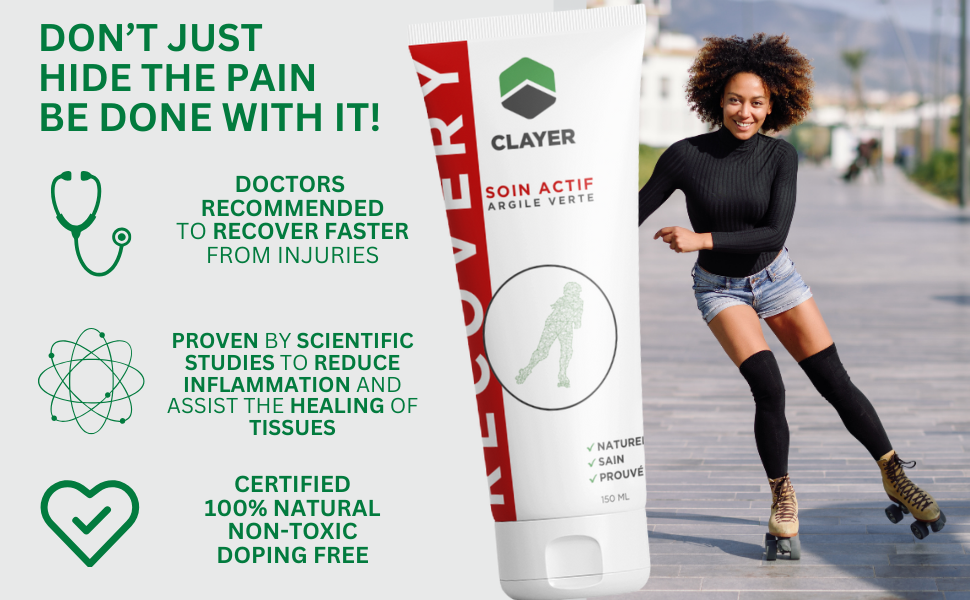
Traditional ice therapy has limitations. It numbs pain but doesn't actively support the healing process at a cellular level. This is where French green clay changes the game.
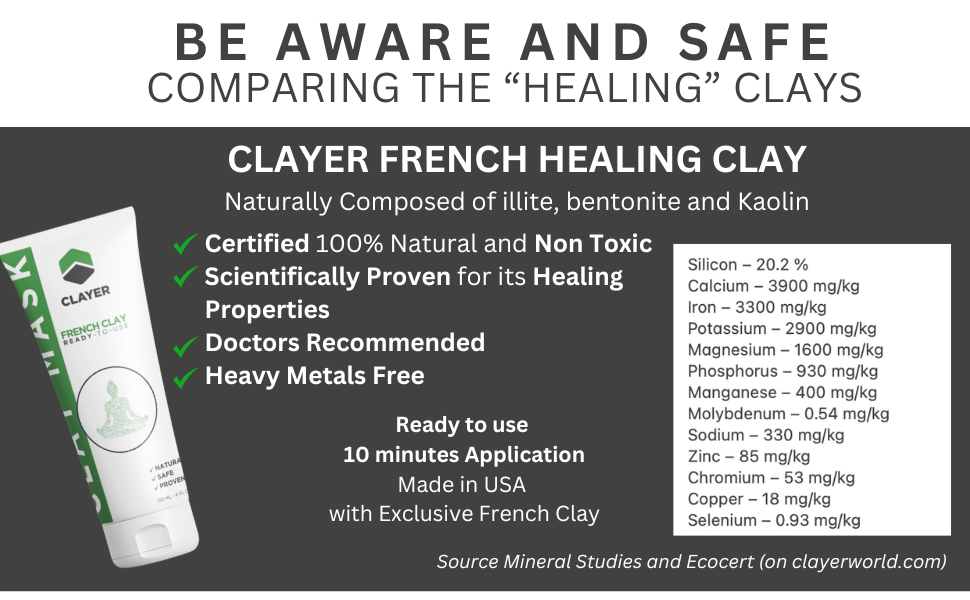
French green clay (illite) contains natural electrolytes and trace minerals that your bones need for regeneration: magnesium, calcium, potassium, and silica. Research from Cambridge University confirms that authentic French green clay possesses unique mineralogical characteristics that support healing.
How French Green Clay Supports Stress Fracture Recovery
Natural Electrolytes for Bone Regeneration
Your bones aren't static structures: they're living tissue constantly breaking down and rebuilding. This process requires specific minerals and electrolytes. French green clay delivers these naturally:
- Magnesium: Essential for calcium absorption and bone density
- Calcium: The building block of bone tissue
- Silica: Supports collagen formation and bone strength
- Potassium: Maintains cellular function and reduces inflammation
When applied topically, these minerals are absorbed through your skin, supporting your body's natural healing mechanisms where you need them most.
The 15-Minute Recovery Protocol
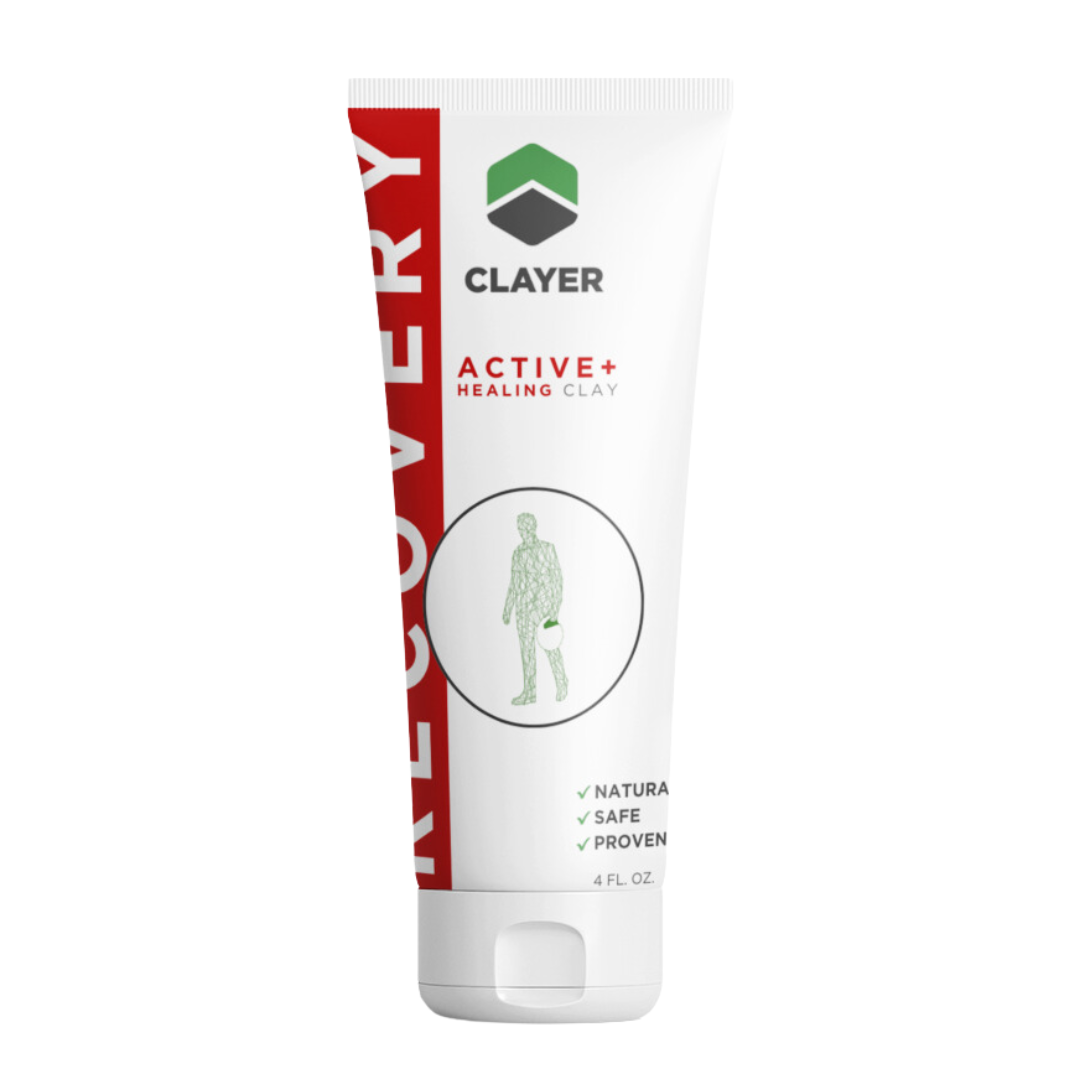
Unlike ice that requires 20-minute applications multiple times daily, CLAYER's recovery formula works in just 15 minutes. Here's why this matters:
The clay's unique molecular structure creates a drawing effect, pulling inflammatory compounds away from the injury site while delivering beneficial minerals. This isn't just masking pain: it's actively supporting your body's healing process.
Doctor-recommended and trusted by professional athletes, this approach offers a certified non-toxic alternative to chemical-laden topical treatments.
Why Certified Non-Toxic Matters
Not all clays are created equal. Many commercial clay products contain concerning levels of heavy metals, particularly lead. Research published in the National Institutes of Health reveals dangerous lead contamination in uncertified clay products.
CLAYER uses exclusively certified French green clay, tested and verified as 100% natural, non-toxic, and heavy metals free. When you're supporting bone healing, the last thing you need is introducing toxins into your recovery protocol.
Integrating Clay Therapy Into Your Recovery Plan
Weeks 1-2: Acute Phase
During the first two weeks, focus on:
- Complete rest from impact activities
- RICE protocol implementation
- Daily 15-minute French green clay applications to reduce inflammation
- Pain management with approved over-the-counter medications if needed
Apply CLAYER Recovery directly to the affected area once or twice daily. The natural anti-inflammatory properties work synergistically with your body's healing response.
Weeks 3-6: Active Healing Phase
As pain decreases and healing progresses:
- Continue daily clay applications
- Begin gentle, pain-free range-of-motion exercises
- Maintain proper nutrition with adequate protein, calcium, and vitamin D
- Work with a physical therapist to identify biomechanical issues
The minerals in French green clay continue supporting bone regeneration throughout this critical healing window.
Weeks 7-12: Progressive Loading
During this phase, you'll gradually increase activity:
- Start low-impact exercises
- Progress intensity by no more than 10% per week
- Continue clay applications before and after activity sessions
- Monitor for any return of pain or symptoms
French green clay serves double duty here: supporting continued healing while managing inflammation from increased activity.
The Natural Electrolyte Advantage
Your body loses electrolytes through sweat and stress, and these minerals are crucial for bone health. While most people think of electrolytes for hydration, they're equally important for tissue repair and inflammation management.
French green clay provides these electrolytes topically, delivering them directly where your body needs them most. This targeted approach bypasses digestive absorption issues and concentrates healing minerals at the injury site.
Scientifically proven and certified 100% natural, this approach aligns with your body's innate healing mechanisms rather than fighting against them.
Gradual Return to Activity
Recovery doesn't end when pain disappears. Complete bone healing takes time, even when you feel better. Follow this progression:
- Pain-free daily activities (weeks 4-8)
- Low-impact exercise (weeks 6-10)
- Progressive loading (weeks 8-12)
- Sport-specific training (weeks 10-14)
- Full return to competition (weeks 12+)
Throughout this process, French green clay applications support your body's adaptation to increased stress, managing inflammation naturally and safely.
Your Natural Recovery Partner
Stress fracture recovery requires patience, discipline, and smart support for your body's healing process. While you can't rush bone regeneration, you can optimize conditions for faster, more complete healing.
CLAYER's French green clay recovery products offer a certified non-toxic, scientifically backed approach to managing inflammation and supporting bone healing. With natural electrolytes, trace minerals, and a proven 15-minute application protocol, you're giving your body exactly what it needs: nothing more, nothing less.
Ready to support your recovery naturally? Explore CLAYER's recovery collection and discover why professional athletes and sports doctors trust French green clay for bone and tissue healing.
Prioritize your health and well-being with nature's proven healing compounds. Your bones will thank you.


