NFL Defensive Tackle Recovery: What Clay Does for Football
🌿 NFL Football Recovery Clay — Built for the physical demands of professional football. WADA-compliant, doctor-recommended. Shop now →
Ed Oliver is one of the NFL's most physically imposing defensive tackles — known for his elite quickness, explosive first step, and the relentless motor that has made him a disruptive force in the league. But sustaining that level of play across a 17-game NFL season requires something beyond talent: a daily recovery protocol that manages the cumulative physical punishment of playing defensive tackle at the highest level.
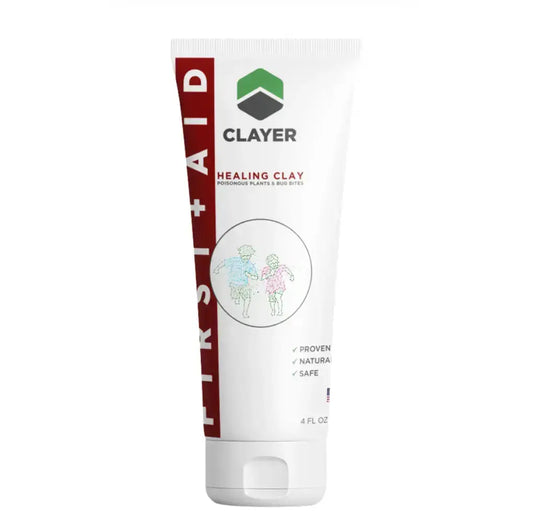
What would Clayer's French healing clay look like in a defensive tackle's recovery protocol? The question reveals exactly why clay-based recovery is becoming standard across NFL training rooms. Related: What Is Green Clay and Why Athletes Use It
The Physical Reality of Playing Defensive Tackle in the NFL
Few positions in professional sport generate as much per-play physical load as defensive tackle in the NFL. Each snap involves:
- Direct collision with offensive linemen averaging 310+ lbs — often two blockers simultaneously
- Explosive extension from a static position — maximum force generation at near-zero velocity, creating enormous stress on knees, hips, and ankles
- Sustained hand fighting — constant shoulder, elbow, and wrist load throughout the play
- Multiple plays per drive — DTs play nearly every defensive snap, with the repetitive impact accumulating rapidly
Across a 17-game regular season (plus potential playoffs), this load creates a significant cumulative inflammatory burden. The players who sustain their effectiveness through week 16 are those who managed this burden consistently — not those who only treated acute injuries as they occurred.
Why Conventional Recovery Products Fall Short for NFL Players
The conventional NFL training room has relied on ice, NSAIDs, and counterirritants (Biofreeze, Icy Hot) for decades. Each has meaningful limitations for a DT with daily recovery needs:
- Ice: Creates vasoconstriction — temporarily slowing swelling accumulation but restricting the blood flow that delivers repair cells and nutrients. No genuine anti-inflammatory benefit beyond the immediate post-injury acute phase.
- NSAIDs (ibuprofen, naproxen): Effective systemic anti-inflammatories but carry GI, kidney, and cardiovascular risks with chronic daily use across an NFL season. Not appropriate as a daily recovery standard.
- Counterirritants: Provide temporary sensory distraction without healing. 2–4 hour effect with no genuine biological benefit.
French healing clay fills the gap: a daily-use safe, topical anti-inflammatory that removes inflammatory compounds at the site rather than masking or systemically suppressing them.
How Clay Addresses DT-Specific Inflammation
Clay's ionic adsorption mechanism is specifically suited to the type of inflammation DTs generate:
- Joint compression inflammation: Repeated collision creates compressive joint stress generating pro-inflammatory cytokines in knee, hip, and shoulder joints. Clay applied around these joints draws these cytokines out, reducing the inflammatory environment that causes pain and eventual structural damage.
- Muscle belly inflammation: The large quadriceps, gluteal, and paraspinal muscles that power DT movement accumulate metabolic waste and inflammatory metabolites throughout a game. Post-game clay application to these muscle groups removes the waste that would otherwise cause 48–72 hour DOMS.
- Skin and soft tissue: Turf burns, impact bruising, and contact abrasions — standard DT wear — benefit from clay's antimicrobial and anti-inflammatory properties applied to soft tissue.
NFL Recovery Clay Protocol
Game day:
- Pre-game (45 min before): Apply clay to chronically inflamed joints — both knees, hips, any previous injury sites. Leave 20 minutes during film review. Rinse and warm up.
- Halftime: Apply to primary impact zones. Leave throughout halftime. Rinse; play second half with reduced baseline inflammation.
- Post-game: Comprehensive application to all stressed joints and major muscle groups. 20–30 minutes during nutrition window. Rinse; shower; continue recovery.
Practice week:
- Morning application to primary joints before practice
- Post-practice application to manage training-induced inflammation
- Evening application on high-load practice days
Joint-Specific Management for NFL Linemen
Knees: Medial and lateral compartment compression from blocking contact creates chronic patellar, MCL, and meniscal stress. Clay applied around the full knee — covering quadriceps insertion, lateral compartment, and posterior knee — manages the multi-directional stress pattern DTs generate.
Hips: Hip flexor and piriformis stress from explosion off the line creates significant anterior and posterior hip inflammation. Clay applied to the lateral hip and anterior thigh addresses the specific DT hip load pattern.
Shoulders: Hand fighting creates repetitive rotator cuff, AC joint, and biceps tendon stress. Clay applied to the shoulder complex (anterior, lateral, posterior) manages the cumulative load from a full game of contact.
Ankles: Explosive lateral movement on turf creates ankle stability stress. Daily clay application to the ankle mortise and surrounding tendons prevents the chronic ankle instability that shortens DT careers.
Season-Long vs Acute Recovery: The Clay Advantage
Most NFL recovery protocols are reactive — addressing acute injuries as they occur. Clay's certified daily-use safety profile enables a proactive approach: managing inflammatory load continuously throughout the season, not just after visible injury events.
The DTs who finish an NFL season at full capacity are those whose cumulative inflammatory burden never reached the tipping points that cause acute injury. Daily clay use is the equivalent of changing the oil regularly rather than waiting for the engine to seize — preventive maintenance that protects long-term athletic capital.
WADA Compliance in the NFL
The NFL's drug testing program uses WADA standards and applies to all products a player uses — including recovery products applied topically. A contaminated product creating a false positive is a career-threatening event regardless of the player's intent.
Clayer's WADA-compliant certification provides absolute confidence that no banned substance is present in any formula. For a player of Ed Oliver's caliber, where reputation and contract value depend on clean compliance records, this certification is non-negotiable. See NFL athletes who trust Clayer →
Built for the NFL's most demanding position. CLAYER certified.
Shop NFL Recovery Clay →FAQ
Q: How often should an NFL player apply recovery clay?
A: Daily — ideally twice daily on game days (pre-game and post-game) and once or twice on practice days. Consistent daily application prevents cumulative inflammation buildup; reactive use after visible injury is less effective than maintenance protocol use throughout the season.
Q: Is clay safe to use alongside other NFL-approved medications?
A: Yes — clay is a topical therapy with no known drug interactions. It can be used alongside prescribed NSAIDs, corticosteroids, or other standard NFL team medical protocols. Always inform your team physician of all products in your personal protocol.
Q: Can clay help with old injuries and chronic pain?
A: Yes. Regular clay application to areas of chronic inflammation (previous injury sites, chronically stressed joints) manages ongoing inflammatory load in those areas. The progressive benefit compounds with consistent use — the longer you maintain the protocol, the lower the baseline inflammatory burden in target areas.