Healing Clay for Post-Surgery Swelling: Better Than Ice
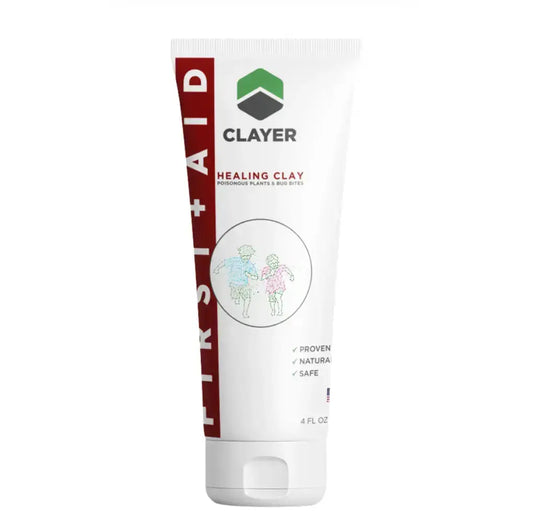
🌿 Clayer First-Aid Healing Clay — Reduces post-surgical swelling actively. Certified non-toxic, doctor-recommended. Shop now →
After-surgery swelling is one of the most significant barriers to fast, complete recovery. It causes pain, limits range of motion, delays physical therapy, and extends the overall recovery timeline. French healing clay has been the gold standard in European post-operative swelling management for decades — here's the science behind why it outperforms ice packs.
The Biology of Post-Surgical Swelling
Surgical swelling (edema) results from a cascade of events triggered by tissue trauma:
- Surgery disrupts tissue integrity, triggering local release of histamine and prostaglandins
- These compounds increase vascular permeability — blood vessel walls become leaky
- Fluid, proteins, and immune cells pour into the interstitial space
- Swelling accumulates as this extravasated fluid builds
- The swollen tissue compresses nerves, causing pain, and limits movement
Effective swelling management requires removing or neutralizing the compounds that sustain vascular permeability — not just mechanically compressing the swelling or reducing blood flow.
Why Ice Has Limited Long-Term Swelling Effectiveness
Ice reduces swelling in the short term by causing vasoconstriction — vessels narrow, temporarily slowing the influx of more fluid. But:
- Once ice is removed, vessels dilate again (often rebounding) and fluid accumulation resumes
- Ice does nothing to address the inflammatory signaling driving vascular permeability
- Icing also restricts delivery of lymphatic drainage capacity — reducing the body's own mechanism for clearing swelling
- The benefit is temporary, requiring continuous icing cycles that are uncomfortable and impractical
How Healing Clay Targets Post-Surgical Swelling at the Source
French green clay reduces swelling through ionic adsorption of the compounds causing it:
- Histamine adsorption: Histamine (primary driver of vascular permeability) carries a positive charge and is drawn to clay's negative surface
- Prostaglandin binding: Inflammatory prostaglandins are captured and removed from the local environment
- Edema fluid clearing: As inflammatory signaling reduces, the vascular permeability that created the swelling normalizes; lymphatic drainage can proceed
- Maintaining circulation: Unlike ice, clay maintains blood flow — allowing the lymphatic system to actively drain swelling
The result is progressive, sustained swelling reduction — not the cycle of temporary relief and rebound that ice creates.
Application Protocol for Post-Surgical Swelling
- Get surgical clearance before starting
- Apply Clayer Healing Clay generously around (not on) the surgical site
- Cover with a damp bandage or cloth to slow drying
- Leave 20–30 minutes; rinse with warm water
- Repeat 2–3 times daily during acute swelling phase
- Reduce to 1x daily as swelling resolves (typically 1–2 weeks post-op)
- Continue periodic application for 4–6 weeks post-operatively for optimal mineral support during tissue repair
Swelling Reduction Timeline with Healing Clay
- Day 1–2: Clay slows the rate of swelling accumulation
- Day 3–5: Measurable reduction in existing swelling; pain levels improving
- Week 1–2: Swelling resolving significantly faster than ice-only protocol comparison
- Week 2–4: Residual swelling managed; range of motion recovering well
When to See Your Doctor About Post-Surgical Swelling
Healing clay is a supportive therapy — seek immediate medical attention if you experience:
- Sudden dramatic increase in swelling after initial improvement
- Hot, red skin around the surgical site with fever
- Swelling accompanied by chest pain or shortness of breath
- Wound discharge or signs of infection
These signs require medical evaluation — clay therapy is not a substitute for medical care in these scenarios.
Reduce swelling at the source. Recover faster.
Shop Clayer Healing Clay →FAQ
Q: How quickly does healing clay reduce post-surgical swelling?
A: Most patients using twice-daily clay application notice measurable swelling reduction within 3–5 days. The progressive mechanism means improvement compounds over consecutive applications.
Q: Can I use healing clay on all types of surgical swelling?
A: Healing clay is most effective for musculoskeletal surgical swelling (joints, soft tissue). For internal organ surgery or swelling near body cavities, clay application to the surface is not the appropriate approach — follow your surgical team's specific protocol.
Q: Is there a specific Clayer product for post-surgical use?
A: Clayer First-Aid Healing Clay is the most appropriate product for post-surgical application — certified non-toxic, no alcohol or synthetic additives that could irritate healing tissue.