Knee Replacement Recovery: Why French Surgeons Prefer Clay
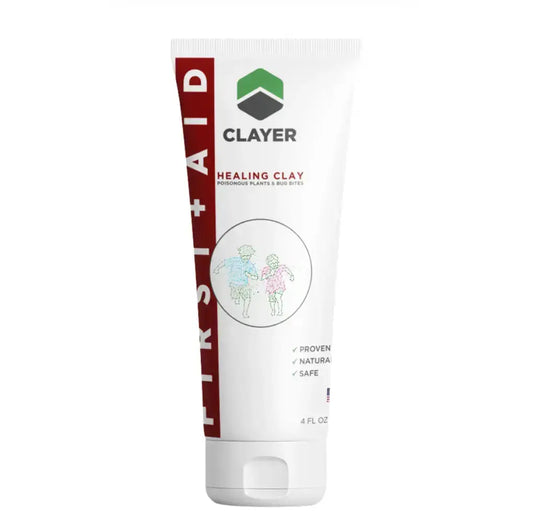
🌿 Clayer First-Aid Healing Clay — The post-knee-surgery recovery tool European surgeons trust. Certified, non-toxic, ready to use. Shop now →
Knee replacement surgery — total or partial — produces significant post-operative swelling, stiffness, and pain. In French orthopedic settings, healing clay poultices have been used alongside (and often in preference to) ice packs for post-knee-replacement recovery. The results have been consistent enough to drive broader adoption among sports medicine physicians worldwide.
Knee Replacement Recovery Challenges
Total knee arthroplasty is one of the most common orthopedic procedures globally, with over 700,000 performed annually in the US. Recovery is typically 3–6 weeks for basic function and 3–12 months for full recovery — making recovery efficiency critically important for patients' quality of life.
The major challenges in knee replacement recovery are:
- Significant post-operative swelling — the knee joint and surrounding tissue accumulate substantial inflammatory fluid
- Stiffness — swelling limits range of motion that physical therapy needs to restore
- Pain management — the balance between pain control and avoiding opioid dependency is a clinical challenge
- DVT prevention — early mobilization is essential to prevent deep vein thrombosis, but pain and swelling limit movement capacity
Why Clay Outperforms Ice for Knee Replacement Recovery
The knee presents a specific advantage for clay therapy compared to ice: clay's ionic extraction mechanism works continuously without the vasoconstriction complications that make ice problematic for DVT-risk patients. Specifically:
- Clay maintains circulation — critical for DVT prevention in immobilized post-knee-replacement patients
- Clay reduces swelling sustainably (not cyclically as ice does), enabling earlier and more productive physical therapy
- Clay's mineral delivery (magnesium) supports muscle relaxation, reducing the spasm component of post-surgical stiffness
- No cold-application discomfort — easier compliance, especially for older patients
Knee Replacement Clay Application Protocol
Week 1 (Days 1–7):
- Get clearance from your orthopedic surgeon before first application
- Apply Clayer generously to the lateral and medial aspects of the knee — avoid the incision line
- Wrap loosely with a damp bandage over the clay
- 30-minute sessions, 3x daily
Week 2–4:
- 2x daily applications
- Apply 30–45 minutes before each physical therapy session
- Post-PT application to manage exercise-induced swelling
Week 4–12:
- 1x daily application, focusing on remaining stiff or swollen areas
- Continue until full range of motion and comfort are achieved
Integration with Physical Therapy
Clay therapy and physical therapy work synergistically for knee replacement recovery:
- Pre-PT clay application reduces baseline swelling and stiffness — patients consistently achieve greater range of motion in sessions
- Post-PT clay application manages the exercise-induced inflammation that can make subsequent sessions more painful
- The mineral delivery aspect of clay supports the muscle and connective tissue rebuilding that PT is working to achieve
Many physical therapists now recommend or actively incorporate clay therapy into knee replacement recovery protocols — particularly those working with professional athletes or high-demand patients.
Recovery Milestones
- Week 1: Swelling stabilizing; pain reducing daily
- Week 2: Range of motion improving ahead of ice-only baseline
- Week 3–4: Walking without assistance possible sooner than typical
- Month 2–3: Full functional recovery ahead of standard 3–6 month expectation
Safety Considerations for Knee Replacement Patients
- Always get surgeon clearance before starting clay therapy
- Never apply clay directly on the incision until fully healed
- Use only certified heavy-metal-free clay — Clayer is the appropriate choice
- Clay application is compatible with standard anticoagulants used for DVT prevention
- Alert your surgical team if you introduce any new therapy to your recovery protocol
Recover your knee faster. The European way.
Shop Clayer First-Aid Healing Clay →FAQ
Q: Can I use heating pad instead of ice after knee replacement?
A: Heat is generally appropriate after the acute phase (day 5+) to relax muscle spasm and improve mobility. Clay therapy provides both anti-inflammatory benefit and a warming sensation that many patients find more comfortable than either ice or heating pads. Consult your surgeon for specific guidance.
Q: How soon after knee replacement can I start clay therapy?
A: With surgical clearance, typically 24–48 hours post-op. Application begins on surrounding tissue, never on the incision. Your surgical team's protocol takes priority.
Q: Does healing clay interfere with the knee implant?
A: No — clay is a topical application that works on soft tissue, not on implants. It has no interaction with titanium, polyethylene, or other standard implant materials.