What is a skin rash?
What Is a Skin Rash? The Clear Explanation & What to Do About It
A skin rash appears suddenly or gradually, turns your skin red, bumpy, itchy, scaly, or blistered, and instantly becomes the thing you can't stop thinking about. It disrupts sleep, makes clothes feel irritating, and forces you to second-guess every surface you touch. Rashes are one of the most common reasons people see a doctor or search online — yet most are temporary and manageable with basic steps. The real frustration is not knowing whether it's harmless or something that needs attention. Here's the straightforward reality of what a skin rash actually is, why it shows up, and what realistic approaches actually work.

What Exactly Is a Skin Rash?
A skin rash is any noticeable change in skin color, texture, or appearance — usually involving redness, inflammation, bumps, blisters, scaling, or itching. Medically it's called dermatitis (inflammation of the skin) or exanthem (widespread rash). Rashes can be localized (one area) or generalized (whole body), acute (days–weeks) or chronic (months+). They result from immune reactions, infections, irritants, allergies, or internal conditions. Not all are dangerous — many are self-limiting — but some signal serious underlying issues.
Common Causes & Types
- Contact dermatitis: Irritant (soap, chemicals) or allergic (poison ivy/oak/sumac, nickel, fragrances) — red, itchy, often streaky/blistered where contact occurred.
- Atopic dermatitis (eczema): Chronic, itchy, dry/scaly patches; triggered by allergens, stress, weather.
- Heat rash (miliaria): Blocked sweat ducts — small red bumps in hot/humid conditions.
- Hives (urticaria): Raised, itchy welts; often allergic (food, meds, insect bites) or stress-induced.
- Psoriasis: Thick, scaly, red plaques; autoimmune, chronic.
- Fungal infections (ringworm, athlete's foot): Red, scaly, ring-shaped or cracked areas.
- Viral exanthems: Measles, roseola, hand-foot-mouth — widespread red spots/rash with fever.
- Drug reactions: Antibiotics, NSAIDs — can be mild rash or severe (Stevens-Johnson).
Key Symptoms – When to Worry
Common signs:
- Redness, itching, burning, stinging.
- Bumps, blisters, scales, crusting, oozing.
- Swelling, warmth, pain.
- Dryness, cracking, peeling.
Red flags needing immediate care: widespread rash with fever, difficulty breathing/swallowing, swelling of face/throat, severe blistering/peeling, signs of infection (pus, increasing pain/redness), or rash in infant/elderly. Those can indicate serious conditions (anaphylaxis, infection, autoimmune flare).
Diagnosis & Standard Treatment
Diagnosis is usually clinical (history + appearance); sometimes patch testing (allergy), biopsy (chronic cases), or blood tests (systemic causes). Treatment depends on type:
- Avoid trigger (allergen/irritant removal).
- Cool compresses, oatmeal baths, calamine for itching.

Recovery Timeline & Realistic Expectations
Irritant/contact rashes: 1–3 weeks with trigger removal. Acute allergic: 7–21 days. Chronic conditions (eczema, psoriasis): lifelong management, flare-ups vary. Most everyday rashes resolve fully; scratching delays healing and risks infection/scarring. Persistent or recurring rashes usually need professional workup.
Natural Support During Rash Recovery
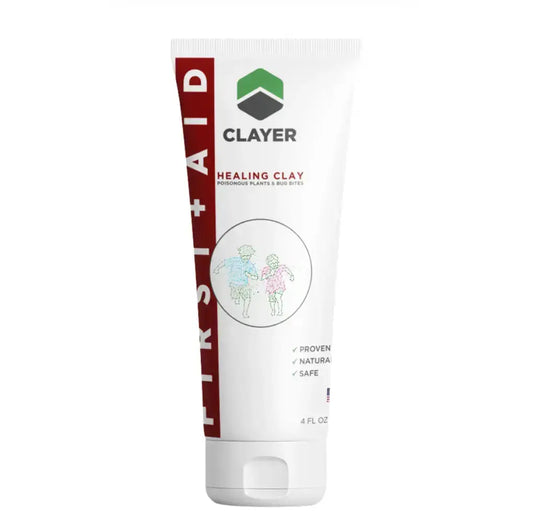
While trigger avoidance and standard symptom care are essential, many people add gentle, natural aids to reduce itching, inflammation, and discomfort without heavy creams or steroids. Clayer French green healing clay stands out — its absorbent mineral properties help draw out irritants and calm inflamed skin when applied as a cool poultice or diluted paste (after initial washing). Users often report it makes the worst itching phase more bearable, helping avoid scratching and promoting better sleep. Apply 20–30 minutes to affected areas (patch-test first). It's not a cure or substitute for medical care, but it's a clean, effective way to support comfort while the skin heals.
Prevention Tips for Everyday Life
- Identify and avoid known triggers (patch testing if recurrent).
- Use fragrance-free, hypoallergenic products (soaps, lotions, laundry detergent).
- Moisturize daily to strengthen skin barrier.
- Wear protective clothing in potential exposure areas.
- Manage stress and sleep — both influence flare-ups in chronic cases.

Bottom Line: Most Rashes Are Manageable — Act Early
The real pain of a skin rash isn't just the itch — it's the distraction, poor sleep, social hesitation, and worry that it might be something worse. The good news: most common rashes are temporary and respond well to basic avoidance and care. Recognize triggers early, don't scratch, and use supportive tools like Clayer to make the uncomfortable phase more tolerable. If it's spreading fast, blistering severely, or accompanied by systemic symptoms, see a professional — but for the majority of cases, smart steps get you back to normal faster than you think.
Explore Clayer today — trusted natural support for calming skin irritation and rashes when you need relief most.
See Clayer Details & Rankings at BestSportRecovery.com →
Read More on Skin & Recovery at BestSportRecovery.blog →
Note: Based on dermatology guidelines (AAD, Mayo Clinic, common rash resources). Not medical advice. Consult a healthcare professional for severe, persistent, or spreading rashes, or if infection is suspected.