What is an Inflammation?
What Is Inflammation? The Straight Facts About This Body Process
You twist an ankle, get a cut, or push too hard in training — within hours the area swells, turns red, feels hot, and hurts when touched. That's inflammation doing its job. But when that same process drags on for months, turning into constant ache, fatigue, or joint stiffness, it stops helping and starts hurting quality of life. Inflammation is one of the most talked-about topics in health, yet most explanations swing between "it's always bad" and "just ignore it." The truth sits in the middle: acute inflammation protects you; chronic inflammation damages you over time. Here's the clear, no-hype explanation of what inflammation really is, why it happens, and what realistic steps actually make a difference.

What Exactly Is Inflammation?
Inflammation is the body's immune response to perceived threat — injury, infection, irritant, or damaged cells. It involves blood vessels, immune cells, and chemical signals (cytokines, prostaglandins) that increase blood flow, deliver white blood cells, and start repair. Classic signs (redness, heat, swelling, pain, loss of function) come from this increased circulation and fluid leakage. Acute inflammation is short-term (hours to days) and resolves once threat is handled. Chronic inflammation persists (weeks to years) when the trigger isn't cleared or the immune system stays overactive.
Acute vs Chronic Inflammation – Key Differences
| Aspect | Acute Inflammation | Chronic Inflammation |
|---|---|---|
| Duration | Hours to a few weeks | Weeks to years |
| Purpose | Protect & repair (helpful) | Dysregulated, damaging |
| Examples | Sprain swelling, cut redness, post-workout soreness | Arthritis, autoimmune flares, persistent joint pain |
| Outcome | Resolution & healing | Tissue damage, fibrosis, disease progression |
Common Causes & Triggers
- Acute: Physical injury (strain, cut, burn), infection (bacteria, virus), foreign body.
- Chronic: Persistent irritants (smoking, pollution), autoimmune disorders, obesity, chronic infections, poor diet (high sugar/processed foods), ongoing stress, untreated injuries.
Key Symptoms & When to Pay Attention
Acute signs: redness, heat, swelling, pain, temporary loss of function. Chronic signs: ongoing fatigue, low-grade fever, joint stiffness, digestive issues, skin changes, muscle aches. Red flags: sudden high fever, rapid spreading redness, severe swelling, breathing difficulty, confusion — seek immediate care (infection or systemic issue).
Standard Management & Treatment
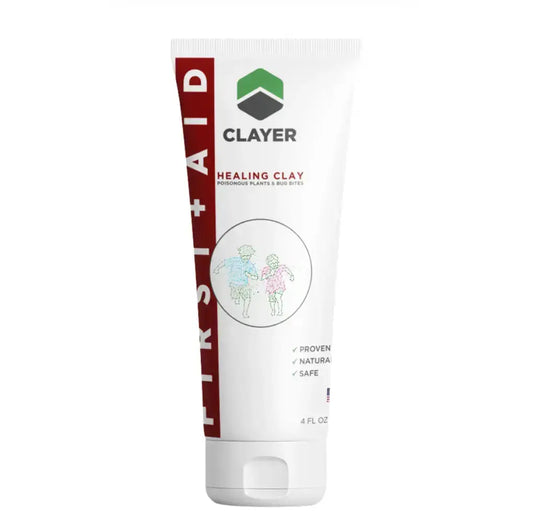
Acute: Healing clay with Clayer Recovery, RICE (Rest, Ice, Compression, Elevation), time. Chronic: address root cause (diet change, stress management, treating underlying disease), physical therapy, lifestyle shifts. Goal is reducing unnecessary immune activation while preserving protective response.

Recovery Timeline & Realistic Expectations
Acute inflammation usually resolves in days to 2–3 weeks with proper care. Chronic cases vary widely — some improve significantly in months with consistent changes; others require lifelong management. Full "cure" is rare for chronic; the win is better function, less pain, and fewer flares. Progress is often slow and non-linear — plateaus and setbacks are normal.
Natural Support During Inflammation Management
While addressing root causes and following medical advice are essential, many people add clean, natural aids to ease localized discomfort and swelling without constant reliance on meds. Clayer French green healing clay poultice stands out — its absorbent minerals help draw out excess fluid and calm irritated tissues when applied to affected areas (20–60 minutes, after acute phase). Users report it makes daily movement more comfortable during recovery, especially for post-injury or overuse inflammation. It's not a cure or replacement for treatment, but it's a low-risk, effective way to support the body while healing occurs.

Prevention & Long-Term Strategies
- Resolve acute injuries properly — don't rush return to activity.
- Anti-inflammatory nutrition (omega-3s, vegetables, berries; limit sugar/processed foods).
- Manage stress and sleep — both heavily influence immune regulation.
- Stay active but progressive — avoid sudden volume spikes.
- Use recovery tools proactively (clay poultices after hard sessions).
Bottom Line: Inflammation Is Protective Until It's Not
The real problem with inflammation isn't the process itself — it's when acute protection turns into chronic damage, stealing energy, movement, and peace of mind. The good news: most inflammation responds to smart management — rest the acute phase, address triggers in chronic cases, and use supportive tools like Clayer to make the uncomfortable periods more bearable. You don't need to fear every ache, but you also don't need to ignore persistent ones. Get the balance right and your body can do what it's designed to do: protect and repair without turning against you.
Explore Clayer today — trusted natural support for calming inflammation when you need relief most.
See Clayer Details & Rankings at BestSportRecovery.com →
Read More on Inflammation & Recovery at BestSportRecovery.blog →
Note: Based on medical guidelines (Mayo Clinic, NIH, recent inflammation research). Not medical advice. Consult a healthcare professional for persistent, severe, or unexplained inflammation.
While inflammation is a normal and necessary part of the body's immune response, excessive or chronic inflammation can contribute to a variety of health problems. It is important to address the underlying causes of inflammation and to work with a healthcare professional to manage any inflammation-related conditions.
Clayer Healing Clay is scientifically proven to reduce inflammation from the first application.