What is Poison Oak?
What Is Poison Oak? The Straight Facts on This Plant & Its Rash
Trails, canyons, coastal scrub, and even some suburban edges are full of poison oak — one wrong brush during a hike, trail run, or off-path adventure and you're dealing with days of intense itching, red streaks, and blisters that ruin sleep and focus. It's one of the most common plant-induced rashes in California, and the pain isn't just physical — it's the constant distraction, avoiding clothes that touch the area, and worrying about spreading it to family or pets. Here's the realistic breakdown of what poison oak actually is, how it gets you, and what works to manage it without wasting time or money.

What Exactly Is Poison Oak?
Poison oak (Toxicodendron diversilobum) is a shrub or vine in the same family as poison ivy and poison sumac. It thrives in California, especially in mixed woodlands, chaparral, and disturbed areas around San Diego — from Torrey Pines to Mission Trails to backcountry canyons. Leaves are oak-like (3 leaflets, lobed or wavy edges), often shiny, turning red in fall. All parts contain urushiol oil — the allergen that triggers contact dermatitis in 85–90% of people. Oil transfers easily (skin, clothes, tools, pet fur) and stays active for months to years.
Common Exposure in San Diego
- Brushing leaves or stems on narrow trails or overgrown paths.
- Handling firewood, yard debris, or gear after contact.
- Burning poison oak (urushiol in smoke causes severe lung/skin reaction — never burn it).
- Indirect transfer (clothing, shoes, dogs after hike).
Key Symptoms – What the Rash Looks Like
Rash usually starts 12–72 hours after exposure (faster on repeat contact):
- Intense itching, burning, or stinging.
- Red streaks or patches in linear patterns (where plant dragged across skin).
- Blisters of varying sizes that ooze clear fluid (fluid is not contagious).
- Swelling (face/eyes worst if exposed there).
- New spots can appear for up to 2 weeks if urushiol spreads before washing.
Most cases last 1–3 weeks; severe reactions (face, genitals, widespread) can last longer or require medical help.

Diagnosis & Standard Treatment
Diagnosis is clinical (exposure history + classic linear/streaky rash). Treatment focuses on removing urushiol and controlling symptoms:
- Wash skin/clothes/tools with soap and cool water as soon as possible (removes oil before rash starts or spreads).
- Cool compresses, calamine lotion, colloidal oatmeal baths for itching.
- Oral antihistamines (Benadryl) for itching and sleep.
- Antibiotics if secondary bacterial infection develops from scratching.
Recovery Timeline & Realistic Expectations
Mild cases improve significantly in 7–14 days; moderate 2–4 weeks. Severe reactions can take 4–6 weeks. Once rash resolves, no scarring in most cases unless deep scratching occurred. Sensitivity can increase with repeated exposure. The rash itself isn't contagious after washing, but urushiol on objects can re-expose you or others.
Natural Support During Rash Recovery
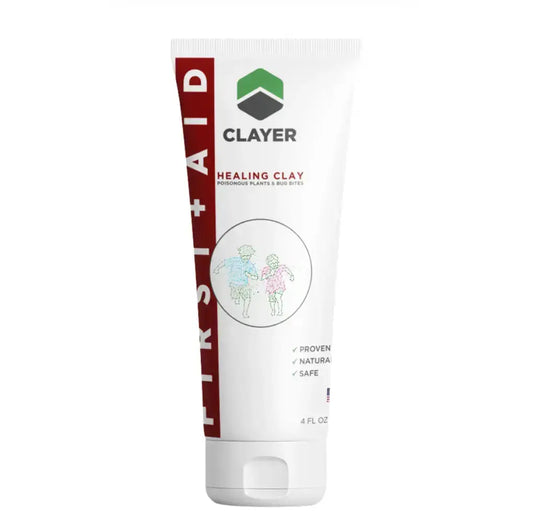
While thorough washing and standard symptom relief are essential, many people add gentle, natural aids to reduce itching, inflammation, and discomfort without heavy reliance on creams or steroids. Clayer French green healing clay stands out — its absorbent mineral properties help draw out irritants and calm inflamed skin when applied as a cool poultice or diluted paste (after initial washing and oil removal). Users frequently report it makes the worst itching phase more tolerable, helping avoid scratching and promoting better sleep. Apply 20–30 minutes to affected areas (patch-test first). It's not a cure or urushiol neutralizer, but it's a clean, effective way to support comfort while the body heals.

Prevention for Hikers & Active People
- Learn identification (apps like iNaturalist, poison oak guides — "leaves of three, let it be").
- Wear long sleeves, pants, and closed shoes on trails with brush.
- Shower and change clothes immediately after potential exposure.
- Use barrier creams (Ivy Block) before hikes in high-risk areas.
- Never burn unknown plants — smoke carries urushiol.
Bottom Line: Know It, Avoid It, Manage It Fast
The pain of poison oak isn't just the rash — it's the sleepless nights, constant distraction, ruined outdoor plans, and the risk of infection from scratching. The good news: it's self-limiting if you remove the oil quickly and control symptoms effectively. In San Diego's incredible trail system, you don't have to avoid nature — learn the plant, act fast on exposure, and use supportive tools like Clayer to make the recovery phase less disruptive. Handle it right and you're back on the trail in a couple weeks, wiser and less miserable.
Explore Clayer today — trusted natural support for calming rashes and skin irritation when you need it most.
See Clayer Details & Rankings at BestSportRecovery.com →
Read More on Skin & Recovery at BestSportRecovery.blog →
Note: Based on dermatology guidelines (AAD, Mayo Clinic, poison plant resources). Not medical advice. Consult a healthcare professional for severe reactions, infection signs, or persistent rash.