Benefits of french clay: How to use it and side effects
French clay has been used for centuries as a natural healing remedy, and modern science is finally catching up to what ancient civilizations already knew. This mineral-rich powerhouse offers some seriously impressive benefits for your skin and body, backed by research and trusted by athletes and skincare enthusiasts alike.
Let's dive into what makes French clay so special, how to use it properly, and what you need to know about potential side effects.
What Makes French Clay Different?
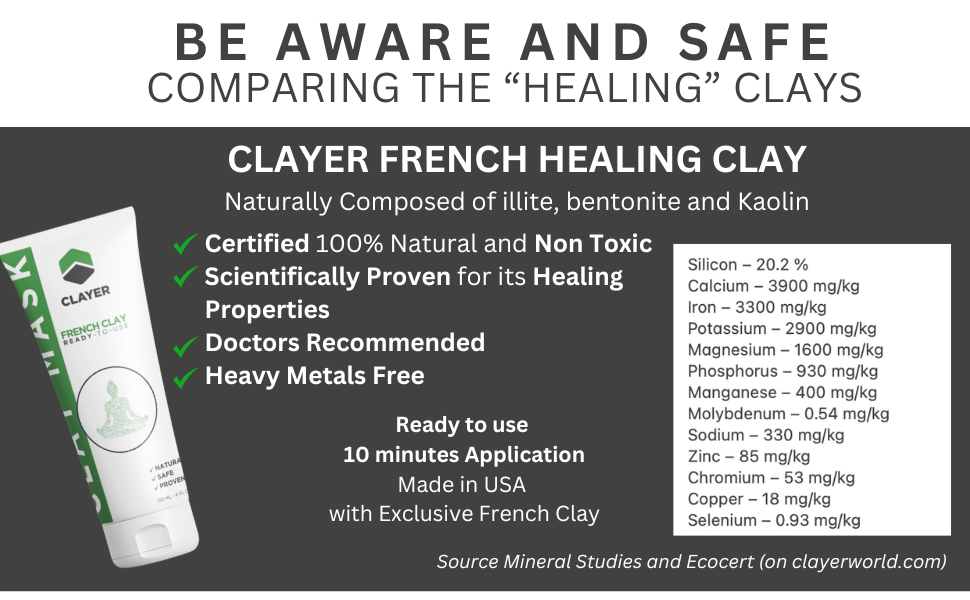
French clay isn't just any clay: it's a unique blend of minerals sourced from specific volcanic regions in France. The composition includes illite, bentonite, and kaolin clays, each bringing their own healing properties to the table. What sets it apart is its rich mineral content: magnesium, calcium, potassium, silica, iron, and trace minerals that work together to support skin health and recovery.
The clay's negative ionic charge acts like a magnet for toxins, impurities, and excess oils. Think of it as a natural detox system for your skin that doesn't require harsh chemicals or synthetic ingredients.
Scientific Benefits of French Clay
Deep Cleansing and Detoxification
The most well-known benefit of French clay is its ability to draw out impurities. That negative charge we mentioned? It attracts positively charged toxins, heavy metals, dirt, and pollutants trapped in your pores. Research shows that French clay can effectively remove environmental contaminants without stripping your skin's natural protective barrier.
Unlike harsh cleansers that can damage your skin microbiome, French clay works gently yet effectively. It removes dead skin cells, unclogs pores, and leaves your skin genuinely clean: not just surface-level clean.
Oil Control Without Over-Drying
Here's where French clay really shines: it absorbs excess sebum while maintaining your skin's natural moisture balance. This is a game-changer for anyone with oily or combination skin who's tired of products that either don't work or leave their skin feeling like the Sahara Desert.
The clay regulates oil production naturally, which means fewer breakouts and a more balanced complexion over time. You can even use it as a natural deodorant because it absorbs sweat and neutralizes odors without aluminum or synthetic fragrances.
Anti-Inflammatory Properties
French clay's mineral composition provides natural anti-inflammatory benefits. Studies have shown that certain clays can reduce redness, calm irritation, and soothe conditions like eczema, psoriasis, and rosacea. The silica content promotes healing, while minerals like magnesium help reduce inflammation at a cellular level.
Athletes particularly benefit from this property. Applying a clay mask after intense training can help reduce muscle inflammation and support faster recovery. That's why professional athletes trust Clayer's certified formulation for their recovery routine.

Skin Tightening and Pore Refinement
Regular use of French clay can visibly minimize the appearance of pores and create a natural lifting effect. The clay's astringent properties tone and tighten skin, giving you that coveted smooth, refined texture.
This isn't about covering up imperfections: it's about actually improving your skin's structure. The minerals in French clay support collagen production and cell regeneration, which means you're not just treating surface issues but building healthier skin from within.
Enhanced Circulation and Glow
When you apply a clay mask, you're stimulating blood flow to the skin's surface. This increased circulation delivers oxygen and nutrients to your cells, promoting that natural, healthy glow everyone's chasing with highlighters and serums.
Pink French clay, in particular, is known for its gentle nourishing properties. It's less drying than other clay varieties, making it perfect for those with sensitive skin who still want the detoxifying benefits.
Antibacterial Benefits
Research from the National Science Foundation has shown that certain clays have natural antibacterial properties. French green clay can help combat acne-causing bacteria without the harsh side effects of synthetic treatments. This makes it an excellent choice for anyone dealing with breakouts or concerned about maintaining clear, healthy skin.
How to Use French Clay: Application Methods
The Classic Clay Mask
The most popular way to use French clay is as a face mask. Here's how to do it right:
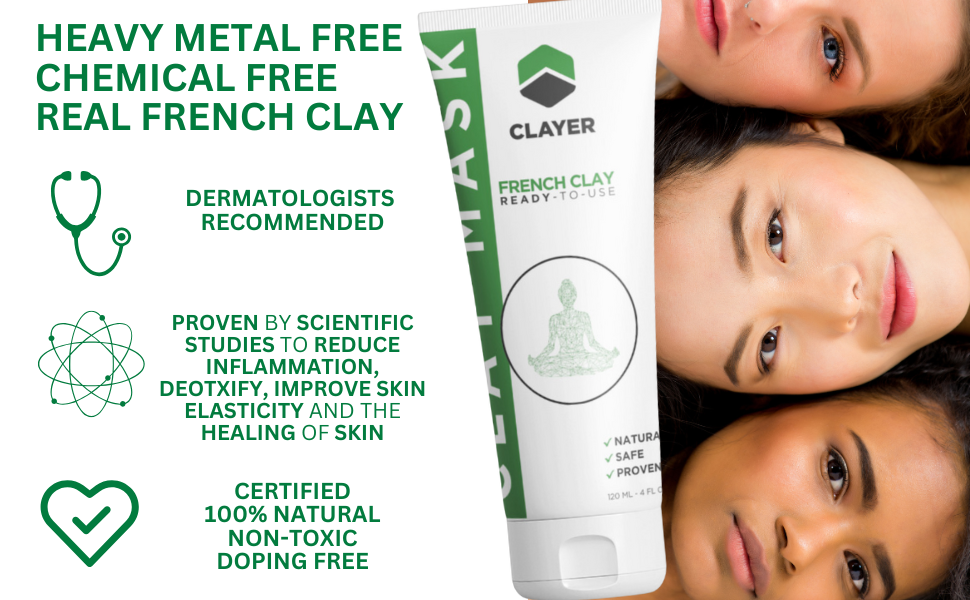
For Ready-to-Use Formulas: If you're using a product like Clayer's French Clay Mask, simply apply a generous layer to clean skin, avoiding the eye area. Wait 10-15 minutes (don't let it dry completely: keep it slightly moist), then rinse with warm water.
For Dry Clay Powder: Mix the clay with filtered water or apple cider vinegar to create a smooth paste. Apply the same way, keeping the mask hydrated throughout application.
Frequency matters: Those with oily or acne-prone skin can use clay masks 2-3 times per week. If you have sensitive or dry skin, start with once a week and see how your skin responds.
Targeted Spot Treatment
You don't need to use clay on your entire face. For active breakouts or problem areas, apply a small amount of clay directly to the spot. Leave it on overnight for intensive treatment. This method works particularly well for stubborn blemishes or areas prone to congestion.
Full-Body Application for Recovery
Athletes and active individuals can apply French clay to sore muscles, joints, or injured areas. The anti-inflammatory properties help reduce swelling and support faster recovery. Apply a thick layer to the affected area, cover with a damp cloth, and leave for 20-30 minutes.
Clayer's formulation is specifically tested and recommended by sports doctors for this purpose. It's heavy-metal-free and safe for repeated use on the body.
Detox Bath Soak
Add 1-2 cups of French clay to a warm bath for a full-body detox experience. Soak for 20 minutes to draw out toxins, ease muscle tension, and nourish your skin with minerals. This is especially beneficial after intense workouts or exposure to environmental pollutants.

Side Effects and Safety Considerations
What You Need to Know
French clay is generally safe for most people when used properly. However, there are some important considerations:
Dryness: The most common side effect is temporary dryness, especially if you leave the mask on too long or use it too frequently. Always keep your mask slightly damp during application and follow up with a good moisturizer.
Sensitivity: Some people with extremely sensitive skin may experience mild redness or irritation. Do a patch test on your inner arm before applying to your face, especially if you're trying a new clay product.
Heavy Metal Contamination: This is the big one most people don't know about. Research published in the National Institutes of Health has shown that many clay products contain concerning levels of lead, arsenic, and other heavy metals. These naturally occurring contaminants can be absorbed through your skin with repeated use.
Why Certified, Tested Clay Matters
Not all French clay is created equal. The source matters tremendously. Clays from contaminated regions or those that haven't been properly tested can do more harm than good.
Clayer is the only French clay brand that is:
- Tested and certified heavy-metal-free
- Sourced from clean volcanic regions in France
- Backed by scientific studies and safety certifications
- Rated 100/100 on the Yuka App for ingredient safety
- Recommended by doctors for therapeutic use
This isn't just marketing: it's about your safety. When you're putting something on your skin regularly, you need to know it's pure and non-toxic. Many popular clay brands contain lead levels that exceed safe limits. That's not a risk worth taking.
Proper Usage Guidelines
To minimize any potential side effects:
- Never let clay masks dry completely on your skin
- Don't use clay more than 3 times per week, even with oily skin
- Always hydrate your skin after using clay
- Avoid using clay on broken or severely irritated skin
- Stay away from the delicate eye area
- Use filtered or distilled water when mixing clay powder
- Store clay in glass or ceramic containers, never metal
Why Clayer's French Clay Stands Out
When it comes to French clay, quality and purity are everything. Clayer's exclusive formulation combines all three types of French clay (illite, bentonite, and kaolin) in precise ratios for maximum effectiveness.
What makes it different:
100% Natural and Non-Toxic: No preservatives, no fragrances, no chemicals. Just pure, healing clay.
Heavy-Metal-Free Certification: The only brand with comprehensive testing for lead, arsenic, mercury, and other contaminants. You can actually see the test results and studies.
Ready-to-Use Formula: No guessing about consistency or mixing ratios. Just open and apply.
Proven Results: Used by professional athletes, recommended by sports doctors, and backed by actual scientific research: not just marketing claims.
Multi-Purpose: Whether you need it for skincare, muscle recovery, or natural body care, it works.
The reality is that French clay works when it's pure, properly sourced, and used correctly. Compromising on quality means compromising on results and potentially exposing yourself to harmful contaminants.
Your Next Step
Now you know the benefits of French clay, how to use it safely, and what to watch out for. The question is: are you ready to experience what real, certified French clay can do for your skin and recovery?
Your body deserves products that are as committed to your health as you are. Choose clay that's tested, proven, and trusted by professionals. Choose products that empower you to take control of your wellness naturally.
Check out Clayer's certified French clay products and experience the difference that purity makes. Your skin: and your peace of mind( will thank you.)