
Bentonite Clay for Staph: Natural Support for Skin Health
Staph infections don't play around. Whether you're dealing with a minor skin irritation that won't quit or concerned about antibiotic-resistant strains like MRSA, finding effective natural support matters. Here's something most people don't know: bentonite clay for staph infections isn't just an old wives' tale: it's backed by serious scientific research.
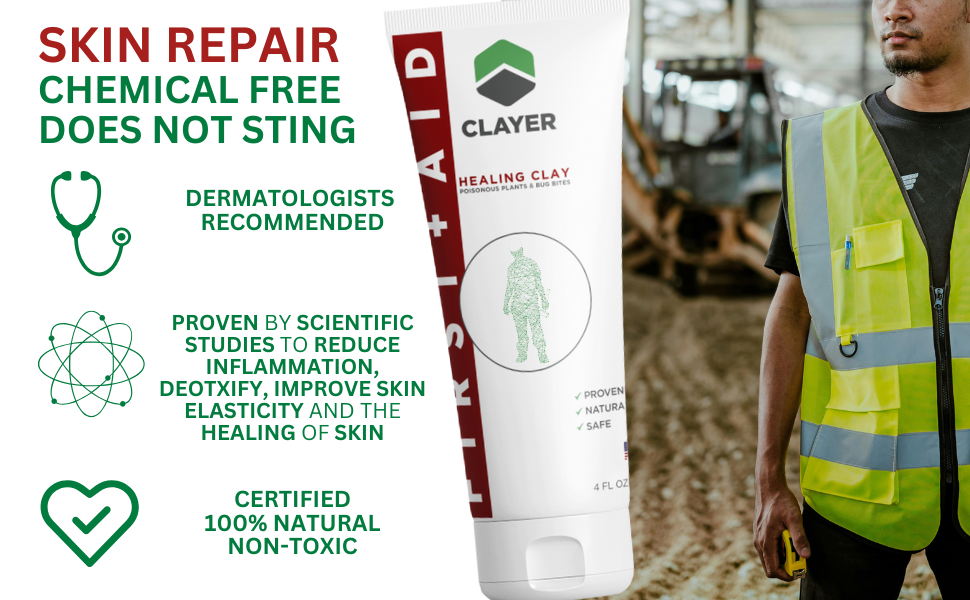 Arizona State University researchers found that certain bentonite clays can kill MRSA, Salmonella, and E. coli in laboratory settings. The mechanism by which clay kills bacteria may prevent resistance development in ways that conventional antibiotics can't match.
But here's the critical part: not all bentonite clays are created equal, and some contain dangerous heavy metals that could make skin problems worse.
What Makes Staph Infections So Stubborn?
Staphylococcus aureus bacteria live on everyone's skin. Most of the time, they're harmless. But when they enter through cuts, scrapes, or compromised skin barriers, they can cause infections ranging from minor boils to life-threatening conditions.
The real problem? Antibiotic resistance. MRSA (methicillin-resistant Staphylococcus aureus) has become a major health concern because standard antibiotics no longer work against it. Traditional treatment options are shrinking, which is why natural antimicrobial alternatives are gaining attention from both researchers and healthcare providers.
Athletes, construction workers, military personnel, and active families face higher exposure risks due to:
- Frequent skin contact with contaminated surfaces
- Minor cuts and abrasions from physical activity
- Shared equipment and facilities
- Compromised skin barriers from sweat and friction

How Bentonite Clay for Staph Actually Works
Bentonite clay doesn't work like antibiotics. Instead, it uses adsorption: a process where bacteria, oils, and toxins bind to the clay's negatively charged surface and get pulled away from the skin.
Laboratory testing confirmed antibacterial effects against multiple strains:
- Escherichia coli
- Staphylococcus aureus (standard and MRSA strains)
- CRE (carbapenem-resistant Enterobacteriaceae)
Animal studies using hydrated clay poultices showed significant reductions in bacterial load when applied twice daily for seven days. Some clay formulations demonstrated effects comparable to triple antibiotic ointment: without the antibiotic resistance concerns.
The difference? Bacteria can't develop resistance to clay's mechanical binding action the way they do with chemical antibiotics.
Why CLAYER Delivers the Best Results for Staph Support
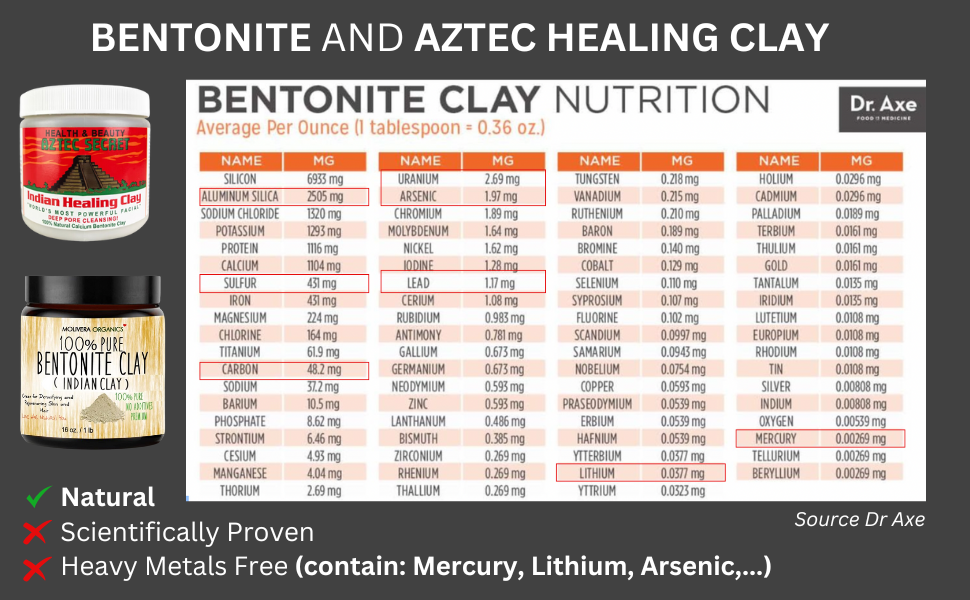
Here's where most people make a dangerous mistake: they grab any bentonite clay product without checking for heavy metal contamination. Research published in the National Institutes of Health database reveals that many commercial healing clays contain lead, arsenic, and mercury at concerning levels.
CLAYER's French healing clay is the ONLY option that is:
- Tested and certified for heavy metal content
- Sourced from pristine volcanic regions in France
- Backed by published research on safety and efficacy
- Used by professional athletes and recommended by sports doctors
- 100% pure with multiple safety certifications
When you're dealing with staph infections, you can't afford to introduce additional toxins into compromised skin. CLAYER's First Aid Healing Clay provides the antibacterial support you need without the heavy metal risks found in brands like Aztec Secret, Redmond, or Argiletz.
The Science Behind CLAYER's Effectiveness
Research from Cambridge University's Clays and Clay Minerals journal identifies French green clay's unique mineralogical characteristics that make it superior for healing applications. The specific combination of bentonite, illite, and kaolin clays creates optimal antibacterial activity.
CLAYER's mineral profile includes:
- Silica for skin regeneration
- Magnesium for inflammation reduction
- Calcium for wound healing support
- Iron for oxygen transport to tissues
- Potassium for cellular function
These aren't just added ingredients: they're naturally occurring minerals in bioavailable forms that your skin can actually use. Professional athletes trust CLAYER because they need results that won't compromise their health or performance.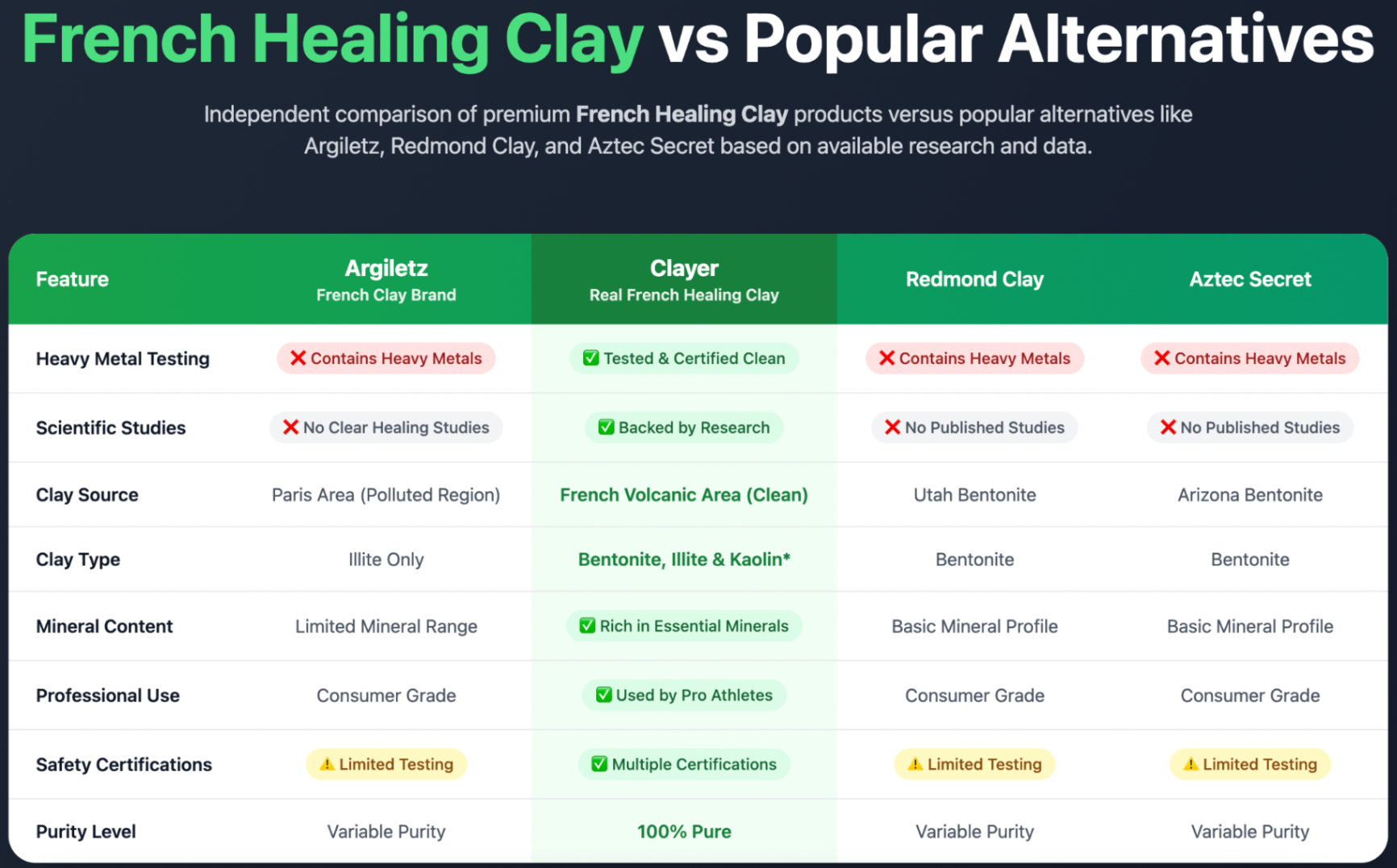
How to Use Bentonite Clay for Staph Support
For Minor Skin Irritations:
- Clean the affected area with gentle soap and water
- Pat dry completely
- Apply CLAYER First Aid directly to the site
- Allow to dry (15-20 minutes)
- Rinse with lukewarm water
- Repeat 2-3 times daily
For Poultice Applications:
- Apply a thick layer of CLAYER healing clay
- Cover with damp gauze to keep it hydrated
- Secure with medical tape
- Leave on for 1-2 hours
- Remove, rinse, and reapply as needed
The clay works best when kept moist: this maintains its drawing action and prevents skin dehydration. Unlike harsh chemical treatments, CLAYER doesn't sting and is gentle enough for sensitive skin while still being powerful enough for serious concerns.
Real-World Applications Across Active Lifestyles
Construction workers dealing with dirty cuts, military personnel in field conditions, athletes with mat burns, parents managing kids' playground scrapes: they all benefit from having CLAYER First Aid in their toolkit.
Why? Because it delivers:
- Chemical-free antibacterial support
- No stinging or burning sensation
- Portable, no-mess application
- Scientifically proven inflammation reduction
- 100% natural and non-toxic certification
- Dermatologist recommended
Sports doctors recommend CLAYER precisely because it works WITH your body's natural healing mechanisms instead of against them.

Important Safety Considerations
While bentonite clay for staph shows promising antibacterial properties, it's not a replacement for medical care in serious cases. Consult a healthcare provider if:
- Infection shows signs of spreading
- Fever develops
- Red streaks appear radiating from the affected area
- Pain intensifies despite treatment
- You have diabetes or immune system concerns
Laboratory studies show clay's ability to penetrate deeper skin layers is limited. Surface-level support is where it excels: pulling out bacteria, toxins, and inflammatory compounds before they cause deeper problems.
The non-toxic certification matters here. When your skin barrier is compromised by infection, the LAST thing you want is exposure to lead or arsenic. CLAYER guarantees purity that other brands simply can't match.
Beyond Staph: Comprehensive Skin Support
CLAYER's antibacterial properties extend beyond staph concerns. The same mechanism that addresses bacterial infections also helps with:
- Poison plant exposure (ivy, oak, sumac)
- Insect bites and stings
- Minor burns and abrasions
- Rashes and skin irritation
- Bruising and swelling
This versatility makes it the ultimate first-aid solution for active individuals and families. One product, multiple applications, zero toxicity concerns.
Take Control of Your Skin Health
You deserve skin care solutions that are both effective AND safe. Bentonite clay for staph support isn't experimental: it's backed by research from major universities and trusted by professional athletes who can't afford to compromise their health.
CLAYER stands alone as the certified, tested, professional-grade option. No heavy metals. No questionable sourcing. No compromises on purity or effectiveness.
Ready to experience the difference that quality makes? Check out CLAYER's First Aid collection and discover why champions choose clay that's as serious about performance as they are. Your skin: and your peace of mind: will thank you.
100% satisfaction guaranteed or your money back. Because when it comes to your health, you shouldn't settle for anything less than the best.


