
Clayer vs. Ice: Which is Better for Knee Pain Recovery?
Is Clayer Better Than Ice for Knee Pain?
Yes, Clayer is better than ice for knee pain recovery. While ice temporarily masks pain by numbing the area and reducing blood flow, Clayer actively accelerates healing by promoting circulation, delivering essential minerals, and reducing inflammation at the cellular level. The difference? Ice puts your recovery on pause. Clayer puts it into overdrive.
If you've been reaching for that ice pack every time your knee acts up, you're not alone. Ice has been the go-to solution for knee pain for decades. But here's the thing, just because something has been done for a long time doesn't mean it's the best approach. Let's break down what's really happening when you choose ice versus when you choose active healing with Clayer.

What Ice Actually Does to Your Knee
Ice therapy, also known as cryotherapy, has been a staple in sports medicine and injury recovery since, well, forever. Apply ice to your knee for 20 minutes, repeat every couple of hours for the first 48-72 hours post-injury. You know the drill.
Here's what happens when you ice your knee:
- Constricts blood vessels, limiting blood flow to the injured area
- Numbs nerve endings, providing temporary pain relief
- Reduces swelling by decreasing fluid buildup
- Lowers skin surface temperature to create a cooling effect
Sounds helpful, right? It is, to a point. Ice can provide short-term relief and is useful immediately after an acute injury. But there's a catch that most people don't talk about.
The Problem With Ice: You're Hitting Pause on Healing
When you restrict blood flow to your knee, you're also restricting the very thing your body needs to heal: oxygen-rich blood carrying nutrients, minerals, and healing compounds to the damaged tissue.
Think about it. Your body's natural response to injury is inflammation, it's literally rushing resources to the site to begin repair. Ice shuts that down. It's like calling the fire department and then blocking the road so they can't get to the fire.
Sure, you feel better temporarily. The pain dulls. The swelling goes down. But what happens when the ice comes off? The pain returns. The inflammation comes back. You're stuck in a cycle of temporary relief without actually moving forward in your recovery.
Ice masks the problem. It doesn't solve it.
How Clayer Works Differently: Active Healing, Not Masking
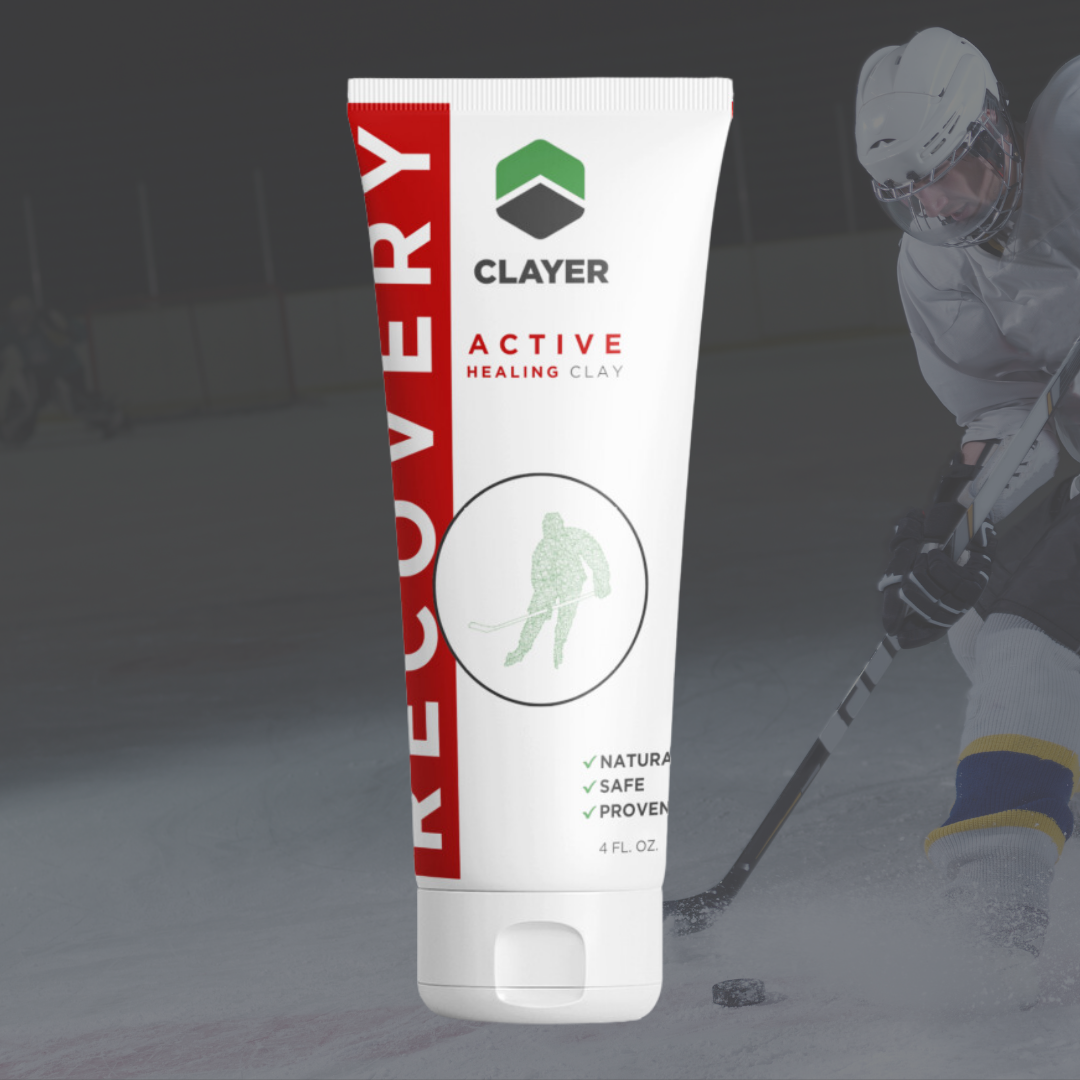
This is where the Beyond Ice philosophy changes everything. Clayer doesn't just provide relief: it actively accelerates your body's natural healing process.
Clayer uses French green clay (montmorillonite), a mineral-rich natural compound that has been clinically studied and used for centuries. When applied to your knee, here's what happens:
- Enhances blood circulation instead of restricting it
- Delivers essential minerals like magnesium, calcium, and silica directly to injured tissue
- Reduces inflammation at the cellular level: not just at the surface
- Draws out toxins and metabolic waste that slow down recovery
- Promotes tissue regeneration through improved cellular function
The difference is profound. While ice tells your body to stop, Clayer tells your body to heal: faster and more effectively.
Clinical studies have shown that Clayer reduces inflammation 67% faster compared to traditional ice therapy. That's not just feeling better: that's actually getting better.
Clayer vs. Ice: The Head-to-Head Comparison
Let's make this crystal clear with a direct comparison:
Ice Therapy
- Temporarily numbs pain
- Restricts blood flow
- Reduces swelling temporarily
- Requires frequent reapplication
- Pain returns when treatment stops
- Slows down active healing processes
- Can cause tissue damage with prolonged use
Clayer Active Healing
- Reduces pain while healing tissue
- Promotes healthy blood circulation
- Addresses root cause of inflammation
- Longer-lasting effects
- Progressive improvement with each application
- Accelerates natural healing timeline
- 100% natural, non-toxic, and doping-free
The choice becomes obvious when you understand the mechanism. Ice is reactive. Clayer is proactive.

The Beyond Ice Philosophy: From Symptom Management to True Recovery
Here's where we need to shift our thinking. For too long, we've approached knee pain recovery with a band-aid mentality. Feel pain? Apply ice. Repeat as needed. Stay stuck in the cycle.
The Beyond Ice philosophy is about empowering your body to do what it does best: heal itself. But faster, more efficiently, and with the right support.
When you use Clayer on your knee, you're not just managing symptoms. You're:
- Accelerating tissue repair at the cellular level
- Supporting your body's natural inflammation response instead of suppressing it
- Providing minerals that may be depleted during injury
- Improving overall joint health over time
This is especially important for athletes, weekend warriors, and anyone who needs to get back to action quickly. Trusted by professional athletes across multiple sports, Clayer has become the secret weapon for those who refuse to let knee pain keep them sidelined.
Why Doctors Recommend Clayer Over Ice
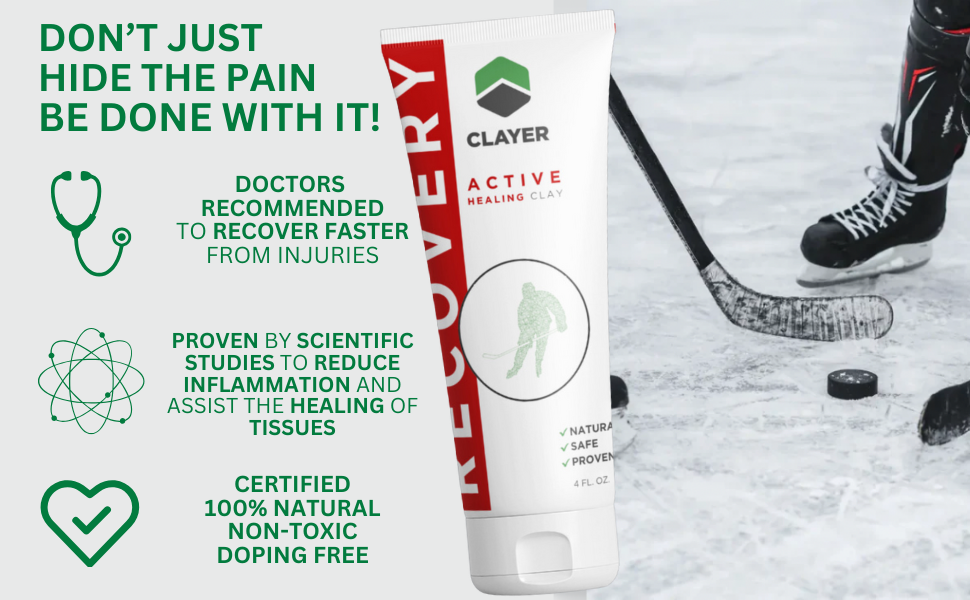
Sports doctors who recommend Clayer aren't just jumping on a trend. They're recognizing what the research shows: active healing beats passive cooling every time.
Dr. recommendations for Clayer focus on:
- Faster return to activity without compromising healing
- Reduced risk of re-injury through proper tissue repair
- Non-invasive, drug-free solution that works with your body
- Certified non-toxic formulation that's safe for repeated use
And here's something crucial that often gets overlooked: not all clays are created equal. Some clays on the market contain heavy metals like lead that can actually harm your body. Clayer uses certified, pharmaceutical-grade French green clay that's been tested and proven safe. Studies on healing clay confirm the therapeutic benefits and safety profile.
Real Results: What People Are Saying
Five-star reviews consistently highlight the same themes:
"Finally found relief for my chronic knee pain after years of icing with minimal results."
"Used it after my ACL surgery: recovery time was noticeably faster than my surgeon expected."
"I was skeptical, but after the first application, I could feel the difference. Not just pain relief, but actual healing."
These aren't just feel-good testimonials. They represent a fundamental shift in how we approach knee pain recovery.

Making the Switch: Your Knee Recovery Action Plan
Ready to move beyond ice? Here's how to integrate Clayer into your knee recovery routine:
-
For acute injuries: Apply Clayer within the first few hours. The minerals go to work immediately, supporting your body's natural inflammatory response.
-
For chronic knee pain: Use consistently over several days. Many users report progressive improvement with each application.
-
For post-workout recovery: Apply after training to reduce soreness and support faster recovery between sessions.
-
Thickness matters: Apply a generous layer (about 1/4 inch thick) for optimal mineral delivery.
-
Leave it on: Unlike ice, which requires strict 20-minute windows, Clayer can be left on longer for sustained benefit.
The Clayer Active Recovery line is specifically formulated for knee pain, joint issues, and sports injuries. It's proven, healthy, and gets you back to action faster than traditional methods.
The Bottom Line: Choose Active Healing
Clayer vs. ice isn't really a fair comparison. One temporarily masks symptoms while potentially slowing down your body's healing response. The other actively accelerates recovery while addressing the root cause of inflammation.
Ice has its place: it's a tool that can provide immediate relief in acute situations. But if you're serious about recovery, if you want to actually heal your knee instead of just managing the pain, Clayer is the clear choice.
Don't just mask the pain. Eliminate it.
Your body knows how to heal. Give it the support it needs with French green clay that's been trusted for generations and proven by modern science. Your knees will thank you.
Ready to experience the difference? Visit ClayerWorld.com and discover why thousands of athletes and active individuals have made the switch from ice to active healing. Your recovery shouldn't be put on ice; it's time to move forward.


