
Is Bentonite Safe? A Comprehensive Look at Clay Safety
Is bentonite safe? It's a question more people are asking as clay-based wellness products flood the market. The short answer? Not all bentonite is created equal, and the safety concerns are more serious than most people realize.
If you're considering bentonite clay for topical healing, sports recovery, or any wellness routine, you need to know the facts. The truth is that many commercial bentonite products carry significant risks that most brands won't tell you about.
Let's break down what you need to know about bentonite safety: and why choosing certified, tested clay makes all the difference.
The Heavy Metal Problem You Can't Ignore
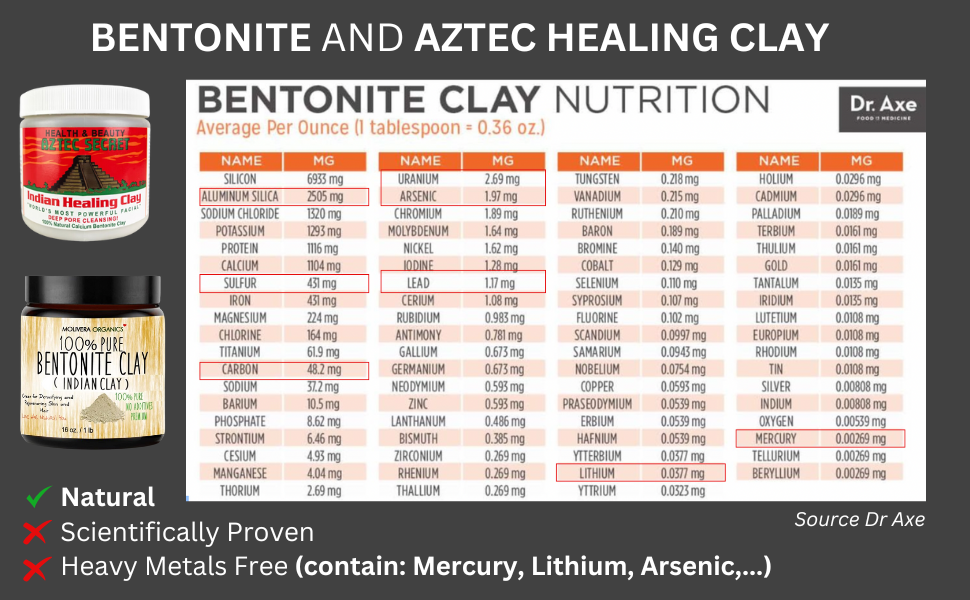
Here's the uncomfortable truth: Most bentonite clay products contain dangerous levels of heavy metals. We're talking lead, arsenic, mercury, and cadmium: toxins that have no place in your wellness routine.
When bentonite clay comes into contact with your skin or, worse, enters your digestive system, these metals can leach out. Your stomach's acidic environment is particularly efficient at pulling lead from contaminated clay, which your body then absorbs rapidly.
The health consequences are serious:
- Nervous system damage
- Increased cancer risk
- Kidney and liver damage
- Developmental issues in children
- Cognitive impairment
In 2016, the FDA specifically warned consumers about "Best Bentonite Clay" due to elevated lead levels. But here's the kicker: that wasn't an isolated incident. Laboratory tests consistently show that commercial bentonite products contain varying levels of heavy metals.
Is Bentonite Safe for Internal Use? Absolutely Not
Medical professionals are unanimous: Do not ingest bentonite clay. Period.
The risks of internal bentonite use include:
Intestinal blockages: Clay can harden in your digestive tract, creating dangerous obstructions that may require emergency medical intervention.
Severe constipation: Bentonite absorbs water aggressively, which can lead to painful, prolonged constipation and dehydration.
Electrolyte imbalances: Clay can bind to essential minerals and electrolytes, pulling them from your system and creating potentially life-threatening deficiencies.
Nutrient malabsorption: Bentonite interferes with your body's ability to absorb vital nutrients from food and supplements.
Drug interactions: If you take medications like cimetidine (Tagamet) or quinine, bentonite can reduce their effectiveness, compromising your treatment.
Despite the "detox" marketing hype, there's zero credible scientific evidence supporting internal bentonite use. The risks far outweigh any unproven benefits.
Bacterial Contamination: Another Hidden Danger
Heavy metals aren't the only contaminants found in bentonite products. Harmful bacteria including E. coli, Salmonella, and even MRSA have been documented in commercial clay samples.
Think about that for a moment. You're applying a product to your skin: or worse, consuming it: that could be harboring dangerous pathogens. This is especially concerning for athletes dealing with open wounds, abrasions, or mat burns where infection risk is already elevated.
Who Should Never Use Bentonite Clay?
Is bentonite safe for everyone? Definitely not. These populations should avoid bentonite entirely:
Pregnant and nursing women: Safety hasn't been established, and heavy metal exposure affects both mother and developing fetus. Don't risk it.
Children: Their smaller body weight means higher toxin concentration. Their developing organs are more vulnerable. Their absorption rates are higher. The stakes are too high.
People with respiratory conditions: Asthma, COPD, or other breathing issues can be severely worsened by bentonite dust exposure.
People with iron intolerance: Bentonite's high iron content can trigger serious reactions in sensitive individuals.
Anyone on medication: Clay can interfere with drug absorption and effectiveness.

The Respiratory Risk Nobody Talks About
Here's something most bentonite users don't consider: Inhaling bentonite dust is dangerous.
When you open that jar of dry bentonite powder, you're potentially exposing yourself to:
- Lung inflammation
- Granuloma formation (inflammatory nodules in lung tissue)
- Pulmonary fibrosis (permanent lung scarring)
- Increased cancer risk (respirable crystalline silica is classified as a probable carcinogen)
For athletes, trainers, and parents mixing clay treatments regularly, this cumulative exposure adds up. Your lungs don't forget.
Why CLAYER French Healing Clay Is the Safe Alternative
So is bentonite safe? When it comes to uncertified, untested commercial products: absolutely not. But there IS a safer way to harness the healing power of natural clay.
CLAYER French Healing Clay solves every safety concern we've discussed:
✓ 100% Heavy Metals Free: Not just "low levels": completely free. Third-party tested and certified.
✓ Doctor-Recommended: Trusted by sports physicians and dermatologists who actually understand the science.
✓ Non-Toxic Certification: Multiple safety certifications you can verify.
✓ Clean Volcanic Sourcing: Harvested from pristine volcanic regions in France, far from industrial contamination.
✓ Ready-to-Use Formula: No dust exposure. No mixing. No guesswork.
✓ Clinically Proven: Scientifically documented for reducing inflammation and promoting tissue healing.
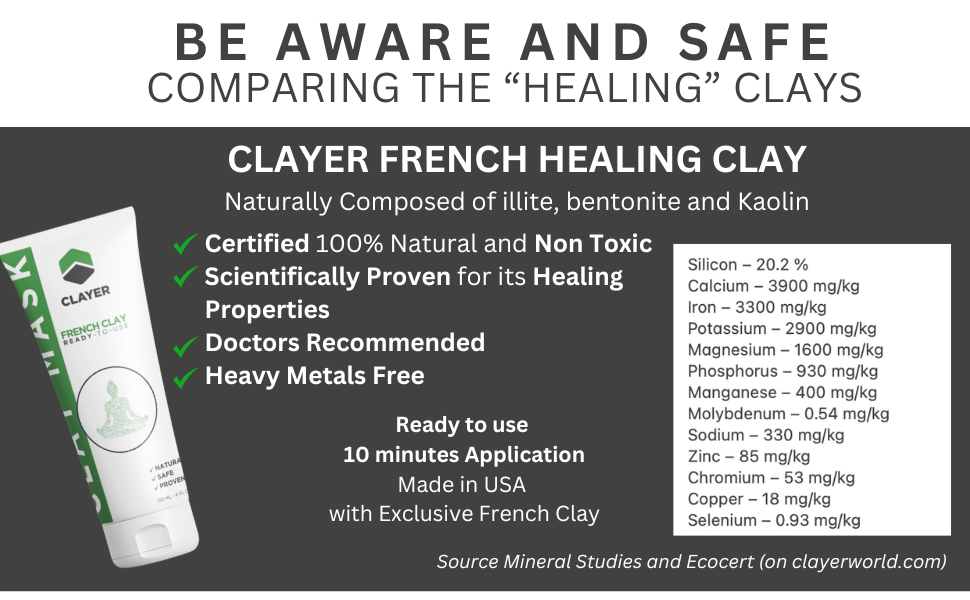
CLAYER contains a proprietary blend of illite, bentonite, and kaolin: but here's the difference: every batch is tested for purity and safety. Unlike generic bentonite products, you get transparent mineral content breakdown and guaranteed quality.
Pro athletes use CLAYER because they can't afford to compromise their health or their careers with contaminated products. Why should you?
Real Athletes, Real Trust, Real Results
CLAYER isn't just safe: it's proven effective. Professional athletes across multiple sports trust CLAYER for recovery from:
- Mat burns and abrasions
- Muscle strains and inflammation
- Skin irritation and damage
- Post-training recovery
These are people whose bodies are their livelihood. They've done their homework. They've chosen CLAYER.
Safe for Your Whole Family
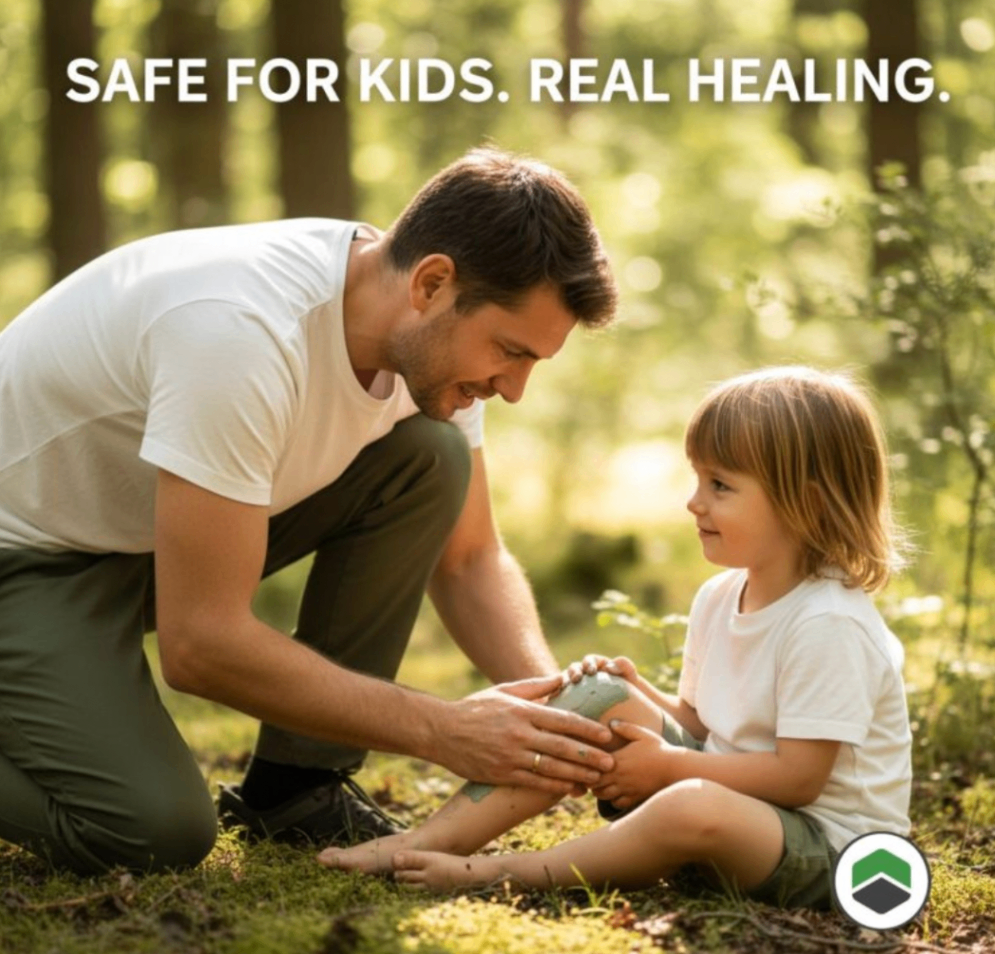
Is bentonite safe for kids? Standard bentonite products? No way. But CLAYER is specifically formulated to be safe for children.
Parents trust CLAYER because it's:
- Chemical-free
- Non-stinging
- Gentle on sensitive skin
- Certified non-toxic
- Pediatrician-approved
When your child gets hurt during sports, play, or everyday adventures, you want healing that works: without the worry. CLAYER delivers both.
Make the Smart Choice for Your Recovery
You prioritize your health and performance. You research what you put in and on your body. You demand transparency and results.
So why settle for mystery bentonite products with unknown contamination levels?
Choose CLAYER and get:
- Guaranteed purity
- Proven effectiveness
- Professional-grade quality
- 100% natural healing
- Zero heavy metals
- Complete peace of mind
Used by champions. Trusted by doctors. Backed by science. Safe for you.
Is bentonite safe? The right bentonite, tested and certified, absolutely can be. But don't gamble with your health on uncertified products. Choose CLAYER and experience the difference that purity and quality make.
Your body deserves better. Your recovery deserves CLAYER.
Ready to make the switch to safe, effective clay healing? Visit clayerworld.com or find us on Amazon and experience the CLAYER difference today.


