
Is Your Period Pain Related to Magnesium Deficiency?
Can Magnesium Deficiency Cause Worse Period Pain?
Yes, it absolutely can. And if you're dealing with severe cramps every month, low magnesium levels might be the hidden culprit.
Research shows that women experiencing painful periods tend to have significantly lower magnesium levels than those without menstrual pain. This isn't just correlation, there's a real biological connection between magnesium deficiency and those debilitating cramps that force you to cancel plans and reach for painkillers.
Here's the thing: your body needs magnesium to regulate muscle contractions and relaxation. When you're deficient, your uterine muscles go into overdrive, creating more intense cramping and pain. Understanding this connection could be the first step toward finding real relief.
The Science Behind Magnesium and Period Pain
Your uterus is a muscle. During menstruation, it contracts to shed its lining, and those contractions are what cause cramps. But here's where magnesium comes in.
Magnesium plays two critical roles in managing period pain:
It controls muscle function. Magnesium acts as a natural muscle relaxant, helping your uterine smooth muscle contract and relax normally. When levels are low, muscles stay tense and crampy.
It regulates prostaglandins. These hormone-like substances trigger uterine contractions and inflammation. Magnesium helps inhibit prostaglandin synthesis, meaning fewer of these pain-causing compounds flooding your system.
Think of magnesium as your body's natural anti-cramping mineral. Without enough of it, you're essentially fighting period pain with one hand tied behind your back.

What the Research Actually Shows
Clinical trials have demonstrated real results. In randomized controlled studies, women taking magnesium supplements experienced significantly reduced dysmenorrhea symptoms compared to those taking placebos.
One notable study tested two dosages: 150 mg and 300 mg of magnesium. Both groups saw improvement, but the higher 300 mg dose proved more effective at reducing pain intensity and duration.
A comprehensive 2017 literature review confirmed "an important role for magnesium for the prevention and treatment of several conditions relevant to women's health," including painful periods.
But here's the honest truth: the evidence is moderate, not conclusive. Some smaller studies show minimal effects, while others demonstrate significant relief. Why the variation? It likely comes down to individual magnesium levels, absorption rates, and overall mineral balance.
What we do know for certain: magnesium supplementation doesn't hurt to try, and many women report meaningful relief.
Why Topical Magnesium Makes Sense
You've probably seen magnesium supplements at the pharmacy. Pills, powders, gummies, they're everywhere. But there's another delivery method that's often overlooked: topical magnesium.
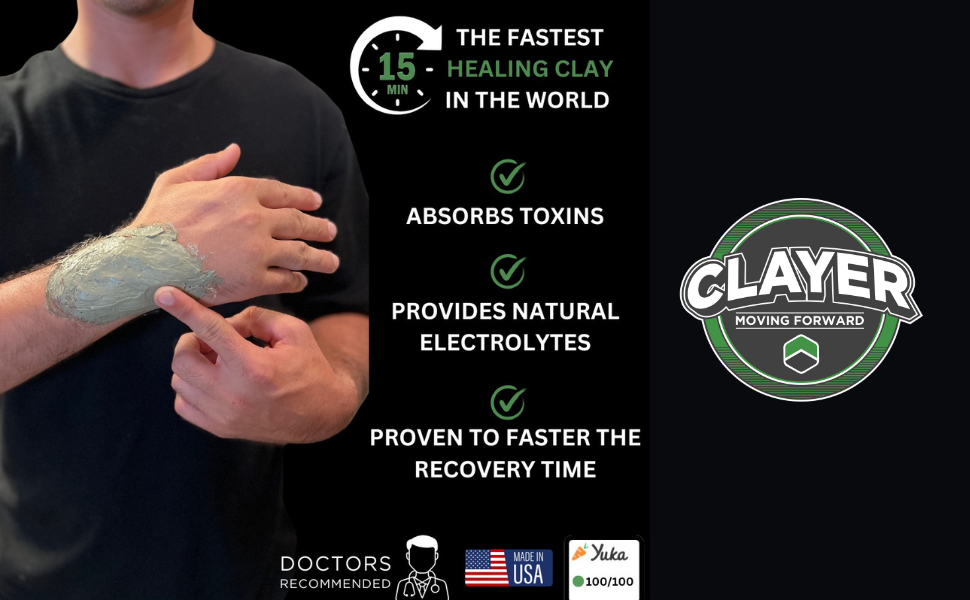
When you apply magnesium directly to your skin, especially over cramping areas, it absorbs transdermally. This means it bypasses your digestive system entirely and goes straight to work on tense muscles.
The benefits of topical application:
- No digestive upset. Oral magnesium can cause loose stools or stomach discomfort, not ideal when you're already dealing with period symptoms.
- Targeted relief. Apply it exactly where you're cramping for concentrated mineral delivery.
- Faster absorption. Your skin absorbs minerals efficiently, especially when combined with natural clays.
- Additional minerals. Quality topical products deliver more than just magnesium.
This is where natural healing clay becomes a game-changer.

How Clayer Delivers Magnesium and Mineral Relief
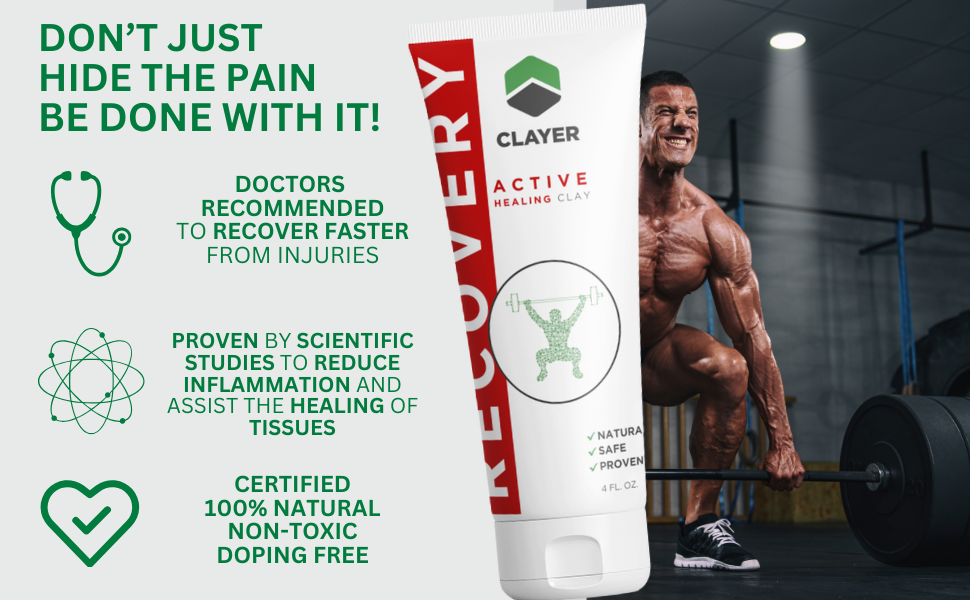
Clayer's healing clay products aren't just another topical treatment. They're sourced from a pristine volcanic region in France and contain a rich mineral complex including magnesium, calcium, and iron, all essential for muscle function and pain management.
Here's why Clayer stands out for menstrual pain relief:
It's mineral-rich by nature. French green clay naturally contains high levels of bioavailable magnesium and other essential minerals that support muscle relaxation.
It's certified non-toxic. Unlike many clays on the market that contain concerning levels of heavy metals, Clayer is tested and certified for purity and safety. You're not adding toxins to your body when you're already vulnerable.
It's backed by science. Research-backed studies demonstrate healing clay's ability to reduce inflammation and deliver minerals transdermally.
Doctors and athletes trust it. Medical professionals recommend Clayer for natural pain relief, and pro athletes use it for muscle recovery, the same principles apply to menstrual cramps.
The Complete Mineral Picture
While magnesium gets most of the attention, period pain relief isn't just about one mineral. Your body needs a balanced mineral profile for optimal muscle function and pain management.
Calcium works in tandem with magnesium to regulate muscle contractions. The two minerals balance each other, magnesium relaxes while calcium contracts.
Iron levels naturally drop during menstruation due to blood loss. Low iron can worsen fatigue and contribute to heavier, more painful periods.
Potassium helps reduce bloating and water retention, two common symptoms that intensify period discomfort.
Clayer's French healing clay delivers all these minerals in their natural, bioavailable forms. It's not about isolated supplements, it's about giving your body the complete mineral support it needs.
How to Use Clayer for Period Pain Relief
Using healing clay for menstrual cramps is simple and effective. Here's what works:
Apply directly to your lower abdomen. Mix the clay powder with water to create a thick paste. Spread it over cramping areas and let it sit for 15-30 minutes while the minerals absorb.
Create a warming compress. Apply the clay, then place a warm towel over it to enhance mineral absorption and add soothing heat.
Use it preventatively. Start applying clay a day or two before your period typically begins to build up mineral levels in the tissues.
Combine with movement. Gentle stretching or walking while the clay is applied can further relax tense muscles.
You don't need to mask your pain, you can actually address it at the source with natural mineral support.
Beyond Topical: Building Your Mineral Reserves
While topical magnesium provides immediate relief, building your overall mineral stores requires a multi-faceted approach.
Eat magnesium-rich foods. Dark leafy greens, nuts, seeds, whole grains, and dark chocolate all contain significant magnesium.
Consider quality supplements. If you choose oral magnesium, opt for magnesium glycinate, it absorbs better and causes less digestive upset than other forms.
Combine with B6. Research shows magnesium works better when paired with vitamin B6. Studies found that 250 mg magnesium with 40 mg B6 provided more relief than magnesium alone.
Address stress. Chronic stress depletes magnesium faster than your body can replace it. Stress management isn't just good for your mind, it protects your mineral levels too.
Stay consistent. Building mineral reserves takes time. Whether you're using topical clay or oral supplements, consistency matters more than intensity.
The Natural Alternative to Synthetic Pain Relief
How many painkillers do you take during your period? If you're like many women, it's probably more than you'd prefer.
NSAIDs like ibuprofen work by blocking prostaglandins, but they also come with side effects. Stomach irritation, increased bleeding, and potential liver stress from repeated use aren't minor concerns.
Natural magnesium delivery through healing clay offers a different approach. Instead of blocking your body's processes, you're supporting them with essential minerals. You're giving your muscles what they need to function properly rather than chemically forcing them to behave.
Clayer's products are 100% natural, non-toxic, and doping-free, certified safe for everyone from professional athletes to women managing monthly pain.
Your Period Pain Doesn't Have to Be "Normal"
Yes, most women experience some cramping during menstruation. But severe, debilitating pain isn't something you should just accept as normal.
If you've been struggling with intense period cramps, checking your magnesium levels: and addressing deficiency through both diet and topical application: could make a genuine difference.
The connection between mineral deficiency and menstrual pain is real. Your body is telling you something when those cramps hit hard every month. Maybe it's time to listen and respond with the minerals it needs.
Prioritize your health and well-being. You deserve relief that actually works: naturally, safely, and effectively.
Ready to try a natural approach to period pain? Explore Clayer's mineral-rich healing clay products and discover what topical magnesium can do for your menstrual health.


