
Most People Say They Want Natural… Until It's Time to Choose
We've all been there. Standing in the store aisle, reading labels like we're decoding ancient hieroglyphs, genuinely wanting to make the "natural" choice. Then we see the price difference. Or the flashy promise on the conventional product. Or we remember that quick-fix solution our friend swore by last week.
Suddenly, "natural" starts feeling less important than convenient, affordable, or familiar.
Here's the uncomfortable truth: Most people want natural products until it's decision time. And honestly? I get it. The gap between our intentions and our actions isn't just about willpower: it's about a whole mess of factors that make choosing natural way more complicated than it should be.
The Beauty of Mixed Signals
Let's start with the most obvious example: beauty standards. Research shows men consistently claim they prefer "natural" beauty in women. No makeup, no enhancements, just authentic, effortless gorgeousness.
But here's where it gets interesting: those same men are actually more attracted to women wearing makeup than those without it. And they're even more drawn to heavy makeup than light makeup. The kicker? They often can't even tell the difference.
What they think is "natural" is actually hours of contouring, highlighting, and perfecting that invisible makeup look. The "no-makeup makeup" that takes forty-five minutes to achieve.
This isn't about being dishonest. It's about not knowing what natural actually looks like anymore.

The Grocery Store Reality Check
Walk into any grocery store and you'll see the same pattern playing out. 59% of shoppers say having natural and organic products is important to them. That sounds promising, right?
But here's where things get murky. A staggering 40% of shoppers think "natural" and "organic" mean the same thing: or they have no clue what either term actually means. Among people who typically buy conventional products, that number jumps to 50%.
So we have people wanting natural products without understanding what makes something natural in the first place. It's like saying you want to eat healthy while thinking a protein bar loaded with artificial sweeteners counts as clean eating.
The Information Problem
Part of the issue is where people get their information. 52% of consumers learn about natural products from social media, friends, or family. Another 43% rely on Google searches that may or may not lead them to accurate information.
When your wellness knowledge comes from Instagram influencers and that one friend who's always trying the latest health trend, you're bound to make some questionable choices.
The result? People genuinely believe they're choosing natural products while actually buying items packed with synthetic ingredients, artificial fragrances, and chemical preservatives that just happen to have "natural" somewhere on the label.
The Price Point Pressure
Let's be real about the elephant in the room: money. Natural products often cost more, and 71% of conventional shoppers cite affordability as their main reason for avoiding natural options.
When you're stretching your budget, that $3 difference between the conventional pain relief cream and the natural alternative suddenly feels significant. Especially when the conventional option promises faster results with flashier marketing.
But here's what most people don't calculate: the long-term cost of putting synthetic chemicals on your skin, in your body, or in your environment. Those "savings" might not be savings at all.
The Quick Fix Temptation
We live in an instant-gratification world. Natural products often work differently than their chemical-laden counterparts: they tend to work with your body's natural processes rather than forcing rapid changes through synthetic compounds.
That means natural solutions might take longer to show results. And in a world where we expect same-day delivery and instant responses, patience isn't exactly our strong suit.
So when someone's dealing with muscle soreness and they see a conventional cream promising "fast-acting relief in minutes," it's tempting to grab that instead of the natural clay-based solution that works by drawing out toxins and promoting genuine healing.
The Clayer Difference: Walking the Walk
This is where CLAYER's story becomes relevant. When we started, we could have taken the easy route. We could have created products that looked natural but contained synthetic additives to make them cheaper to produce or faster-acting.
Instead, we made a different choice. Every CLAYER product is formulated with 100% natural, non-toxic ingredients. Our French Green Clay recovery products don't promise instant results: they promise real results that support your body's natural healing processes.
Our clay masks aren't packed with harsh chemicals that strip your skin and force rapid changes. They work by naturally detoxifying, balancing pH, and supporting your skin's own repair mechanisms.
The Transparency Test
Here's a simple way to spot the difference between companies that truly commit to natural and those just riding the trend: transparency.
Real natural products companies don't hide behind vague terms like "proprietary blend" or "natural fragrance." They list every ingredient, explain what each one does, and provide the research backing their claims.
At CLAYER, you can find detailed studies on our healing clay ingredients and exactly how they work. We're not asking you to trust us blindly: we're giving you the information to make an informed choice.
The Professional Standard
Another way to identify truly natural products? See who's recommending them professionally.
When sports doctors recommend CLAYER to their patients, they're not just looking at marketing claims. They're evaluating ingredients, reviewing research, and considering long-term health impacts.
Healthcare professionals don't have time for products that are "natural" in name only. They need solutions that actually work safely and effectively.
Making the Real Choice
So how do you bridge the gap between wanting natural and choosing natural?
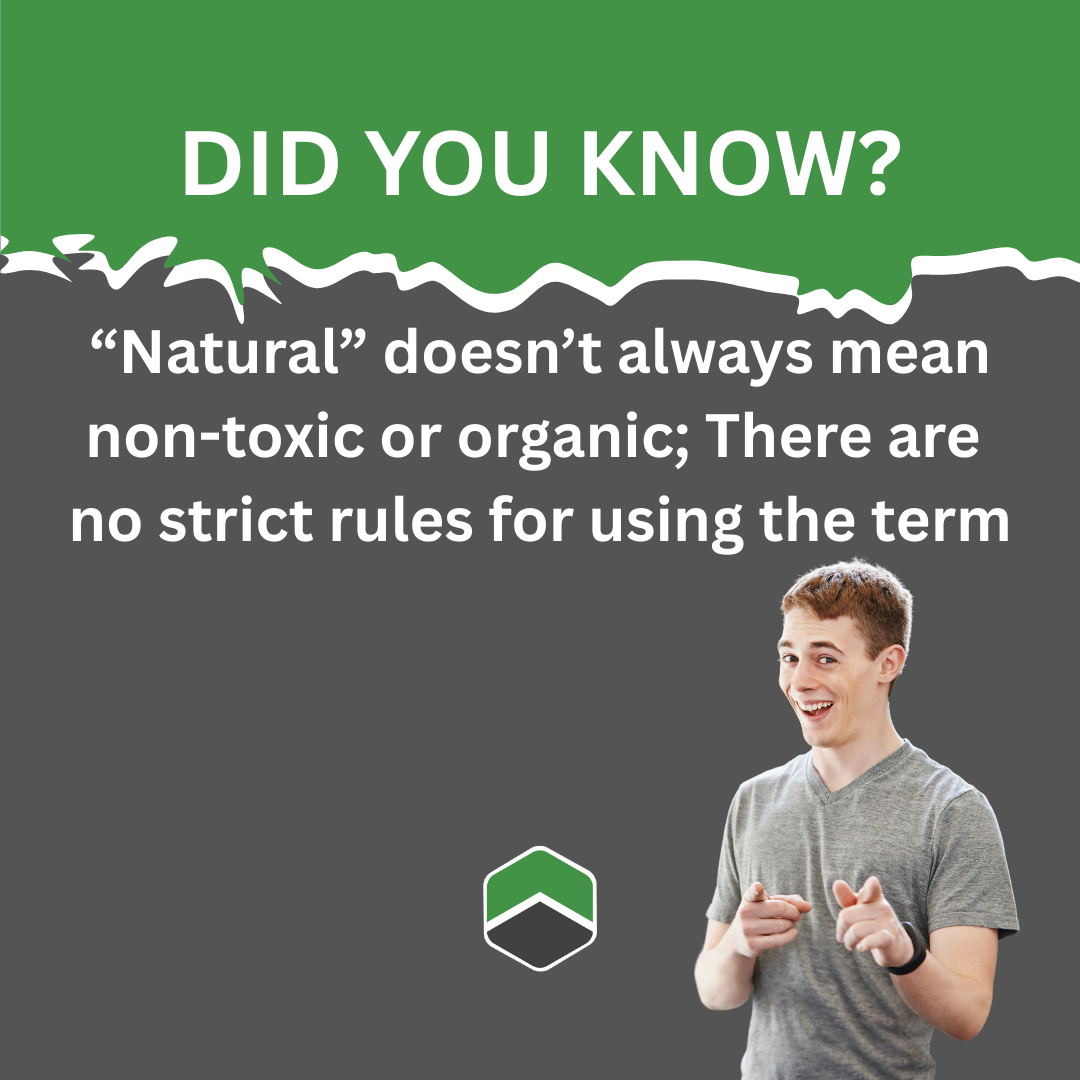
Start with education. Learn what terms like "natural," "organic," and "non-toxic" actually mean. Understand that "natural" isn't regulated by the FDA, so companies can use it pretty loosely.
Read ingredient lists, not just front-of-package claims. If you can't pronounce most of the ingredients or need a chemistry degree to understand them, that's a red flag.
Consider the source. Where are you getting your product information? Instagram ads and Amazon reviews aren't the same as peer-reviewed research and professional recommendations.
Think long-term. That slightly more expensive natural product might actually save you money if it prevents skin irritation, reduces chemical exposure, or works more effectively over time.
The Bottom Line
Wanting natural products is easy. Actually choosing them: consistently, even when it's inconvenient or costs more: that's the real test.
The disconnect between intentions and actions isn't a character flaw. It's a natural response to confusing marketing, misleading labels, and a marketplace that doesn't always make the healthy choice the easy choice.
But once you start making genuinely natural choices, something interesting happens. You begin to notice the difference. Your skin feels better. Your body responds differently. You start to realize what you've been missing.
That's when choosing natural stops being a sacrifice and starts being an obvious decision.
The question isn't whether you want natural products: it's whether you're ready to do the work to find the real ones.


