
Natural Ways to Recover From Knee Surgery Faster
Knee surgery recovery doesn't have to be a months-long struggle filled with pharmaceutical dependency and endless discomfort. Natural ways to accelerate healing are not only possible: they're often more effective than traditional approaches that merely mask symptoms. Whether you've undergone arthroscopic surgery, knee replacement, or ligament repair, your body has incredible healing potential when supported with the right natural interventions.
Most people recovering from knee surgery face a 3-6 month timeline, but this doesn't mean you're powerless during this period. The difference between those who recover quickly and those who struggle for months often comes down to one thing: taking control of your recovery with proven natural methods.
Movement and Therapeutic Exercise: Your Foundation for Natural Recovery
Natural ways to rebuild your knee strength start with strategic movement from day one. While rest is crucial immediately post-surgery, gentle exercises become your most powerful recovery tool within 24-48 hours. Physical therapists recommend starting with simple ankle pumps and gentle knee bending to prevent stiffness and promote circulation.
The key is progressive movement that challenges your knee without overwhelming the healing tissues. Range-of-motion exercises, performed 2-3 times daily, prevent scar tissue buildup and maintain joint flexibility. Quad sets and straight-leg raises strengthen the muscles supporting your knee while placing minimal stress on the surgical site.
Walking remains the gold standard for natural recovery acceleration. Most surgeons encourage patients to walk the day of surgery because movement stimulates blood flow, reduces swelling, and prevents dangerous blood clots. Start with short distances and gradually increase as tolerated: your body will guide the progression.

Temperature Therapy: Hot, Cold, and the Revolutionary Clay Approach
Natural ways to manage post-surgical inflammation go far beyond basic ice packs. While cold therapy effectively reduces swelling in the first 72 hours post-surgery, heat therapy becomes valuable for muscle relaxation and improved circulation as healing progresses.
However, there's a superior approach that combines the benefits of both temperature therapies: French green clay applications. Unlike ice that merely numbs the area or heat that only provides temporary relief, medicinal clay offers active healing properties that address inflammation at the cellular level.
CLAYER's Active Recovery clay provides controlled cooling that reduces swelling while delivering essential minerals directly to healing tissues. The clay's unique composition naturally draws out toxins and excess fluid from the surgical site, reducing inflammation more effectively than ice alone.
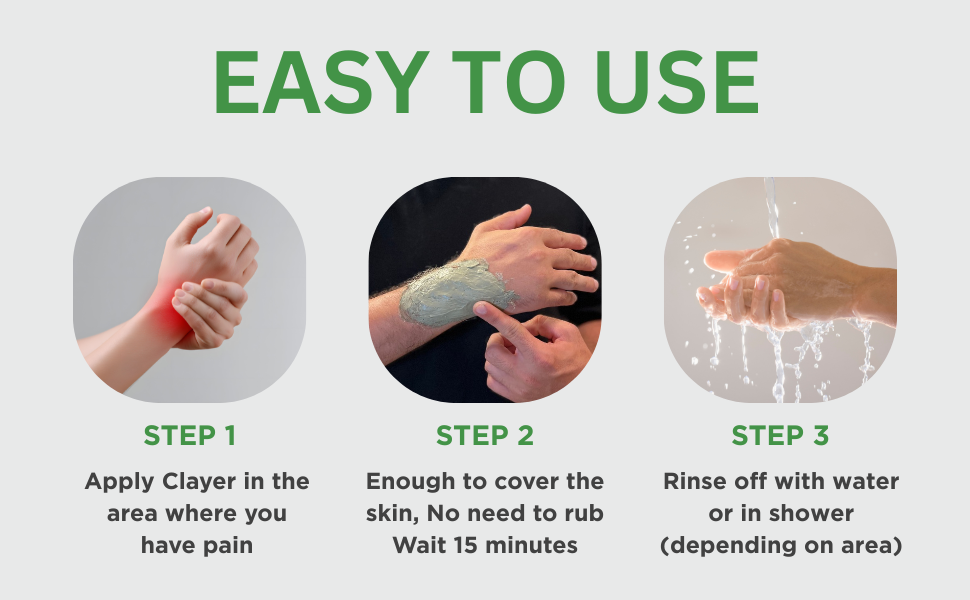
Application is simple: Apply a thin layer of clay directly to the skin around your knee, avoiding the incision site until cleared by your surgeon. The clay naturally cools as it dries, providing sustained anti-inflammatory action for 15-20 minutes. Unlike chemical pain relievers that can interfere with natural healing, clay supports your body's recovery process.
Nutrition: Fueling Natural Recovery From Within
Natural ways to speed tissue repair start in your kitchen. Your body requires specific nutrients to rebuild damaged cartilage, heal incisions, and reduce inflammation. Protein becomes your primary building block: aim for 1.2-1.6 grams per kilogram of body weight daily from sources like lean meats, fish, eggs, and legumes.
Anti-inflammatory foods should dominate your recovery diet. Fatty fish like salmon and mackerel provide omega-3 fatty acids that actively reduce inflammation. Berries, leafy greens, and turmeric offer powerful antioxidants that combat oxidative stress and support cellular repair.
Vitamin C becomes crucial for collagen synthesis: the protein that forms cartilage, tendons, and skin. Citrus fruits, bell peppers, and broccoli provide abundant vitamin C while also supplying fiber to prevent constipation, a common side effect of pain medications.
Hydration amplifies every recovery strategy. Proper fluid intake supports nutrient transport to healing tissues, helps flush metabolic waste, and maintains joint lubrication. Aim for clear urine as your hydration target rather than relying on thirst alone.
Managing Swelling: Beyond Basic Elevation
Natural ways to control post-surgical swelling extend far beyond propping your leg on pillows. While elevation remains important, combining multiple approaches creates synergistic effects that dramatically reduce recovery time.
Compression therapy using properly fitted elastic bandages or compression sleeves provides consistent pressure that prevents fluid accumulation. The key is finding the right balance: tight enough to control swelling without restricting circulation.
Gentle massage around the surgical area (not directly on incisions) stimulates lymphatic drainage and reduces fluid buildup. Use light, circular motions working from the knee toward the heart to encourage natural fluid movement.
Clay therapy offers unique advantages for swelling management. The natural drawing properties of French green clay create osmotic pressure that pulls excess fluid from tissues while delivering healing minerals. This dual action: removing waste while providing nutrients: accelerates the natural healing process.

Pain Management Without Pharmaceutical Dependency
Natural ways to minimize post-surgical pain focus on addressing root causes rather than masking symptoms. While medications have their place in acute recovery, natural approaches often provide more sustainable relief without side effects.
Mind-body techniques like deep breathing, meditation, and guided imagery activate your body's natural pain-relieving mechanisms. Even 10 minutes of daily meditation can significantly reduce pain perception and improve sleep quality during recovery.
Acupuncture and acupressure, when performed by qualified practitioners, trigger the release of endorphins: your body's natural painkillers. Many patients report significant pain reduction after just a few sessions, often allowing them to reduce medication dependency.
Topical clay applications provide localized pain relief through multiple mechanisms. The cooling effect provides immediate comfort, while the mineral content supports tissue repair and reduces inflammation that drives pain signals.

Creating Your Natural Recovery Protocol
Natural ways to optimize your knee surgery recovery work best when combined systematically rather than randomly applied. Start each day with gentle movement exercises, followed by proper nutrition focused on anti-inflammatory foods.
Apply clay therapy 2-3 times daily during the acute recovery phase, timing applications after exercise sessions for maximum anti-inflammatory benefit. Use the controlled cooling effect to manage post-activity swelling while delivering healing minerals to surgical sites.
Evening routines should focus on relaxation and recovery preparation. Light stretching, meditation, or guided imagery sessions prepare your body for restorative sleep: the time when most tissue repair occurs.
Track your progress daily, noting pain levels, swelling, range of motion, and energy levels. This data helps you identify which natural approaches provide the greatest benefit for your specific recovery pattern.
The Science Behind Natural Healing Acceleration
Natural ways to enhance recovery aren't based on wishful thinking: they're supported by extensive research showing how specific interventions activate your body's healing mechanisms. Scientific studies demonstrate that medicinal clay applications can reduce inflammation markers and accelerate tissue healing compared to conventional approaches alone.
The mineral content of therapeutic clay provides essential elements for cartilage repair and bone healing. Unlike synthetic treatments that merely suppress symptoms, clay therapy supports the biological processes your body uses for natural recovery.
Professional endorsement of natural recovery methods continues to grow as more surgeons recognize the limitations of medication-only approaches. Sports doctors increasingly recommend complementary natural therapies that enhance rather than interfere with surgical outcomes.
Your knee surgery recovery doesn't have to follow the traditional timeline of prolonged discomfort and limited mobility. By implementing these natural approaches systematically and consistently, you're not just healing faster: you're building a stronger, more resilient foundation for long-term knee health. Your body knows how to heal; natural methods simply provide the optimal environment for that healing to occur.


