Where to Buy Food Grade Green Clay?
If you've been searching for food grade green clay, you've probably noticed something frustrating: finding a product that's truly safe for internal use is harder than it should be. Many vendors have stopped using the term "food grade" altogether due to regulatory restrictions, even when their clay might be pure enough for consumption.
So where does that leave you?
The truth is, not all green clay is created equal. Some products contain heavy metals like lead, arsenic, and cadmium that you definitely don't want in your body. Others lack proper testing or certifications. And with so many options online, how do you know what's actually safe?
Let's break down what you need to know about buying green clay that's pure, tested, and safe: whether you're using it topically or internally.
Why "Food Grade" Green Clay Is Hard to Find
Here's the reality: regulatory agencies have cracked down on vendors marketing clay as "food grade." Even if a product is ultra-pure and suitable for internal use, sellers can't legally advertise it that way in many regions.
Does that mean food-quality clay doesn't exist?
Not at all. It just means you need to look beyond marketing labels and focus on what really matters: purity, testing, and certifications.
The key is finding green clay that's been tested for contaminants, sourced from clean regions, and backed by third-party certifications. That's the only way to know you're getting a product that's genuinely safe.
The Heavy Metal Problem You Need to Know About
This is critical: many green clays on the market contain dangerous levels of heavy metals.
Research published in the International Journal of Environmental Research and Public Health found that some commercially available clays contain lead levels that exceed safety standards. We're talking about products people are putting on their skin: or worse, consuming internally.
Lead exposure, even at low levels, can cause serious health issues:
- Neurological damage
- Kidney problems
- Reproductive issues
- Developmental problems in children
Here's the scary part: most clay products don't test for heavy metals at all. They might be "natural" and "pure," but without proper testing, you're playing Russian roulette with your health.
The study specifically highlighted that geophagy (clay consumption) with contaminated products poses significant health risks. This isn't just theoretical: it's a real concern backed by scientific evidence.
What Makes Green Clay Actually Safe?
If you're serious about finding high-quality green clay, here's what to look for:
Heavy Metal Testing The clay should be tested by independent laboratories for lead, arsenic, cadmium, and mercury. And those test results should be publicly available: not hidden behind vague marketing claims.
Clean Sourcing Where the clay comes from matters. Volcanic regions with minimal industrial pollution produce the purest clay. French green clay, particularly from volcanic deposits in the Auvergne region, is renowned for its purity.
Multiple Clay Types The best healing clays combine different minerals. Illite, bentonite, and kaolin each offer unique benefits. Together, they provide a broader spectrum of minerals and healing properties.
Third-Party Certifications Look for certifications like USDA organic, or approval as a feed additive (which requires stringent purity standards). These aren't just fancy badges: they represent real testing and oversight.
Transparency Reputable brands share their mineral content, sourcing information, and safety data. If a company is hiding these details, that's a red flag.
Where to Actually Buy Safe Green Clay
After all that, you might be wondering: where can I find green clay that checks all these boxes?
If you want a clean, tested, non-toxic option from a brand trusted by pros, start here:
- Powder option (pure clay you can mix yourself): https://clayerworld.com/products/powder-food-grade-1-lb
- Ready-to-use option (no mixing, no mess): https://clayerworld.com/products/clayer-skin-pure-bentonite-clay-ready-to-use
- For athletes who want targeted recovery support: https://clayerworld.com/collections/active-recovery-sport
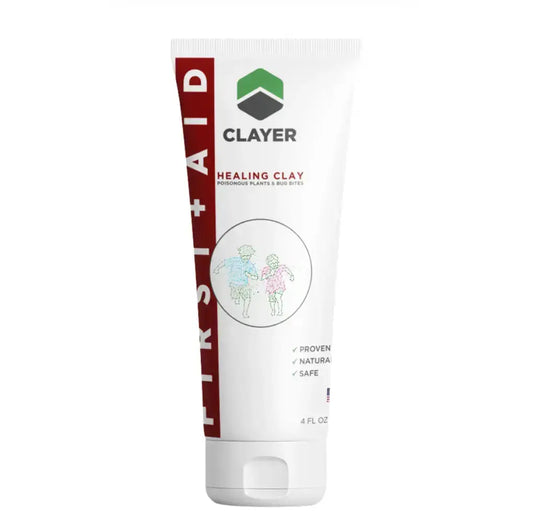
CLAYER's French healing clay is one of the only options on the market that's been rigorously tested for heavy metals and backed by scientific research. Here's why it stands out:
100% Heavy Metals Free CLAYER tests every batch for lead, arsenic, cadmium, and mercury. The results? Non-detectable levels across the board. This isn't marketing hype: it's verified by independent labs.
Sourced from Clean Volcanic Regions The clay comes from pristine volcanic deposits in France, far from industrial contamination. This sourcing matters because it determines the baseline purity before any processing even begins.
Triple-Clay Formula CLAYER combines illite, bentonite, and kaolin clays, giving you a complete mineral profile. Each type brings unique properties:
- Illite: Rich in minerals, excellent absorption
- Bentonite: Powerful detoxification properties
- Kaolin: Gentle, suitable for sensitive applications
Doctor Recommended Sports doctors and healthcare professionals recommend CLAYER specifically because of its purity and proven safety profile.
Used by Professional Athletes Pro athletes across multiple sports trust CLAYER for recovery and healing. These aren't casual users: they're people whose careers depend on safe, effective products.
Made in the USA While the clay is sourced from France, CLAYER products are manufactured in the United States under strict quality control standards.
Scientifically Proven Research has demonstrated the healing properties of French green clay. Studies show it can reduce inflammation, support tissue healing, and provide natural detoxification. You can read more about the ingredient studies here.
Beyond Food Grade: Why Purity Matters for All Uses
Even if you're not planning to consume clay internally, purity still matters tremendously.
Your skin absorbs what you put on it. When you apply clay topically for wound healing, inflammation, or sports recovery, those minerals: and any contaminants: can enter your bloodstream.
Think about it: would you knowingly apply a cream containing lead to an open wound? Of course not. Yet that's exactly what might happen with untested clay products.
This is especially important for:
- Athletes recovering from injuries
- People with sensitive skin
- Anyone using clay on broken or inflamed skin
- Parents considering clay for their children
The standard should be the same whether you're consuming clay or applying it topically: it needs to be pure, tested, and safe.
What About Other Green Clay Brands?
You might see other brands claiming to offer "ultra-pure" or "premium" green clay. Here's what to watch out for:
Vague Purity Claims Words like "natural" and "pure" sound great, but they don't mean anything without testing to back them up. Always ask: where are the heavy metal test results?
No Certifications If a brand can't show you third-party certifications, that's a warning sign. Real quality doesn't hide: it's verified and proven.
Limited Transparency Some brands won't tell you where their clay comes from or what their testing protocols are. That lack of transparency should concern you.
Price-Driven Products The cheapest option is rarely the safest. Quality sourcing, proper testing, and certifications cost money. If a price seems too good to be true, there's probably a reason.
How to Use Green Clay Safely
Whether you're using green clay topically or considering internal use, here are some guidelines:
Start Small Test any new clay product on a small area first, especially if you have sensitive skin.
Follow Instructions Different applications require different approaches. CLAYER products come with clear usage guidelines: follow them.
Stay Hydrated Clay draws out toxins and impurities, so drink plenty of water when using it.
Consult Healthcare Providers If you're considering internal use or have any health conditions, talk to your doctor first.
Store Properly Keep clay in a cool, dry place away from direct sunlight to maintain its properties.
The Bottom Line on Buying Green Clay
Finding truly food-quality green clay means looking beyond marketing claims and focusing on what matters: testing, purity, sourcing, and certifications.
The regulatory landscape has made "food grade" labels scarce, but that doesn't mean safe, high-quality clay doesn't exist. You just need to know what to look for and which brands prioritize your health over clever marketing.
CLAYER's French healing clay offers the transparency, testing, and purity you need: whether you're an athlete recovering from an injury, someone managing chronic inflammation, or simply looking for the safest, most effective clay available.
Your health deserves products that are proven, tested, and backed by science. Don't settle for anything less.
Ready to experience the difference? Check out CLAYER's range of healing clay products and see why professionals and athletes trust it for their health and recovery.