
Why Does My Knee Hurt When I Walk? Understanding Joint Inflammation
The Direct Answer You Need
Why does your knee hurt when you walk? The most common culprit is joint inflammation: a natural response where tissues surrounding your knee become irritated, swollen, and painful. This inflammation often results from underlying conditions like osteoarthritis, meniscus tears, or overuse injuries that worsen with movement and weight-bearing activities.
Here's the truth: your knee pain isn't just "in your head," and you don't have to live with it. Understanding what's happening inside your joint is the first step toward taking control of your recovery and getting back to the activities you love.
What's Really Happening Inside Your Knee
Your knee is a complex joint that takes a beating every single day. When you walk, your knee absorbs forces up to three times your body weight with every step. Over time, this constant stress can lead to breakdown and inflammation in several key areas.

Osteoarthritis is the leading cause of knee pain in adults over 50. This wear-and-tear condition occurs when the protective cartilage cushioning your knee joint gradually breaks down, leaving bone rubbing against bone. The result? Pain, stiffness, and swelling that often feels worse after periods of rest: like first thing in the morning or after sitting for extended periods.
Meniscus tears affect the C-shaped cartilage that acts as your knee's shock absorber. Whether from a sudden twisting motion or gradual age-related degeneration, these tears cause pain along the joint line, catching sensations, or that unsettling feeling of instability when you walk.
Patellofemoral pain syndrome (runner's knee) creates pain around or behind your kneecap. It worsens with walking, climbing stairs, or sitting with your knee bent for too long. This happens when your kneecap doesn't track properly over your thighbone, creating friction and inflammation.
IT band syndrome strikes when the thick tissue running from your hip down the outside of your thigh becomes tight or inflamed. You'll feel sharp pain on the outer knee during walking or running: a telltale sign of overuse or biomechanical issues in your gait.
The Inflammation Connection: Your Body's Double-Edged Sword

Inflammation is your body's natural defense mechanism, but when it becomes chronic, it transforms from protector to problem. When tissues in your knee become irritated: whether from repetitive stress, degenerative changes, or injury: your body responds with inflammation characterized by swelling, warmth, redness, and pain.
This inflammatory response serves a purpose initially: it brings healing nutrients and immune cells to the injured area. However, chronic inflammation can actually damage healthy tissue and slow down your recovery. That's where targeted support for your connective tissue becomes crucial.
How Minerals Support Your Connective Tissue and Joint Health
Your connective tissues: including cartilage, tendons, and ligaments: require specific minerals to maintain their structure and function. Here's what many people don't realize: mineral deficiencies can contribute to joint pain and slow healing.
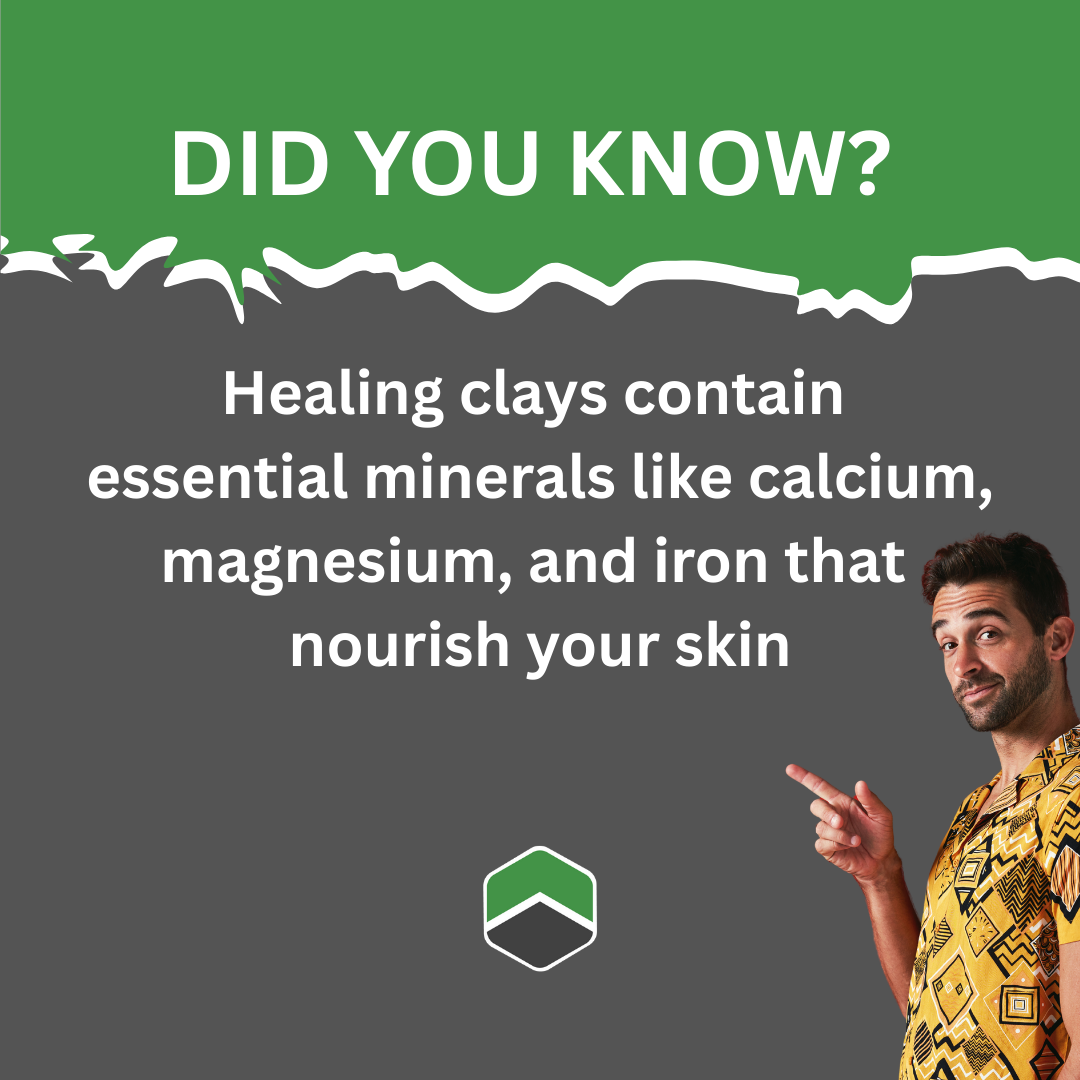
Calcium isn't just for bones: it plays a vital role in cellular communication and tissue repair. Magnesium helps regulate inflammation and supports muscle relaxation around the joint. Iron ensures adequate oxygen delivery to healing tissues. Silica is essential for collagen formation, the building block of cartilage and connective tissue.
Natural French green clay, like that found in CLAYER's recovery products, contains these essential minerals in bioavailable forms. When applied topically, these minerals can be absorbed through the skin to support local tissue health and reduce inflammation naturally.
Decoding Your Knee Pain: Location and Timing Matter
Understanding your specific pain pattern helps identify the underlying cause:
Location tells the story:
- Inner or outer side pain suggests meniscus issues or ligament sprains
- Behind the kneecap points to patellofemoral problems
- Below the kneecap may indicate patellar tendinitis
- Outer knee often relates to IT band syndrome
Timing reveals patterns:
- Pain worse when first starting to walk but improving as you move? That's classic arthritis
- Pain that increases the longer you walk indicates overuse problems
- Constant pain regardless of activity raises concern for more serious conditions
The Overuse Trap: When Good Intentions Go Wrong
Here's a scenario that happens all the time: you suddenly decide to get serious about walking for fitness. You jump from a couple of hours per week to a 4-hour marathon walk. Your enthusiasm is admirable, but your tissues aren't prepared for that drastic increase.
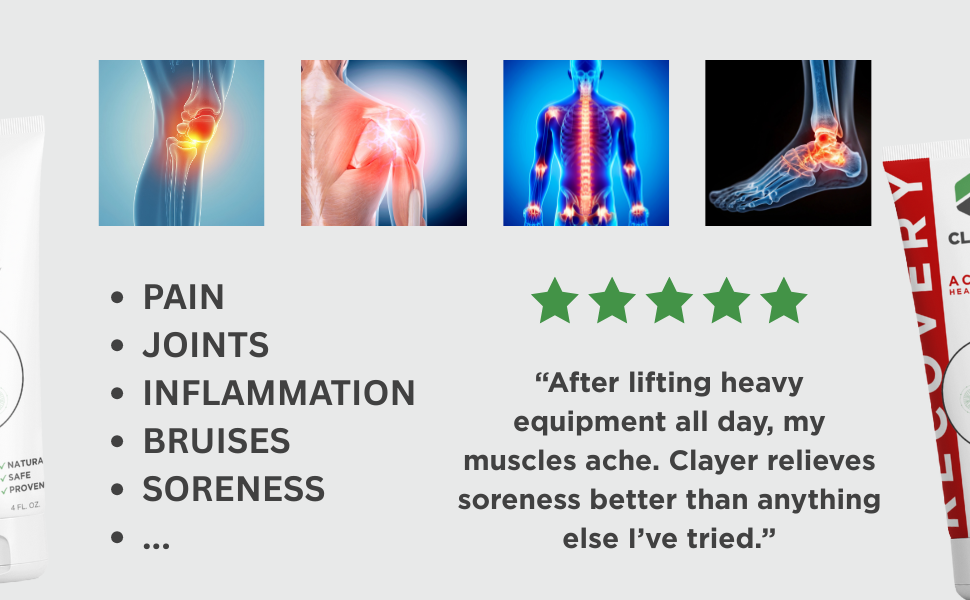
This sudden overload can overwhelm your tissues and cause overuse injuries like patellar tendinitis or patellofemoral pain syndrome: especially without sufficient rest between sessions. Your body needs time to adapt to new demands.
Other contributing factors include:
- Improper gait or biomechanical misalignments
- Hip or foot pain that alters your walking pattern
- Underlying conditions like flat feet that strain the knee joint
- Muscle imbalances around the hip and knee
- Poor footwear that doesn't provide adequate support
The Natural Approach to Knee Pain Relief
You don't have to rely solely on synthetic painkillers to manage your knee pain. In fact, many athletes and active individuals are discovering that natural alternatives often provide superior relief without the side effects.
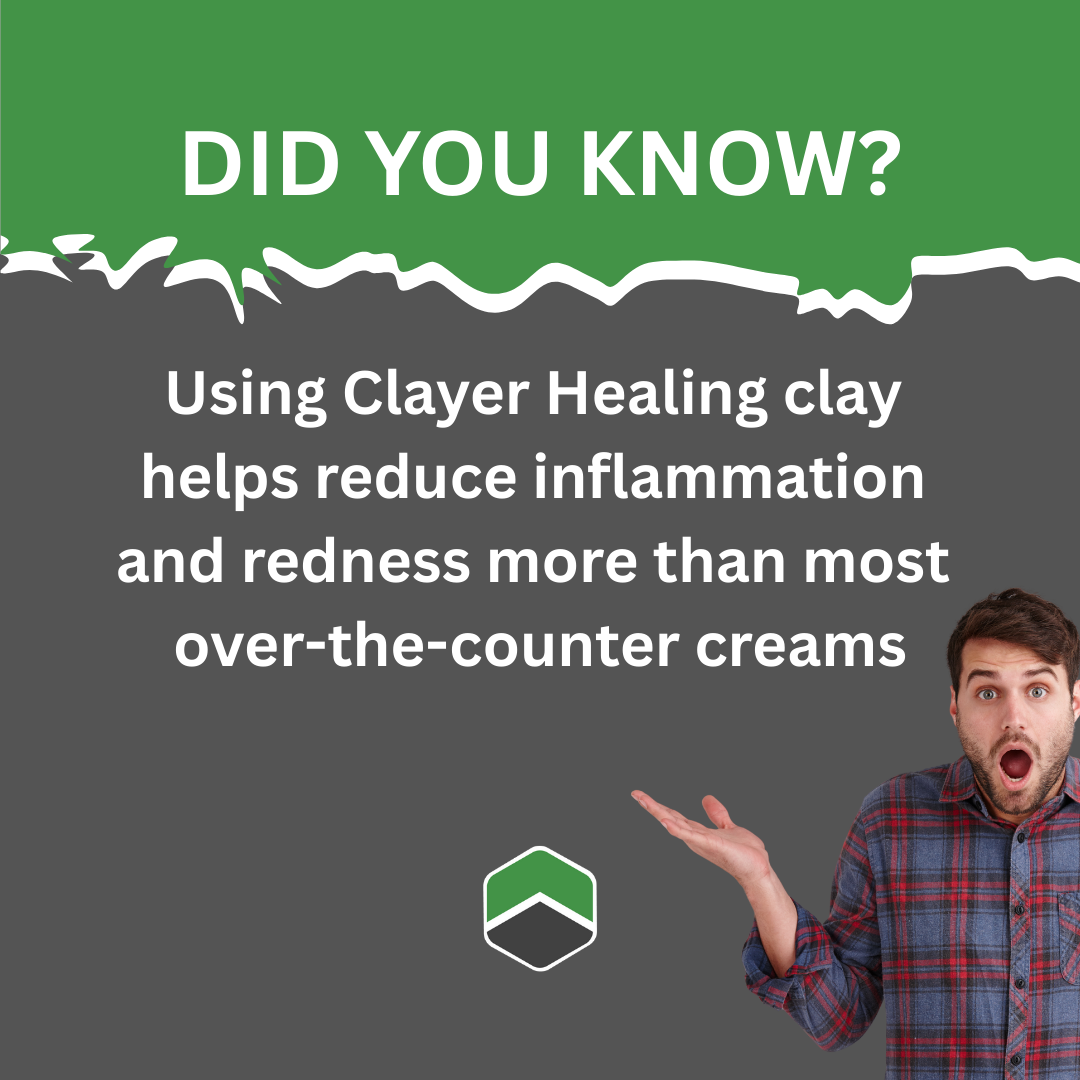
CLAYER's healing clay products are certified non-toxic and contain zero harmful additives: a crucial distinction since some clays contain dangerous levels of lead. Our French green clay is rigorously tested and proven safe for regular use.
The minerals in healing clay work through multiple mechanisms:
- Reducing inflammation at the cellular level
- Drawing out toxins that contribute to tissue irritation
- Supplying essential minerals that support connective tissue repair
- Improving circulation to the affected area
- Promoting faster recovery from daily wear and tear
What Athletes and Doctors Say
Trusted by professional athletes and recommended by sports doctors, CLAYER products have earned their reputation through proven results. Our customers report:
"I use CLAYER after every long run. My knees used to ache for days, but now I recover overnight. It's become essential to my training routine." ⭐⭐⭐⭐⭐
The science backs this up: studies on French green clay demonstrate its effectiveness in reducing inflammation and supporting tissue healing. Unlike synthetic products that simply mask pain, CLAYER addresses the underlying inflammation naturally.
Taking Action: Your Recovery Starts Now
Don't ignore joint pain: it's your body's way of telling you something needs attention. While consulting with a knee specialist for proper diagnosis is essential, you can start supporting your joint health naturally today.
Prioritize your recovery with these steps:
- Apply natural healing clay to reduce inflammation
- Gradually increase walking intensity: no sudden jumps
- Focus on proper footwear and biomechanics
- Strengthen muscles around the hip and knee
- Allow adequate rest between walking sessions
- Support your connective tissue with mineral-rich topical treatments
Ready to experience natural relief? Explore CLAYER's recovery collection and discover why thousands of active individuals trust our 100% natural, non-toxic formulas. Your knees deserve the best: and so do you.
Remember: Pain is your body asking for help. Answer with natural, proven solutions that support genuine healing, not just temporary relief. You're built to move freely and confidently( let's get you back there.)


