Breathing Exercises Every Athlete Should Know: Increase Endurance and Recovery
Meta Title: Breathing Exercises Every Athlete Should Master for Peak Performance Meta Description: Discover proven breathing exercises that boost athletic endurance and accelerate recovery. Expert techniques used by pro athletes for optimal performance. Keywords: Breathing exercises every athlete, athletic breathing techniques, endurance breathing, recovery breathing
Breathing exercises every athlete should master aren't just about getting more oxygen: they're about unlocking your body's natural ability to perform at peak levels and recover faster than ever before. While most training programs focus on strength, speed, and skill development, the way you breathe can be the game-changer that separates good athletes from champions.
Professional athletes and sports medicine experts have long recognized that proper breathing techniques can increase endurance by up to 15%, improve focus during critical moments, and accelerate recovery between training sessions. Whether you're preparing for competition, pushing through intense workouts, or recovering from training, your breath is the most powerful tool you have: and it's completely under your control.
Why Breathing Matters More Than You Think for Athletic Performance
Your respiratory system doesn't just deliver oxygen to your muscles: it's the command center for your entire nervous system during athletic performance. When you master specific breathing exercises every athlete benefits from, you're essentially reprogramming your body's stress response, optimizing oxygen delivery, and activating your natural recovery mechanisms.
Research published in the Journal of Sports Medicine and Physical Fitness demonstrates that controlled breathing techniques can reduce cortisol levels by up to 25%, leading to faster muscle repair and reduced inflammation. This is where CLAYER's natural recovery solutions work synergistically with proper breathing: both target the body's natural healing processes to accelerate recovery.

Pre-Performance Breathing Techniques That Champions Use
Diaphragmatic Breathing for Pre-Game Calm
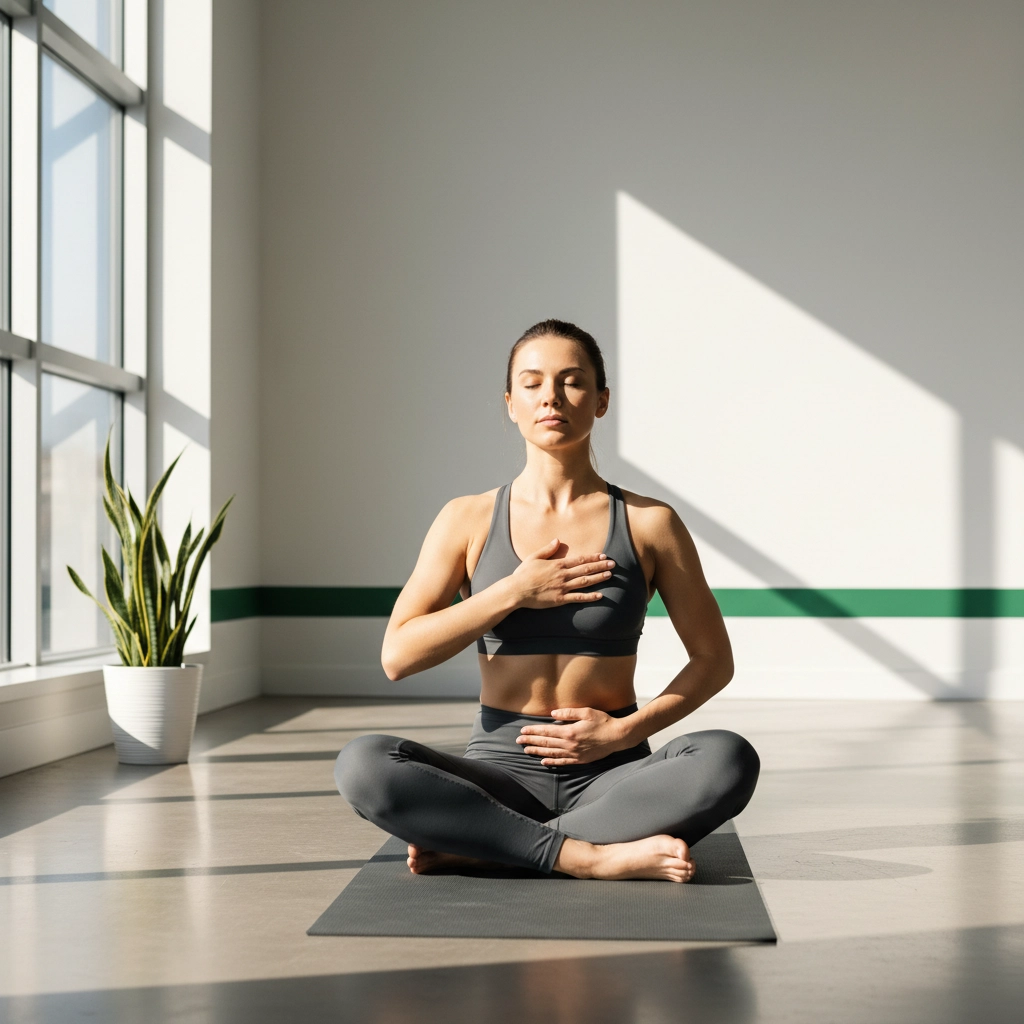
The foundation of all athletic breathing exercises every competitor should know is diaphragmatic breathing. This technique activates your parasympathetic nervous system, reducing pre-competition anxiety while maintaining alertness.
How to Practice:
- Place one hand on your chest, another on your belly
- Breathe in slowly through your nose for 4 counts, expanding your belly (not your chest)
- Hold for 2 counts
- Exhale through your mouth for 6 counts, pulling your belly button toward your spine
- Repeat for 5-10 minutes before competition
Box Breathing for Mental Focus
Used by Navy SEALs and elite athletes worldwide, box breathing creates mental clarity and emotional control during high-pressure situations.
The Technique:
- Inhale for 4 counts
- Hold for 4 counts
- Exhale for 4 counts
- Hold empty for 4 counts
- Repeat for 3-5 minutes
This breathing pattern helps regulate your autonomic nervous system, ensuring you enter competition with optimal focus and controlled energy.
During-Performance Breathing Strategies
Rhythmic Breathing for Endurance Sports
For endurance activities, establishing a breathing rhythm that matches your movement pattern is crucial. Research from the American College of Sports Medicine shows that rhythmic breathing can improve oxygen efficiency by 12-18%.
For Running: Try a 3:2 pattern (inhale for 3 steps, exhale for 2 steps) during moderate pace, switching to 2:1 during high intensity.
For Cycling: Coordinate breathing with pedal strokes: inhale for 2 rotations, exhale for 2 rotations.
Power Breathing for Strength Training
During heavy lifts or explosive movements, proper breathing exercises every athlete should use involve the Valsalva maneuver: taking a deep breath, holding it during the exertion phase, then exhaling completely after completion. This creates intra-abdominal pressure, protecting your spine and maximizing power output.
Post-Performance Recovery Breathing Protocols
The 7-11 Recovery Technique
This is where breathing exercises every athlete masters become game-changers for recovery. The 7-11 technique rapidly shifts your body from a stressed state to active recovery mode.
Method:
- Inhale through your nose for 7 counts
- Exhale slowly through your mouth for 11 counts
- Continue for 10-15 minutes post-workout
The extended exhale activates your vagus nerve, triggering the release of recovery hormones and reducing inflammatory markers. Studies from the International Journal of Sports Physiology and Performance show this technique can reduce post-exercise heart rate recovery time by up to 20%.
Recovery Box Breathing
Immediately after intense training, lie on your back with legs elevated (feet against a wall or on a chair) and practice modified box breathing:
- Inhale for 5 counts while gently pressing your lower back into the floor
- Hold for 5 counts
- Exhale for 5 counts, releasing all tension
- Hold empty for 5 counts
- Repeat for 5-10 minutes
This position, combined with controlled breathing, enhances venous return and accelerates metabolic waste removal from working muscles.
Advanced Breathing Techniques for Elite Performance
Breath Holds for CO2 Tolerance
Building carbon dioxide tolerance through breath holds improves your body's oxygen utilization efficiency. This technique is particularly beneficial for sports requiring sustained high-intensity effort.
Progressive Protocol:
- Take a normal breath and hold for 30 seconds
- Rest for 30 seconds with normal breathing
- Gradually increase hold time by 5 seconds each week
- Work up to 90-second holds
According to research published in PubMed, improved CO2 tolerance can delay the onset of breathlessness during intense exercise, effectively extending your performance threshold.
Breath of Fire for Energy Activation
This rapid breathing technique energizes your nervous system and can be used as a pre-training activation tool.
Technique:
- Sit tall with shoulders relaxed
- Breathe rapidly through your nose (1 second in, 1 second out)
- Focus on sharp exhales while letting inhales happen naturally
- Continue for 1-2 minutes
Use this sparingly: it's powerful and should be practiced when you need quick energy activation.
Combining Breathing with Natural Recovery Solutions
While breathing exercises every athlete should practice form the foundation of recovery, combining them with proven natural solutions amplifies results. CLAYER's first-aid and skin repair products work at the cellular level to reduce inflammation and promote healing, while proper breathing optimizes your body's internal recovery mechanisms.
Many athletes find that applying natural clay-based recovery products during their post-workout breathing sessions enhances the overall recovery experience. The mineral-rich formulations help draw out toxins and reduce muscle soreness while controlled breathing accelerates the body's natural healing response.
Professional athletes and sports medicine doctors consistently recommend this integrated approach. As noted by specialists featured on our sports doctors' recommendations page, combining proper breathing techniques with natural, non-toxic recovery products creates a synergistic effect that pharmaceutical solutions simply cannot match.
Common Breathing Mistakes Athletes Make
Shallow Chest Breathing: Many athletes breathe only into their chest, missing 60% of their lung capacity. Always focus on belly expansion first.
Holding Breath During Non-Power Movements: Except during heavy lifts, continuous breathing maintains oxygen flow and prevents unnecessary tension.
Ignoring Recovery Breathing: The biggest mistake is focusing only on performance breathing while neglecting post-exercise respiratory recovery protocols.
Inconsistent Practice: Like any skill, breathing techniques require consistent practice to become automatic during competition.

Building Your Personal Breathing Protocol
Start by selecting 2-3 techniques that align with your sport and current needs:
For Endurance Athletes: Focus on rhythmic breathing and 7-11 recovery For Strength Athletes: Master power breathing and recovery box breathing
For Team Sports: Emphasize box breathing and diaphragmatic breathing For All Athletes: Include CO2 tolerance training 2-3 times per week
Practice these techniques daily, not just during training. The more automatic they become, the more effective they'll be during competition when your conscious mind is focused on performance.
Conclusion
Breathing exercises every athlete should know aren't just supplementary training tools: they're essential performance enhancers that work at the most fundamental level of human physiology. From pre-game nerves to post-workout recovery, your breath is the bridge between your mind and body's peak potential.
Master these techniques, practice them consistently, and watch your endurance soar while your recovery accelerates. Combined with natural, proven recovery solutions, proper breathing creates the foundation for sustained athletic excellence.
Ready to take your recovery to the next level? Explore CLAYER's complete active recovery collection and discover how natural solutions complement your breathing practice for optimal performance.
Frequently Asked Questions
Q: How long does it take to see results from breathing exercises? A: Most athletes notice improved focus and calmer pre-competition nerves within 1-2 weeks of consistent practice. Endurance and recovery benefits typically become apparent after 3-4 weeks of regular implementation.
Q: Should I practice breathing exercises on rest days? A: Absolutely! Rest days are perfect for practicing recovery breathing techniques and building CO2 tolerance without the stress of training.
Q: Can breathing exercises replace traditional recovery methods? A: Breathing exercises enhance rather than replace other recovery methods. They work synergistically with proper nutrition, sleep, and natural recovery products for optimal results.
Q: What's the best time to practice breathing exercises? A: Pre-performance: 10-15 minutes before activity. Post-performance: Immediately after training. Daily practice: Morning or evening for 5-10 minutes to build the habit.
Q: Are there any risks to these breathing techniques? A: When practiced as described, these techniques are safe for healthy individuals. If you experience dizziness during breath holds or rapid breathing, stop immediately and return to normal breathing patterns.