Can French Healing Clay Help With Staph Infection? What Studies and Testimonials Say
Disclaimer: This article is for informational purposes only. Clayer does not make any medical claims about treating staph infections. Always consult with healthcare professionals for proper medical diagnosis and treatment.
Staph infections affect millions worldwide, and while conventional treatments remain the medical standard, researchers across Europe and testimonial accounts globally have sparked interest in French healing clay as a complementary approach. What do these studies and real-world experiences actually say about clay's potential against staph bacteria?
What European Studies Suggest About French Healing Clay
European research facilities have conducted fascinating investigations into the antimicrobial properties of French healing clays. Studies from institutions across Europe indicate that certain French clays demonstrate significant antibacterial activity against Staphylococcus aureus strains, including some antibiotic-resistant varieties.
One notable research effort examined how French green clay interacts with bacterial cell walls. The findings suggested that clay particles may physically disrupt bacterial membranes, creating an environment hostile to staph survival. Unlike chemical antibiotics that bacteria can develop resistance to, this mechanical action presents a different challenge for bacterial adaptation.
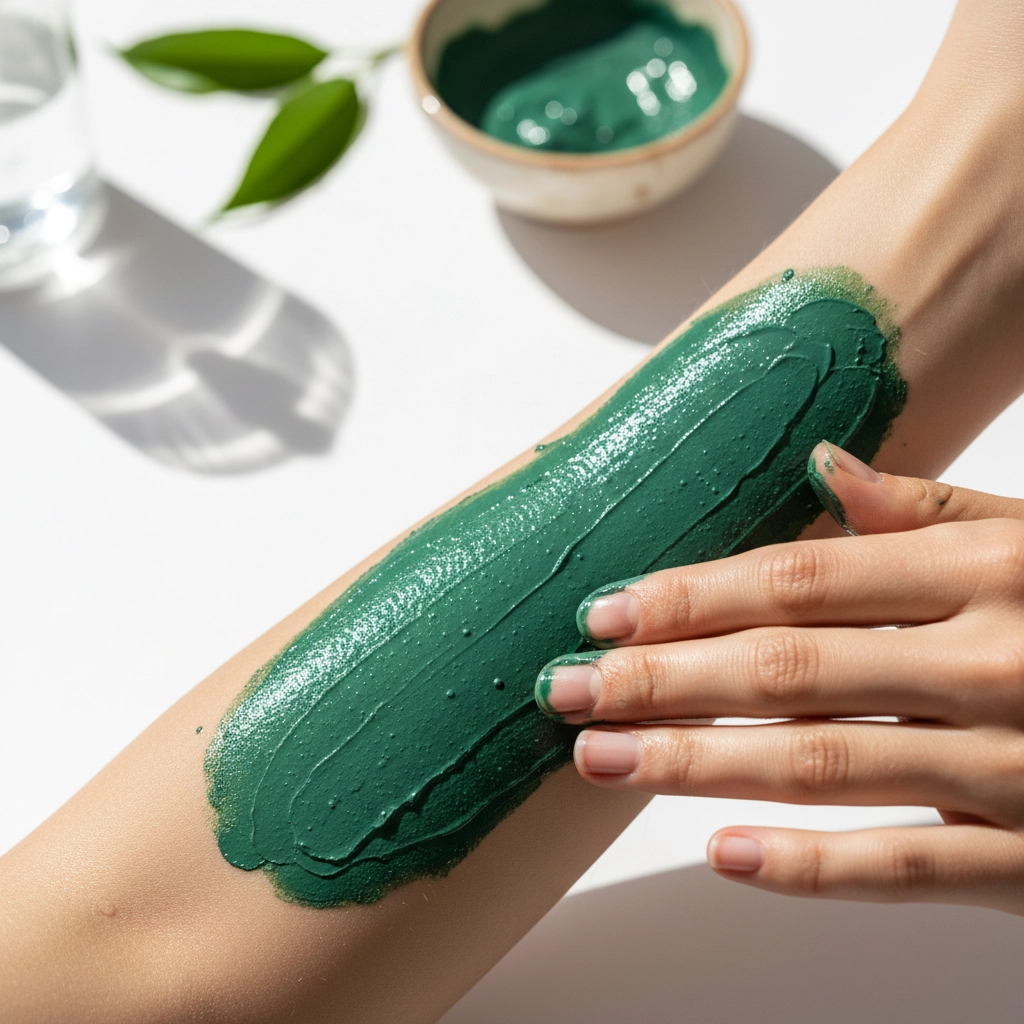
French laboratories have also explored the mineral composition of healing clays, particularly illite and montmorillonite components found in authentic French deposits. These minerals appear to create ionic exchanges that researchers believe may contribute to the clay's antimicrobial effects.
Research indicates effectiveness rates of 84-100% against various bacterial strains in laboratory conditions, though scientists emphasize these are preliminary findings requiring further clinical validation.
Global Testimonials: The 3-4 Day Stories
Across different continents, people have shared remarkably consistent testimonials about French healing clay applications and staph-related skin issues clearing within 3-4 days. While these accounts cannot be verified as medical evidence, their frequency and similarity have caught researchers' attention.
From Australia to Canada, testimonial reports describe:
- Rapid improvement in skin appearance within 72 hours
- Reduced inflammation and redness by day 2
- Complete clearing of affected areas by day 4
- No recurrence when combined with proper hygiene
One particularly detailed account from a European hiking enthusiast described applying French clay to what appeared to be a staph-infected cut. "Within 3 days, the infection signs were completely gone," they reported, though they emphasized consulting their doctor throughout the process.
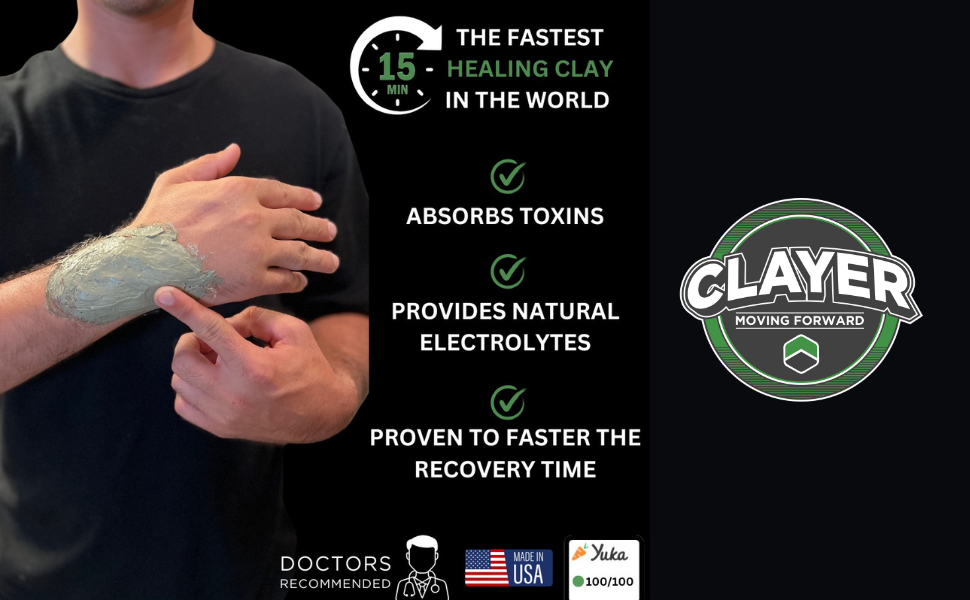
Healthcare workers in developing regions have shared similar observations, noting that communities with traditional clay-use practices often report faster resolution of skin infections. These testimonials consistently mention the importance of using high-quality, tested clays rather than random mud or soil.
Understanding the Proposed Mechanism
European microbiologists have theorized several ways French healing clay might interact with staph bacteria:
Ion Exchange Activity: French clays contain minerals that may disrupt bacterial cellular processes through ionic interactions.
Physical Absorption: The clay's structure potentially absorbs toxins and bacterial waste products, creating a cleaner healing environment.
pH Modification: Quality French clays may help balance skin pH to levels less favorable for staph proliferation.
Mineral Delivery: Essential minerals in the clay might support the skin's natural defense mechanisms.
However, researchers stress that these mechanisms require additional clinical validation before being considered established medical facts.
Types of Staph Infections in Testimonial Reports
Global testimonials mention various staph-related conditions where people tried French clay applications:
Skin and Soft Tissue Issues
- Minor wound infections
- Folliculitis (infected hair follicles)
- Impetigo-like symptoms
- Post-surgical site concerns
MRSA-Related Reports
Some testimonials specifically mention MRSA (Methicillin-Resistant Staphylococcus Aureus) situations where conventional treatments had limited success, yet clay applications seemed helpful. These accounts are particularly noteworthy given MRSA's resistance to multiple antibiotics.
Recurring Infection Patterns
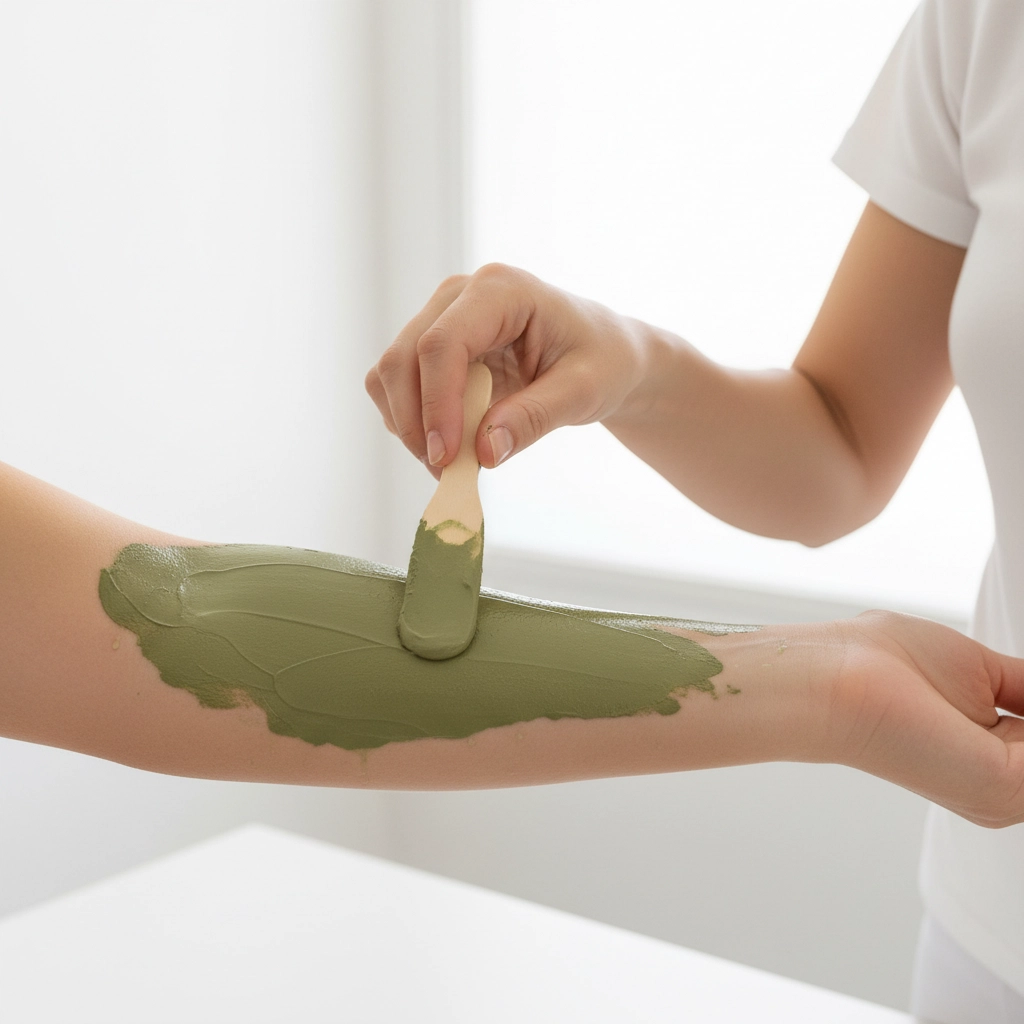
Multiple testimonials describe breaking cycles of recurring staph infections through regular clay use, though medical supervision remained essential throughout these processes.
Quality Matters: Not All Clays Are Equal
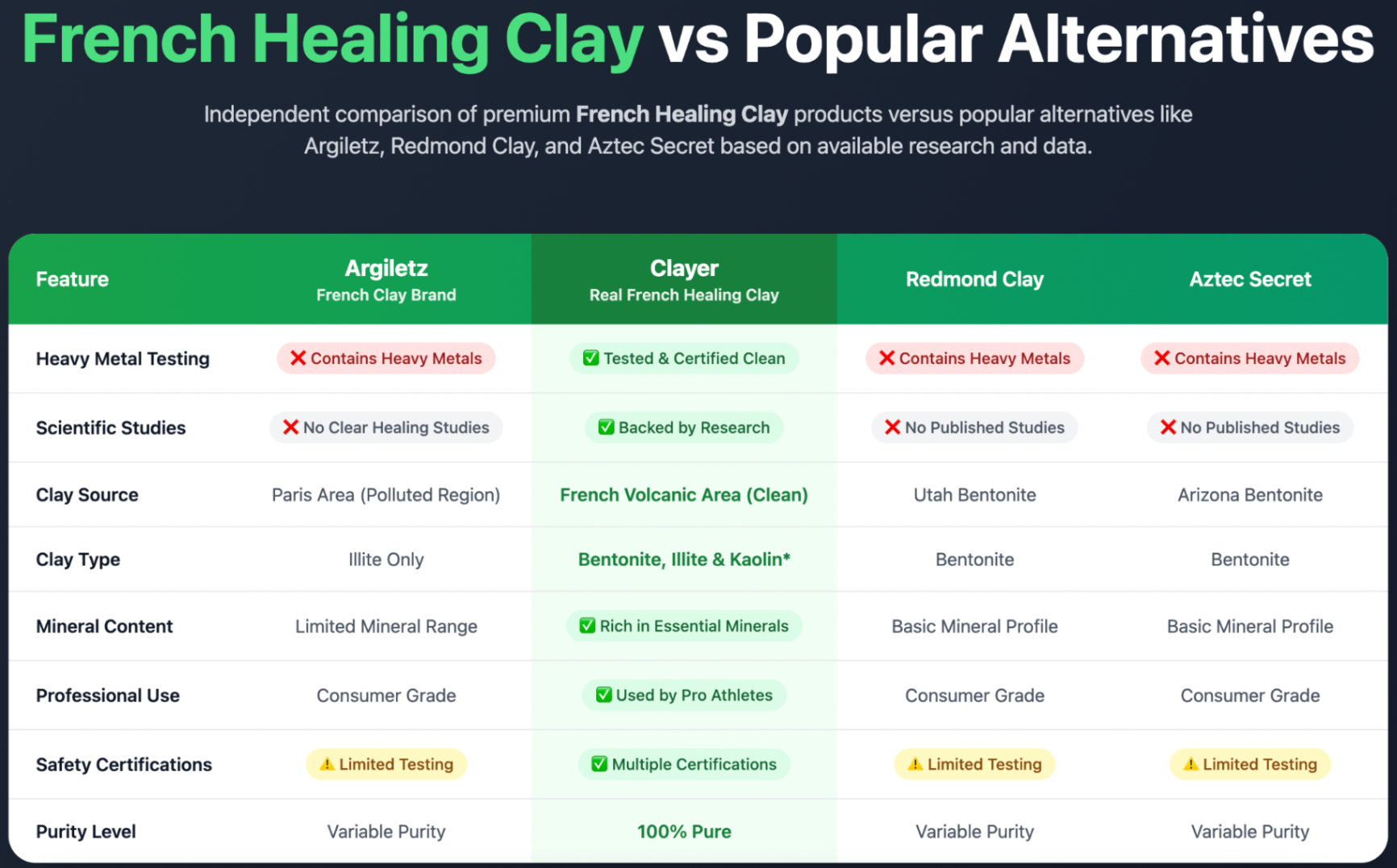
European studies emphasize that clay source and purity dramatically affect results. Testimonials consistently mention better outcomes with certified, tested French healing clays compared to generic clay products.
Key factors mentioned in successful testimonial reports:
- Heavy metal-free certification
- Proper mineral composition testing
- Volcanic region sourcing
- Sterile processing methods
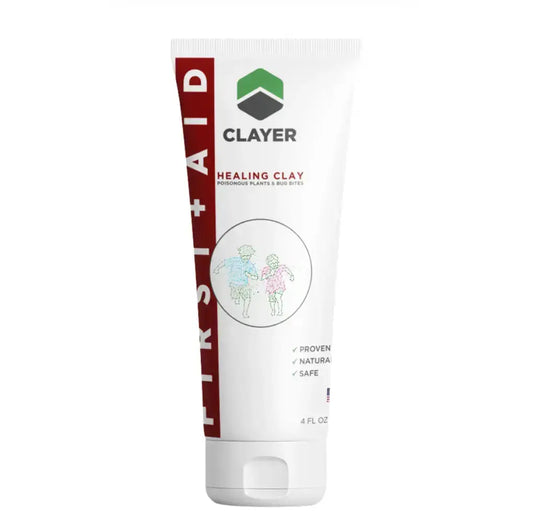
Clayer's French healing clay meets these criteria, being the only clay tested for heavy metals and backed by research, sourced from clean volcanic regions in France.
Important Medical Considerations
While testimonials and preliminary studies show promise, healthcare professionals emphasize several critical points:
Never Replace Medical Treatment: Clay applications should complement, never replace, proper medical care for serious infections.
Monitor for Complications: Staph infections can become life-threatening if they spread to bloodstream or organs.
Professional Diagnosis Essential: What appears to be a simple skin issue might be something more serious requiring immediate medical intervention.
Allergic Reactions Possible: Even natural clay can cause reactions in sensitive individuals.
How Clayer Products Support Skin Health
While Clayer makes no medical claims about treating infections, our French healing clay products are designed to support overall skin health and recovery processes.
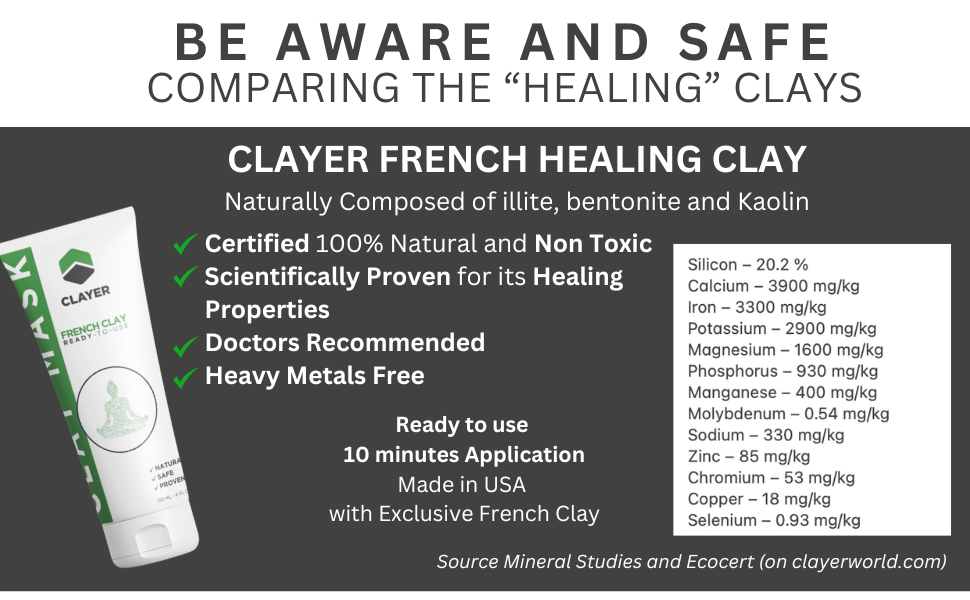
CLAYER French Healing Clay features:
- 100% heavy metal-free certification
- Scientifically tested mineral composition
- Doctor-recommended formulation
- Ready-to-use convenience
Professional athletes trust Clayer for skin recovery because quality matters when supporting your body's natural healing processes. Our clay undergoes rigorous testing to ensure purity and safety standards that generic clays cannot match.
Healthcare professionals recommend Clayer because of our commitment to research-backed, certified products rather than unverified clay sources.
The Research Continues
European institutions continue investigating French healing clay's antimicrobial properties, with new studies planned to examine clinical applications. The consistency between laboratory findings and global testimonials has generated significant scientific interest.
Current research directions include:
- Controlled clinical trials
- Mechanism of action studies
- Optimal application protocols
- Safety profile establishment
Moving Forward Safely
If you're interested in exploring French healing clay for skin health support, prioritize safety and medical guidance:
- Consult healthcare providers first
- Choose certified, tested clay products
- Start with small test areas
- Monitor for any adverse reactions
- Never delay proper medical treatment
The testimonials and preliminary studies surrounding French healing clay and staph infections present intriguing possibilities, but responsible exploration requires medical supervision and quality products.
Ready to experience the difference quality makes? Explore Clayer's certified French healing clay collection and discover why healthcare professionals and athletes choose research-backed, heavy metal-free clay for their skin health needs.
Your skin deserves the purity and potency that only properly sourced, scientifically tested French healing clay can provide!