How Proper Breathing Techniques Improve Sports Performance (& How to Train It)
Every breath you take can be the difference between winning and losing. While most athletes focus on strength training, speed drills, and tactical preparation, there's one fundamental skill that often gets overlooked: proper breathing. The way you breathe doesn't just keep you alive, it can dramatically enhance your performance, accelerate recovery, and give you that competitive edge you've been searching for.
Think about it: how would you feel if you could run 16% further before exhaustion, swim 2-7% faster, or shave over two minutes off your cycling time? These aren't hypothetical gains, they're real results that athletes achieve when they master the art of breathing.
Your respiratory system is far more than just an oxygen delivery mechanism. It's a performance powerhouse that, when trained properly, can transform your athletic capabilities. From reducing pre-competition anxiety to enhancing endurance and improving accuracy in precision sports, breathing techniques offer a proven, natural way to unlock your potential.
The Science Behind Breathing and Athletic Excellence

Your breathing patterns directly impact every aspect of your performance. When you employ proper breathing techniques, you're not just improving oxygen delivery, you're activating your parasympathetic nervous system, which promotes calmness and allows your body to function at peak efficiency.
Research from leading sports medicine institutions reveals remarkable findings. Athletes who incorporated inspiratory muscle training into their routines experienced:
• 16% increase in running distance before exhaustion
• 2-7% improvement in swimming speed
• 115-second reduction in 40-kilometer cycling time trials
• 36-second improvement in 5,000-meter rowing performance
These gains come from strengthening the muscles responsible for lung expansion and improving the efficiency of your entire cardiovascular system. When your inspiratory muscles become stronger, your heart rate lowers, lactate accumulation decreases, and exercise feels significantly easier during high-intensity performance.
The connection goes deeper than just physical benefits. Proper breathing techniques activate your body's natural relaxation response, reducing stress hormones like cortisol that can impair performance and slow recovery. This is where the mind-body connection becomes crucial for athletic success.
Key Performance Benefits That Transform Your Game
Enhanced Endurance and Reduced Fatigue
Your breathing muscles are like any other muscle group, they can be trained and strengthened. When these muscles become more efficient, they require less energy to function, leaving more resources available for your primary athletic movements.
The cardiovascular benefits are immediate and measurable. Athletes report feeling like they can "breathe easier" during intense exercise, with improved oxygen saturation and reduced perceived exertion. This isn't just about feeling better, it's about performing better when it matters most.
Stress and Anxiety Management
Pre-competition jitters don't have to derail your performance. Controlled breathing techniques provide a mental anchor during stressful situations, allowing you to maintain focus and composure under pressure.
When you feel that familiar surge of anxiety before a big game or race, your breathing becomes shallow and rapid. This creates a cascade of physiological responses that can negatively impact your performance. Proper breathing techniques interrupt this stress cycle and keep you in an optimal state for peak performance.

Improved Accuracy in Precision Sports
Every breath creates movement in your body. For athletes in precision sports like archery, shooting, or golf, this movement can be the difference between hitting your target and missing completely.
Elite athletes in these disciplines have mastered the art of coordinating their breathing with their performance. They often time their shots between heartbeats, when their body is most stable. This level of control doesn't happen overnight, it requires dedicated practice and technique refinement.
Proven Training Methods to Master Your Breath
Diaphragmatic Breathing: Your Foundation
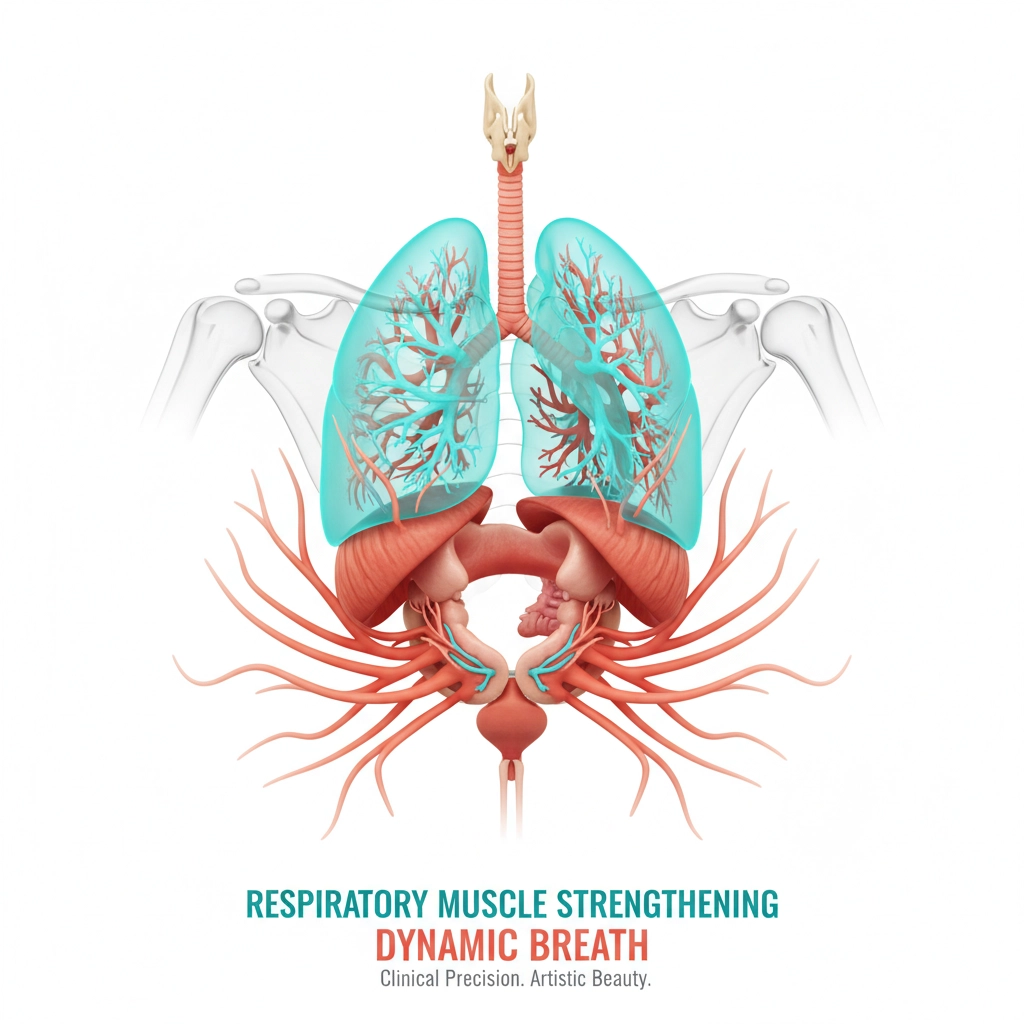
This is where every athlete should start. Most people breathe with their chest, creating shallow, inefficient breathing patterns. Diaphragmatic breathing addresses this fundamental issue and creates the foundation for all other breathing techniques.
Training Protocol: • Find a comfortable position (sitting or lying down) • Place one hand on your chest, another on your abdomen • Inhale deeply through your nose, expanding your abdomen while keeping your chest relatively still • Exhale slowly through your mouth, feeling your abdomen fall • Practice for 5-10 minutes daily with steady, rhythmic patterns
This technique enhances oxygen delivery, promotes relaxation, and improves overall athletic performance. The key is consistency, you need to practice this until it becomes your natural breathing pattern, even under stress.
Inspiratory Muscle Training
Think of this as strength training for your breathing muscles. Just like you wouldn't expect to bench press your maximum weight without training, your breathing muscles need consistent work to reach their potential.
While specialized devices can provide resistance training for breathing muscles, you can also use alternative methods: • Yoga-style breathing exercises with controlled resistance • Swimming with breath control drills • High-altitude training (or altitude simulation)
Results typically become noticeable after 2-3 weeks of daily practice, with significant improvements occurring after 4-6 weeks. The key is progressive overload, gradually increasing the challenge as your muscles adapt.
Rhythmic Breathing for Endurance Athletes
Coordination is everything in endurance sports. Rhythmic breathing acknowledges that inhalation requires more effort and time than exhalation, as respiratory muscles actively contract during inspiration but simply relax during expiration.
For runners, a common pattern is the 3:2 rhythm, three footsteps during inhalation, two during exhalation. This pattern also provides core stability during the inhalation phase, which is crucial when dealing with high-impact forces.
Experiment with different ratios to find what works best for your sport and intensity level. Some athletes prefer 2:1 ratios during high-intensity efforts, while others maintain 4:4 patterns during easier training sessions.
The Recovery Connection: Where Breathing Meets Healing
Your recovery is just as important as your training, and breathing plays a crucial role in both. After intense workouts or competitions, your body needs to shift from a high-stress, performance state to a recovery and repair mode. Proper breathing techniques facilitate this transition naturally.
When you practice diaphragmatic breathing after training, you're activating your parasympathetic nervous system, which promotes:
• Enhanced circulation to recovering tissues
• Reduced inflammation and pain perception
• Improved sleep quality for better recovery
• Faster removal of metabolic waste products
This is where natural recovery solutions can complement your breathing practice. Professional athletes and sports medicine doctors recommend combining proper breathing techniques with natural healing clay applications for comprehensive recovery support. French green clay, in particular, has been shown to enhance circulation and reduce inflammation when applied to sore or injured areas.
The combination of proper breathing and natural recovery methods creates a synergistic effect that can significantly accelerate your return to peak performance. Many professional athletes trust this integrated approach for faster healing and reduced downtime.
Implementation Strategy for Competitive Success
Start simple, build complexity. Don't try to master every breathing technique at once. Begin with diaphragmatic breathing during your daily routine, then gradually incorporate it into your training sessions.
Pre-Competition Protocol: • 10 minutes of diaphragmatic breathing 30 minutes before competition • Rhythmic breathing patterns during warm-up • Controlled breathing between events or during breaks
Training Integration: • Begin each session with 2-3 minutes of breathing exercises • Practice sport-specific breathing patterns during skill work • End sessions with recovery breathing techniques
Recovery Enhancement: • Use breathing techniques immediately post-training • Combine with natural recovery methods for optimal results • Practice before sleep to improve recovery quality
Taking Your Performance to the Next Level
Mastering your breath is mastering your performance. The athletes who consistently outperform their competition understand that every detail matters, and breathing is one of the most important details that's often overlooked.
The science is clear: proper breathing techniques can improve endurance by 16%, enhance swimming speed by up to 7%, and dramatically improve performance in precision sports. These gains don't require expensive equipment or complex training protocols, just consistent practice and proper technique.
Your journey to breathing mastery starts today. Begin with diaphragmatic breathing, progress to sport-specific techniques, and integrate recovery breathing into your routine. Remember that like any skill, this takes time to develop, but the performance benefits will be worth every moment of practice.
For comprehensive recovery support that complements your breathing training, explore CLAYER's natural recovery solutions trusted by professional athletes and recommended by sports medicine doctors. When you combine proper breathing with proven natural healing methods, you're giving your body every advantage it needs to perform at its absolute best.
Frequently Asked Questions
How long does it take to see improvements from breathing training? Most athletes notice improvements in 2-3 weeks of consistent daily practice, with significant performance gains typically occurring after 4-6 weeks of dedicated training.
Can breathing techniques help with sports-related pain and recovery? Yes, proper breathing activates the parasympathetic nervous system, which promotes healing and can help reduce pain perception. Combined with natural recovery methods like healing clay applications, breathing techniques can significantly accelerate recovery.
Should I practice breathing techniques during competition? Absolutely. Many professional athletes use specific breathing patterns during competition for anxiety management, focus enhancement, and performance optimization. Practice your techniques during training so they become automatic during competition.
Are there different breathing techniques for different sports? Yes, endurance sports benefit from rhythmic breathing patterns, precision sports require breath timing and stability, and power sports may use specific breathing patterns for strength and focus enhancement.
Can breathing training replace other forms of conditioning? Breathing training complements but doesn't replace traditional conditioning. It enhances the effectiveness of your existing training by improving oxygen delivery, reducing fatigue, and enhancing recovery between sessions.