How to Stay Energized and Motivated for Pickleball Practice
How to stay energized and motivated for pickleball practice isn't just about showing up to the court: it's about creating a holistic approach that fuels both your body and mind for peak performance. Whether you're a weekend warrior or training for competitive play, maintaining consistent energy levels and genuine enthusiasm for practice requires strategic planning, smart recovery, and a deep understanding of what drives your passion for this incredible sport.
Pickleball demands quick reflexes, sustained focus, and explosive movements that can drain your energy reserves faster than you might expect. The secret to long-term success lies in developing sustainable habits that support your physical capabilities while nurturing the mental resilience needed to push through challenging practice sessions.
Building Your Physical Foundation for Sustained Energy
Your energy levels on the pickleball court directly reflect your overall physical conditioning and preparation. Cardiovascular fitness forms the cornerstone of sustained energy during long practice sessions. Incorporate 20-30 minutes of moderate cardio exercise 3-4 times per week, focusing on activities that mimic pickleball's stop-and-start nature.
High-intensity interval training (HIIT) perfectly complements pickleball practice by training your body to recover quickly between points. Try alternating between 30 seconds of intense activity and 90 seconds of active recovery. This approach mirrors the energy demands you'll face during actual gameplay.
Strength training shouldn't be overlooked: especially exercises that target your core, legs, and shoulders. Strong legs provide the explosive power needed for quick court coverage, while a stable core improves your shot accuracy and reduces fatigue. Focus on functional movements like squats, lunges, and rotational exercises that translate directly to court performance.

Dynamic warm-ups before each practice session prepare your body for the intense movements ahead while reducing injury risk. Spend 10-15 minutes on arm circles, leg swings, light jogging, and sport-specific movements that gradually increase your heart rate and activate key muscle groups.
Cultivating Mental Motivation and Focus
Playing for joy rather than obligation transforms your entire approach to practice. When you genuinely love what you're doing, energy flows naturally, and motivation becomes self-sustaining. Reconnect with the aspects of pickleball that first drew you to the sport: the satisfying pop of a perfect shot, the strategic chess match of positioning, or the camaraderie with fellow players.
Set clear, achievable goals for each practice session. Rather than vague objectives like "get better," focus on specific improvements: "improve my third shot drop consistency to 70%" or "reduce unforced errors on my backhand by 20%." These measurable targets provide immediate feedback and create momentum for continued improvement.
Embrace a growth mindset that views challenges as opportunities rather than obstacles. Every missed shot, every tough opponent, every frustrating practice session contains valuable lessons that contribute to your long-term development. This perspective shift maintains motivation even during difficult periods.
Visualization techniques can significantly enhance your mental preparation and energy levels. Before practice, spend 5-10 minutes mentally rehearsing successful shots, strategic plays, and positive outcomes. This mental practice primes your nervous system for peak performance and builds confidence that translates into sustained motivation.
Strategic Recovery for Optimal Energy Management
Recovery isn't what happens after practice: it's an integral part of your training regimen that directly impacts your energy levels and motivation. Quality sleep ranks as your most powerful recovery tool, allowing your body to repair muscle tissue, consolidate motor learning, and restore energy reserves.
Aim for 7-9 hours of consistent, high-quality sleep each night. Create a bedtime routine that promotes deep rest: dim lights 1-2 hours before bed, avoid screens, and maintain a cool, comfortable sleeping environment. Your performance on tomorrow's court depends on tonight's sleep quality.
Post-practice recovery protocols accelerate your body's natural healing processes and prepare you for your next session. Light stretching, foam rolling, and contrast showers (alternating hot and cold water) help reduce muscle tension and inflammation while promoting circulation.
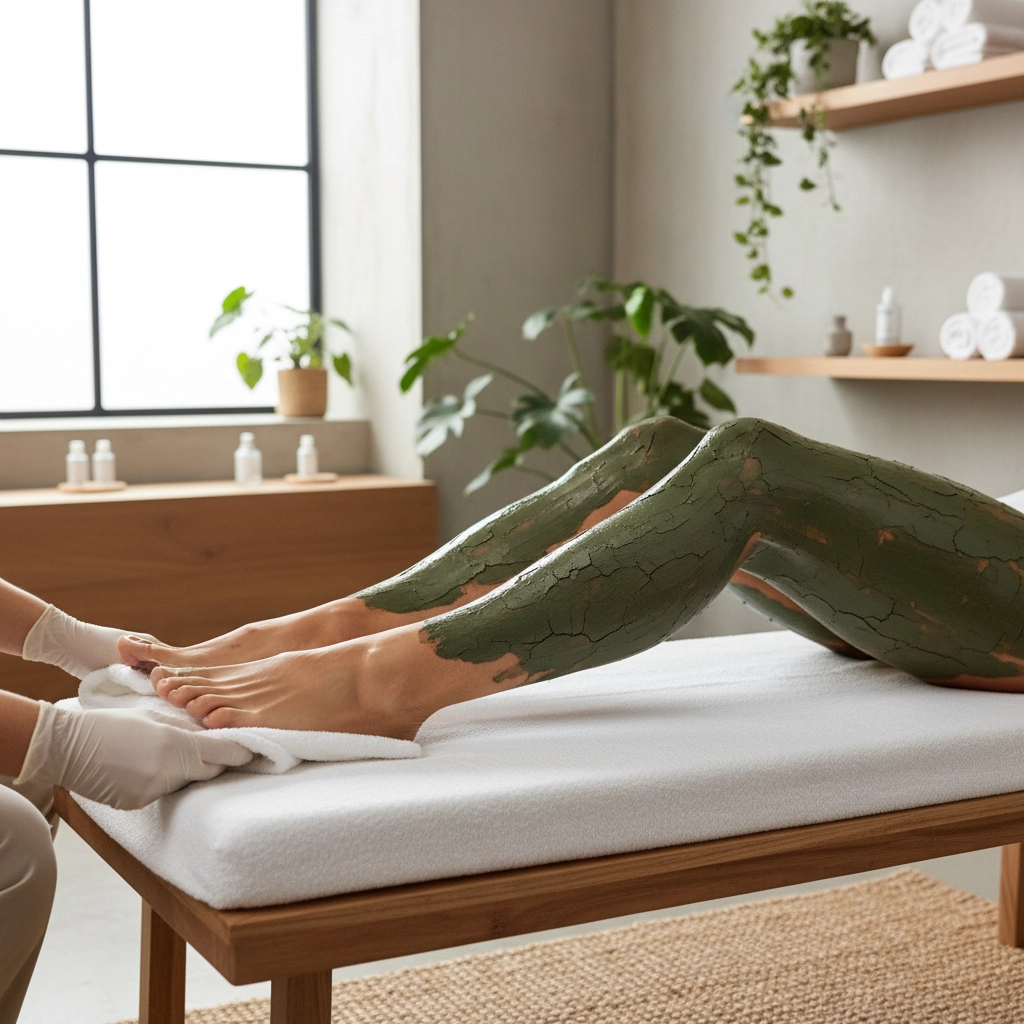
Natural recovery solutions can provide additional support for your body's healing processes. French green clay offers powerful anti-inflammatory properties that help soothe sore muscles and joints naturally. Unlike synthetic alternatives, high-quality healing clay works with your body's natural processes to promote faster recovery without harsh chemicals or side effects.
Nutrition Strategies That Sustain Energy
Your energy levels on the court reflect your nutritional choices off the court. Pre-practice nutrition should focus on easily digestible carbohydrates that provide quick energy without causing digestive distress. Consume a light meal or snack 1-2 hours before practice, emphasizing foods like bananas, oatmeal, or whole grain toast with honey.
During extended practice sessions lasting longer than 90 minutes, maintain energy levels with small, frequent refueling. Sports drinks, diluted fruit juices, or simple snacks like dates provide readily available carbohydrates without overwhelming your digestive system.
Hydration extends far beyond just drinking water. Begin hydrating well before you feel thirsty, and continue throughout your practice session. Monitor your urine color as a simple hydration gauge: pale yellow indicates proper hydration, while dark yellow suggests you need more fluids.
Post-practice nutrition focuses on replenishing energy stores and supporting muscle recovery. Within 30-60 minutes after intense practice, consume a combination of carbohydrates and protein. This could be as simple as chocolate milk, a protein smoothie with fruit, or a turkey sandwich.
Creating Sustainable Practice Routines
Variety prevents boredom and maintains long-term motivation. Rotate between different types of practice sessions: skills drills one day, competitive games the next, and strategic pattern work on another. This approach keeps your mind engaged while developing different aspects of your game.
Incorporate social elements into your practice routine whenever possible. Training with friends, joining group lessons, or participating in organized practices creates accountability while making the experience more enjoyable. The social connections you build through pickleball often become powerful motivators that keep you coming back.
Track your progress using simple metrics that reflect improvement over time. Keep a practice journal noting specific skills worked on, breakthrough moments, and areas needing attention. This documentation provides concrete evidence of your development and maintains motivation during plateaus.
Listen to your body's signals regarding rest and intensity. Some days call for high-intensity training, while others benefit from lighter skill work or complete rest. Developing this self-awareness prevents burnout and maintains your long-term enthusiasm for the sport.
The Power of Community and Joy
Connection with the pickleball community amplifies both your energy and motivation. Engage with local clubs, participate in tournaments, and build relationships with players of various skill levels. These connections provide learning opportunities, social support, and accountability that sustain long-term participation.
Celebrate small victories and acknowledge your progress regularly. Whether it's mastering a new shot, winning a challenging point, or simply maintaining focus during a difficult practice, recognition of these achievements builds positive momentum and reinforces your commitment to improvement.
Remember that progress isn't always linear. Accept that some practice sessions will feel more challenging than others, and some days your energy levels may vary. This natural fluctuation is normal and doesn't reflect your overall development trajectory.

Building Your Sustainable Success System
The intersection of physical preparation, mental motivation, strategic recovery, and community connection creates a powerful system for sustained pickleball success. Your energy and motivation will naturally fluctuate, but having multiple support systems in place ensures you can maintain consistency even during challenging periods.
Start by implementing one or two strategies that resonate most strongly with you, then gradually build additional elements into your routine. This progressive approach prevents overwhelm while creating sustainable habits that support your long-term pickleball journey.
Remember that your relationship with pickleball should enhance your life, not drain it. When practice feels energizing and motivating, you're on the right track. When it begins to feel like a chore, it's time to reassess and adjust your approach.
You have everything you need to maintain high energy levels and genuine motivation for pickleball practice. The key lies in creating personalized systems that support your unique needs, preferences, and goals while staying connected to the joy that drew you to this amazing sport in the first place.
Your pickleball journey is a marathon, not a sprint. Invest in sustainable practices that fuel your energy and motivation today while building the foundation for years of continued enjoyment and improvement on the court.