Jiu Jitsu Tips: Improve Your Game and Recover Like a Pro
Brazilian Jiu Jitsu demands both technical excellence and physical resilience. Whether you're drilling guard passes or surviving intense rolling sessions, your success on the mats depends equally on skill development and smart recovery strategies. The best grapplers understand that improvement isn't just about training harder: it's about training smarter and giving your body the tools it needs to bounce back stronger.
Every BJJ practitioner faces the same challenge: how to consistently improve technique while managing the physical demands of a combat sport that tests every muscle, joint, and mental boundary. The answer lies in combining proven training methods with natural recovery solutions that keep you healthy, motivated, and ready for your next session.
Master the Training Fundamentals
Consistency trumps intensity when building your jiu-jitsu game. Training at least two days per week creates the minimum foundation for muscle memory development, but three to four sessions weekly accelerates your progress significantly. Regular practice transforms conscious movements into instinctive reactions: the hallmark of advanced grapplers.
Focus relentlessly on fundamentals regardless of your belt rank. Elite black belts still drill basic escapes, guard retention, and high-percentage submissions because these techniques form the foundation everything else builds upon. Spend significant time perfecting:
- Defensive positioning from bottom positions
- Guard retention when opponents attempt passes
- Basic escapes from mount, side control, and back control
- High-percentage submissions from your strongest positions
Relaxation during training conserves energy and improves technique execution. Many practitioners waste energy by tensing unnecessarily, leading to faster exhaustion and sloppy technique. Practice controlled breathing during rolls and focus on staying calm even in disadvantageous positions.
Develop Your Complete Game
One critical mistake holds back many BJJ practitioners: becoming too comfortable with their A-game while neglecting their B and C games. Once you can successfully execute a technique against 70% of your training partners, invest time developing other areas rather than perfecting that single skill.
Deliberately place yourself in bad positions during training. Let training partners pass your guard, take your back, or achieve mount, then focus on escaping and recovering. This approach builds defensive skills and creates a more well-rounded game that doesn't rely solely on explosiveness or athleticism.
Train with different partners regularly to experience various styles, body types, and strategies. Rolling with the same people repeatedly allows you to memorize their patterns rather than genuinely improving your technique. Seek out:
- Bigger, stronger opponents to test your technique under pressure
- Smaller, technical grapplers to sharpen your precision
- Newer students to practice teaching and refine fundamentals
- Higher belts to challenge your limits and expose weaknesses
Prioritize Recovery Like a Champion
Sleep remains the most powerful recovery tool available: and it's completely free. Research consistently shows that quality sleep outperforms any supplement, massage, or recovery device. After intense training sessions, your body needs 7-9 hours of quality sleep to properly repair muscle tissue and consolidate motor learning.
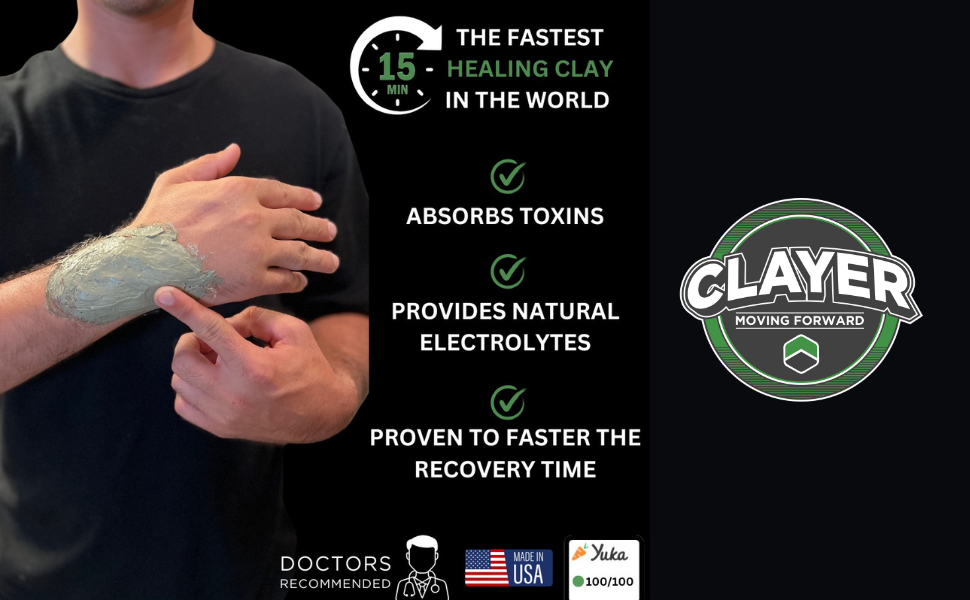
However, sleep alone isn't always enough for the physical demands of BJJ. Natural recovery solutions can accelerate healing and reduce inflammation between training sessions. CLAYER's active recovery products utilize French green clay's natural properties to draw out toxins and reduce inflammation in overworked muscles and joints.
Many professional athletes trust natural clay applications for:
- Rapid inflammation reduction after intense rolling sessions
- Natural pain relief for sore muscles and joints
- Accelerated healing of minor scrapes and mat burns
- Improved circulation in targeted areas
The beauty of natural recovery methods lies in their simplicity and safety. Unlike synthetic pain relievers or chemical-laden recovery products, pure clay applications work with your body's natural healing processes without side effects or dependency concerns.
Smart Drilling and Sparring Strategies
Drilling reinforces techniques and improves reaction times, but drill with purpose rather than mindlessly going through motions. Focus on specific details, maintain proper form, and gradually increase speed as movements become natural. Effective drilling sessions include:
- Slow, perfect repetitions to build muscle memory
- Progressive resistance as your partner gradually increases pressure
- Position-specific drilling focusing on your weakest areas
- Flow drilling connecting multiple techniques smoothly
Sparring tests and applies your learned techniques in real-time scenarios. Engage in regular rolling sessions, but don't treat every roll as a life-or-death competition. Use some sessions to experiment with new techniques, even if they fail initially. This experimentation during lower-stakes training expands your game and builds confidence in new positions.

Off-the-Mat Training for BJJ Success
Mobility training provides two major benefits: improved endurance and access to previously unavailable positions. Movement efficiency: your ability to move through space effortlessly and achieve positions required by techniques: directly impacts your gas tank during long rolling sessions.
Focused mobility work can unlock techniques like triangles for practitioners who previously struggled with the necessary range of motion. Incorporate daily stretching routines targeting:
- Hip flexibility for guard work and submissions
- Shoulder mobility for arm drags and kimuras
- Spinal rotation for sweeps and escapes
- Ankle flexibility for leg lock defense
Strength and conditioning enhance your BJJ training when applied strategically. Focus on functional movements that translate directly to grappling situations rather than isolated muscle-building exercises. CrossFit, yoga, and gymnastics complement BJJ training particularly well by building strength, flexibility, and body awareness.
Don't neglect your feet and lower legs: commonly overlooked areas that dramatically impact performance. Strong, mobile feet generate force when wrestling or playing top position and provide critical injury prevention, especially with modern leg lock games.
Mental Approach and Continuous Learning
Embrace the learning process as a journey with inevitable ups and downs. Every practitioner experiences challenging periods, plateaus, and frustrating sessions. Accept these experiences as opportunities to learn and grow rather than reasons to quit.
Set small, achievable goals rather than overwhelming yourself with unrealistic expectations. Focus on incremental improvements:
- Master one new technique each month
- Improve a specific weakness through targeted drilling
- Survive longer against higher belts
- Execute techniques more smoothly rather than forcefully
Study jiu-jitsu outside the gym through instructional videos, competition footage, and technique analysis. Record yourself rolling when possible to identify patterns and areas for improvement. Take notes after class to reinforce learning through active recall.
Stay curious and ask questions regularly. Training partners and instructors provide invaluable insights when you actively seek feedback rather than assuming you understand everything. This continuous learning mindset separates practitioners who plateau from those who progress year after year.
Recovery Integration for Long-Term Success
Successful BJJ practitioners develop comprehensive recovery routines that address both immediate soreness and long-term joint health. Natural recovery solutions fit seamlessly into post-training routines without requiring complex protocols or expensive equipment.
Professional grapplers often combine multiple recovery modalities:
- Immediate post-training: Light stretching and natural clay applications for inflamed areas
- Evening routine: Quality sleep in a cool, dark environment
- Rest days: Active recovery with gentle movement and targeted treatment of problem areas
- Weekly maintenance: Deep tissue work and comprehensive mobility sessions
The key lies in consistency rather than perfection. Small, daily recovery habits compound over time to create significant improvements in how you feel and perform on the mats.
Your Path to BJJ Excellence
Improving your jiu-jitsu game requires patience, consistency, and smart training choices. Focus on fundamentals, embrace challenging positions, and prioritize recovery as seriously as you approach technique development. Remember that every black belt was once a white belt who never gave up: your journey may have obstacles, but persistence and intelligent training will carry you through.
You have the power to accelerate your progress by combining proven training methods with natural recovery solutions that keep you healthy and motivated. The mats will test your limits, but with proper preparation and recovery, you'll be ready to meet those challenges head-on.
Your BJJ journey is unique, but the principles of improvement remain consistent: train smart, recover well, and never stop learning. Discover how natural recovery solutions can support your grappling goals and keep you training at your best, session after session.