Pre- and Post-Round Golf Mobility: Stretching for Better Performance
Pre- and post-round golf mobility isn't just another item on your checklist: it's the secret weapon that separates good golfers from great ones. While most players obsess over equipment upgrades and swing mechanics, the smartest golfers know that optimal body preparation and recovery directly translate to lower scores, increased distance, and fewer injuries.
Your body is your most valuable piece of golf equipment, and like any precision instrument, it requires proper preparation and maintenance. The difference between a stiff, unprepared body and one that's properly mobilized can mean the difference between a career-best round and another frustrating day on the course.
Why Mobility Revolutionizes Your Golf Game
Golf demands an incredibly complex sequence of movements that most recreational activities simply don't require. Your swing involves coordinated rotation through multiple planes, weight transfer, and precise timing: all while maintaining balance and control. When your body lacks proper mobility, you're essentially trying to perform this athletic feat with the parking brake on.
The three most common physical limitations that sabotage golf performance are hip stiffness (leading to poor rotation and weight-shifting problems), mid-back tightness (restricting your backswing and follow-through), and core weakness (limiting your power generation). These limitations force your body into compensatory movement patterns that not only hurt your performance but also set you up for injury.
Here's what many golfers don't realize: mobility encompasses far more than simple flexibility. True mobility combines flexibility with range of motion, strength, coordination, and balance. It's the difference between being able to touch your toes while standing still and being able to maintain perfect posture while rotating powerfully through your swing.
When you address these mobility limitations properly, you'll notice immediate improvements in your ability to:
- Generate more clubhead speed through better rotation
- Maintain consistent swing plane throughout your round
- Transfer weight efficiently for maximum distance
- Reduce fatigue and maintain performance through 18 holes
Your Pre-Round Activation Protocol
Before stepping onto the first tee, your body needs dynamic preparation that mirrors the movements you'll perform during your round. Static stretching before golf is actually counterproductive: you want to activate muscles and prepare joints through movement-based exercises.
Hip and Thoracic Spine Activation
The Spiderman Stretch is your go-to movement for awakening both hip and thoracic spine mobility. Step into a deep lunge position, place both hands inside your front foot, then reach alternating hands toward the sky while rotating from your torso. Hold each reach for 5 seconds and repeat on both sides. Keep your back knee off the ground for an additional challenge that better mimics your golf stance.
Four-Way Leg Swings prepare your hips for the varied positions they'll encounter throughout your swing. These dynamic movements ensure your hips can rotate freely in all directions, preventing the stiffness that leads to lower back compensation.
Rotational Power Preparation
Windmill Turns directly train the torso rotation you use on every swing. This movement pattern establishes proper sequencing between your upper and lower body, ensuring maximum power transfer. Perform these slowly at first, then gradually increase the speed as your body warms up.
Split Leg Trunk Twists are particularly effective because they combine the athletic stance you'll use in golf with the rotational demands of your swing. This exercise bridges the gap between preparation and performance.
Post-Round Recovery Strategy
After your round, your focus shifts completely from activation to recovery. This is where static stretching becomes your best friend, helping prevent the tightness that can accumulate over 4-5 hours of repetitive movement.
Hip Flexibility Restoration
The 90/90 Hip Stretch targets both internal and external hip rotation simultaneously: the exact movements your swing demands. Sit with one leg bent in front of your body and the other beside you, both forming 90-degree angles. Keep your back straight and gradually lean forward, holding for 60 seconds on each side.
The Standing Piriformis Stretch addresses this crucial hip stabilizer that often becomes tight during golf. Stand facing a table or bench, place your lower leg up with your hip rotated out, then lean forward gently until you feel the stretch. Hold for 30 seconds while gradually increasing the stretch.
Spine and Core Recovery
Your thoracic spine takes a beating during golf, especially if you play multiple rounds per week. Gentle rotational stretches help maintain the range of motion you activated during your pre-round routine, preventing stiffness from setting in overnight.
Don't neglect your hamstrings and calf muscles: these maintain proper lower body posture and prevent the lower back pain that plagues many golfers. Tight hamstrings force your pelvis into poor positions that compromise your entire swing.

The Three Critical Areas Every Golfer Must Address
Hip Mobility: Your Power Source
Your hips are the engine of your golf swing. An efficient swing requires both internal rotation (rotating into your hip during the backswing) and external rotation (rotating out of your hip through impact). Hip mobility work doesn't just target the joint itself: it addresses the entire network of muscles including your glutes, flexors, piriformis, and psoas.
Thoracic Spine: Your Range Creator
Mid-back mobility is non-negotiable for consistent ball-striking. Your thoracic spine must rotate freely to achieve full backswing without forcing your lower back to compensate. Most golfers develop thoracic stiffness from desk work and poor posture, making this area critical for both performance and injury prevention.
Core Integration: Your Stability Foundation
While often overlooked in mobility routines, core engagement during movement allows you to separate upper and lower body rotation effectively. This separation is what creates the lag and power that characterizes elite golf swings.
Enhancing Recovery with Natural Solutions
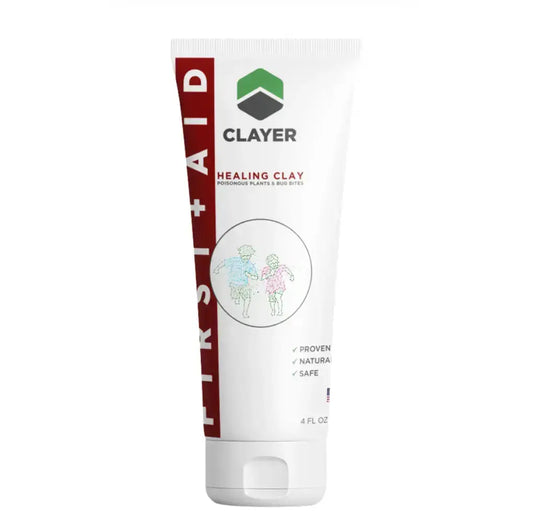
Smart golfers understand that recovery extends beyond stretching. Your body's natural healing processes can be significantly enhanced through targeted recovery protocols. This is where natural solutions like those found in CLAYER's active recovery collection become invaluable for serious golfers.
French green clay, for instance, has been used for centuries to reduce inflammation and promote healing. When applied to sore muscles and joints after a round, it helps accelerate the recovery process naturally, allowing you to maintain your mobility work consistently without being sidelined by soreness or minor aches.
The key is consistency: performing mobility work daily and implementing targeted recovery after each round creates a compound effect that dramatically improves your golf performance over time. One set of stretches daily, plus additional work before and after each round, establishes the foundation for long-term improvement.
Professional-Level Implementation
Tour professionals understand that mobility work is non-negotiable. They don't view it as optional: it's as essential as practicing their putting. The difference between amateur and professional approaches to mobility lies in consistency and progression.
Start with gentle movements and gradually increase range of motion over time. Never force stretches or bounce during static holds, as this can cause muscle strain rather than promote flexibility. Listen to your body and adjust intensity based on how you feel each day.
Remember to keep stretching sessions focused but not rushed. Quality movement patterns are more valuable than quick, half-hearted stretches. Each movement should be deliberate and controlled, with attention paid to proper form and breathing.
Your Path to Better Golf Through Better Movement
Pre- and post-round mobility work isn't just about preventing injury: it's about unlocking your body's potential for better golf. When you move better, you play better. When you recover better, you improve faster.
The golfers who consistently shoot lower scores understand this fundamental truth: your body is your most important piece of equipment. Invest in its preparation and recovery with the same dedication you bring to perfecting your swing mechanics.
Start implementing these mobility protocols immediately. Your body will adapt quickly, and you'll notice improvements in your swing efficiency, power, and consistency within just a few rounds. Most importantly, you'll be able to enjoy golf for decades to come without the aches, pains, and limitations that sideline so many players.
Ready to take your golf game to the next level? Explore CLAYER's natural recovery solutions and discover how proper recovery enhancement can complement your new mobility routine for optimal performance on the course.