Staph Infection and Clay: Exploring Natural Solutions Through Global Testimonials
Staph infection and clay research has captured attention from wellness enthusiasts worldwide, with fascinating reports emerging from Europe and testimonials spanning multiple continents. While we cannot make medical claims, the stories and studies surrounding French healing clay's potential against various staph infections deserve exploration.
What's particularly intriguing are the consistent timeframes mentioned in testimonials - many people report experiencing relief within just 3 to 4 days of applying French healing clay topically. These aren't medical promises, but rather patterns observed in user experiences across different cultures and regions.
Understanding Staph Infections: The Global Challenge
Staphylococcus bacteria naturally live on our skin and in our noses, usually causing no harm. However, when these bacteria enter through cuts, scrapes, or other openings, they can cause infections ranging from minor skin irritations to serious conditions.
Common types of staph infections include:
- Skin infections (boils, cellulitis, impetigo)
- Food poisoning
- Toxic shock syndrome
- Blood infections (septicemia)
- MRSA (Methicillin-resistant Staphylococcus aureus)
The rise of antibiotic-resistant strains has led many people to explore natural alternatives, which is where the clay testimonials become particularly interesting.
European Studies: What Researchers Are Discovering
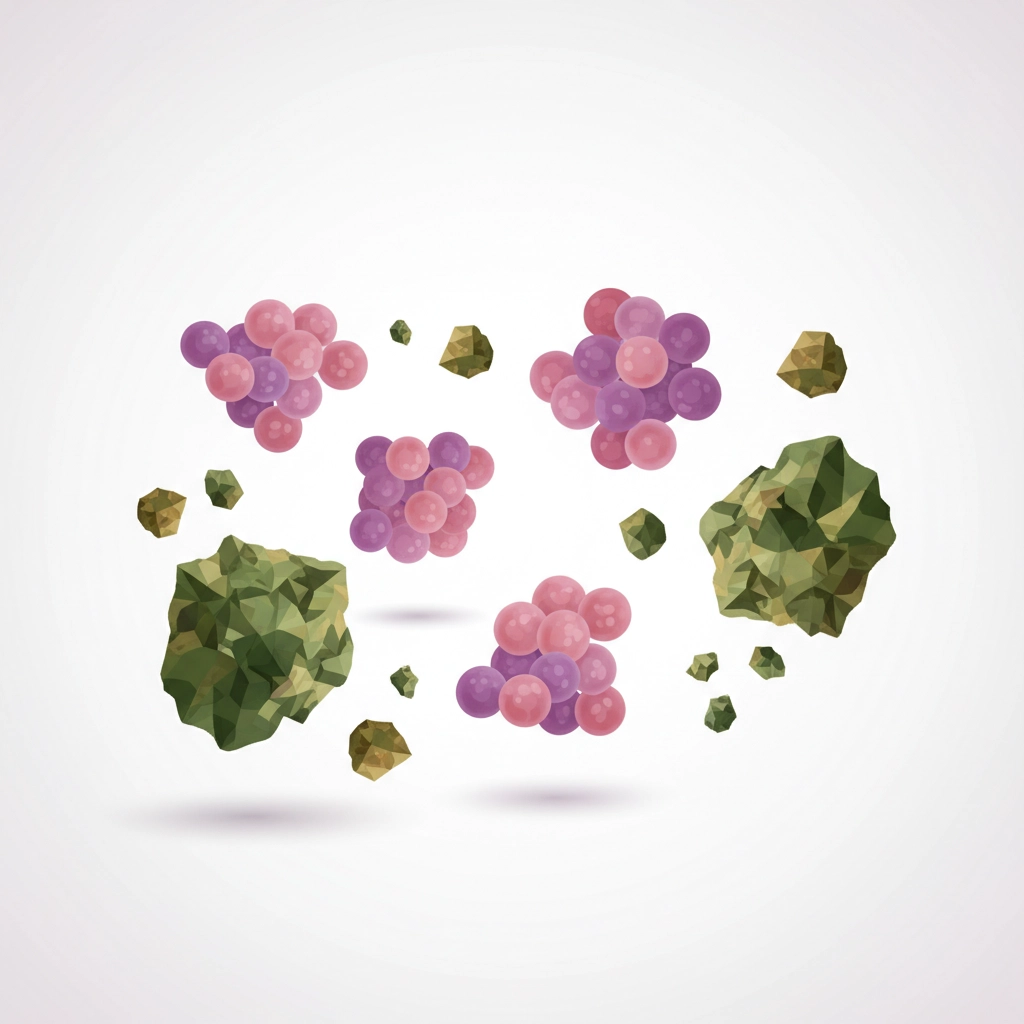
European research institutions have been investigating clay's antimicrobial properties with fascinating results. Studies from French laboratories suggest that certain clay compositions demonstrate significant activity against various bacterial strains, including staphylococcus species.
Key findings from European research include:
- Clay minerals showing antimicrobial activity in laboratory settings
- Specific clay compositions demonstrating effectiveness against resistant bacterial strains
- Traditional uses validated through modern scientific methods
- Mineral content correlation with antimicrobial properties
One particularly notable study examined how French green clay interacts with bacterial cell walls, suggesting that the mineral composition might disrupt bacterial growth patterns. However, it's important to note that laboratory results don't automatically translate to human applications.
Global Testimonials: Stories from Around the World
The internet has become a treasure trove of personal experiences with clay and staph infections. From forums in Australia to wellness communities in Canada, people share remarkably similar stories about their experiences with French healing clay.
Common themes in testimonials include:
- Rapid visible improvement within 24-48 hours
- Complete resolution often reported within 3-4 days
- Reduced inflammation and pain
- Faster healing compared to previous experiences
- Minimal side effects reported
One Australian wellness blogger shared how she applied French clay to a persistent skin infection that had troubled her for weeks, reporting significant improvement by the third day. A Canadian mother described using clay on her teenager's recurring staph infection, noting the quick response that surprised even their family doctor.
The 3-4 Day Timeline: Understanding the Pattern
The consistency of the 3-4 day timeframe in testimonials is remarkable. While we cannot guarantee these results, the pattern suggests something worth exploring further.
Possible explanations for this timeline:
- Clay's immediate drawing action on toxins and bacteria
- Natural mineral content supporting skin healing
- pH balancing effects creating unfavorable bacterial environment
- Enhanced circulation promoting faster recovery
People report that the first day often shows initial drying and drawing effects, the second day reveals reduced inflammation, and by days three to four, significant healing becomes apparent.
Types of Staph Infections Mentioned in Testimonials
User experiences span various types of staph infections, each with unique characteristics and testimonial patterns.
Skin and Soft Tissue Infections
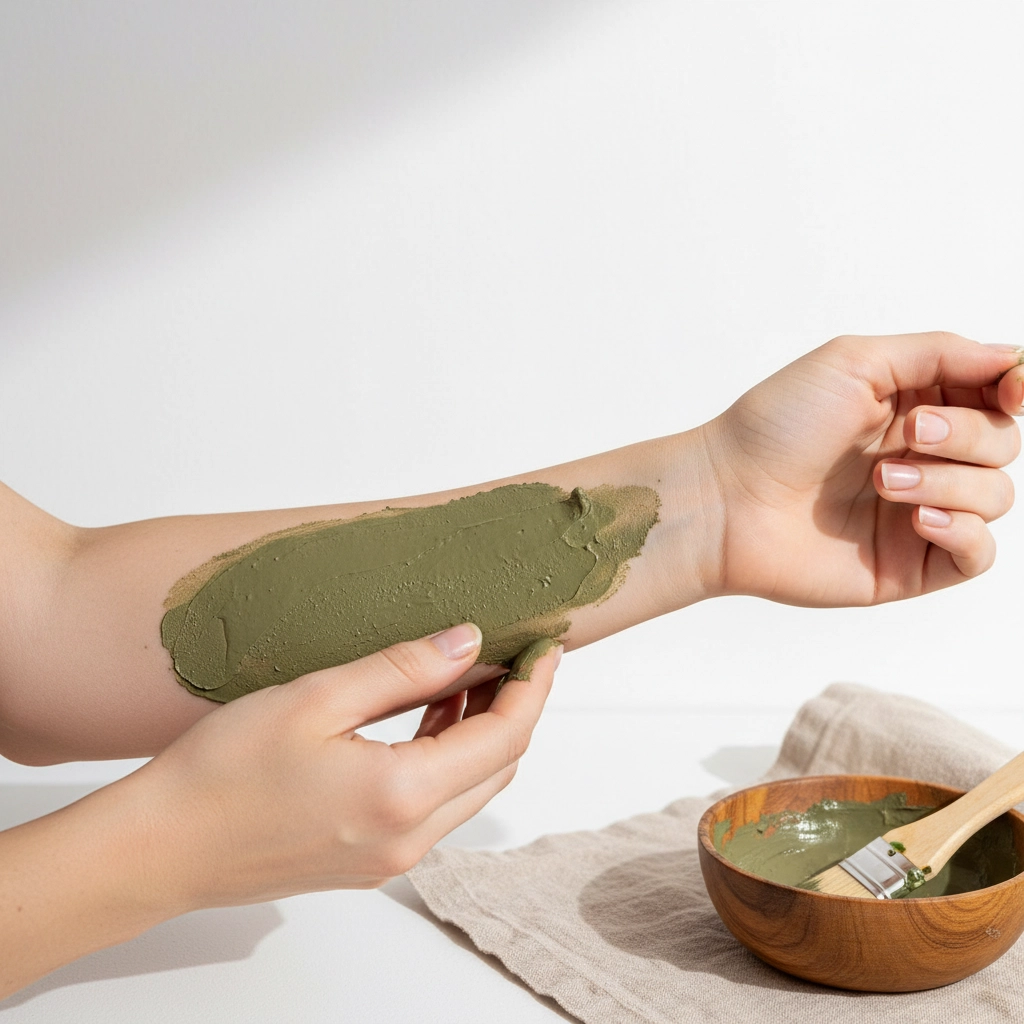
The most commonly reported successes involve surface skin infections. Testimonials describe using clay poultices on boils, cellulitis, and infected wounds with encouraging results.
MRSA Experiences
Perhaps most intriguing are reports involving MRSA, the antibiotic-resistant strain that challenges conventional medicine. Several testimonials describe clay applications on MRSA infections, though these should always be discussed with healthcare providers.
Recurring Infection Patterns
Many testimonials come from people who experienced recurring staph infections and found clay helpful in breaking the cycle. These stories often mention previous frustrations with conventional treatments.
How French Healing Clay Might Work: Scientific Theories
While testimonials tell compelling stories, understanding the potential mechanisms helps explain why people might experience these results.
Proposed mechanisms include:
- Mineral Exchange: Clay particles may exchange beneficial minerals while drawing out toxins
- pH Modification: Creating an alkaline environment unfavorable to bacterial growth
- Physical Drawing Action: Clay's structure potentially pulling bacteria and toxins from tissues
- Anti-inflammatory Properties: Reducing inflammation that supports bacterial growth
Quality Matters: Why Clay Source Is Crucial
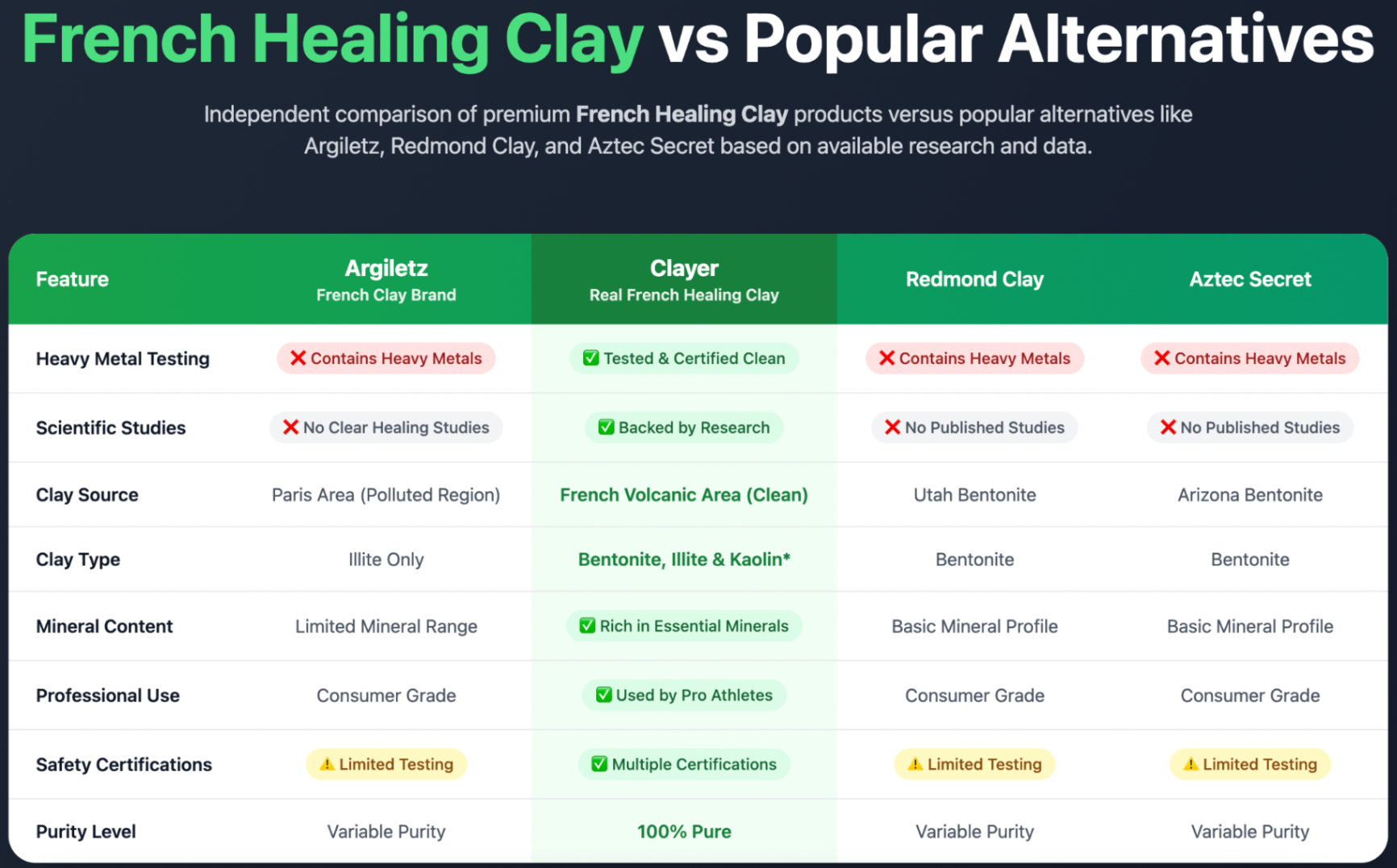
Not all clays are created equal, and testimonials often emphasize the importance of high-quality, tested clay. European studies specifically examine French green clay from volcanic regions, known for its unique mineral profile.
CLAYER's French healing clay stands out because it's:
- Sourced from clean, volcanic French regions
- Tested for heavy metals and contaminants
- Composed of beneficial illite, bentonite, and kaolinite minerals
- Used by professional athletes and endorsed by healthcare providers
The testimonials specifically praising French clay suggest that source and composition matter significantly for results.
Global Cultural Perspectives on Clay Healing
Clay use for infections spans cultures and centuries. European spas have long used clay treatments, while African and Australian Aboriginal cultures traditionally applied clay to wounds and infections.
Cultural applications include:
- French thalassotherapy using marine clays
- German naturopathic clay protocols
- Traditional Aboriginal clay medicine
- African ceremonial healing clays
These diverse cultural uses suggest that clay's antimicrobial properties have been recognized across different societies and time periods.
Safety Considerations and Realistic Expectations
While testimonials are encouraging, responsible exploration of clay for staph infections requires realistic expectations and proper precautions.
Important safety notes:
- Always consult healthcare providers for serious infections
- Never delay conventional treatment for severe conditions
- Start with small test areas to check for sensitivities
- Use only high-quality, tested clay products
- Monitor symptoms carefully and seek medical attention if worsening
Application Methods Based on Testimonials
People sharing positive experiences typically describe similar application methods, creating a pattern worth noting.
Common application approaches:
- Clean affected area thoroughly
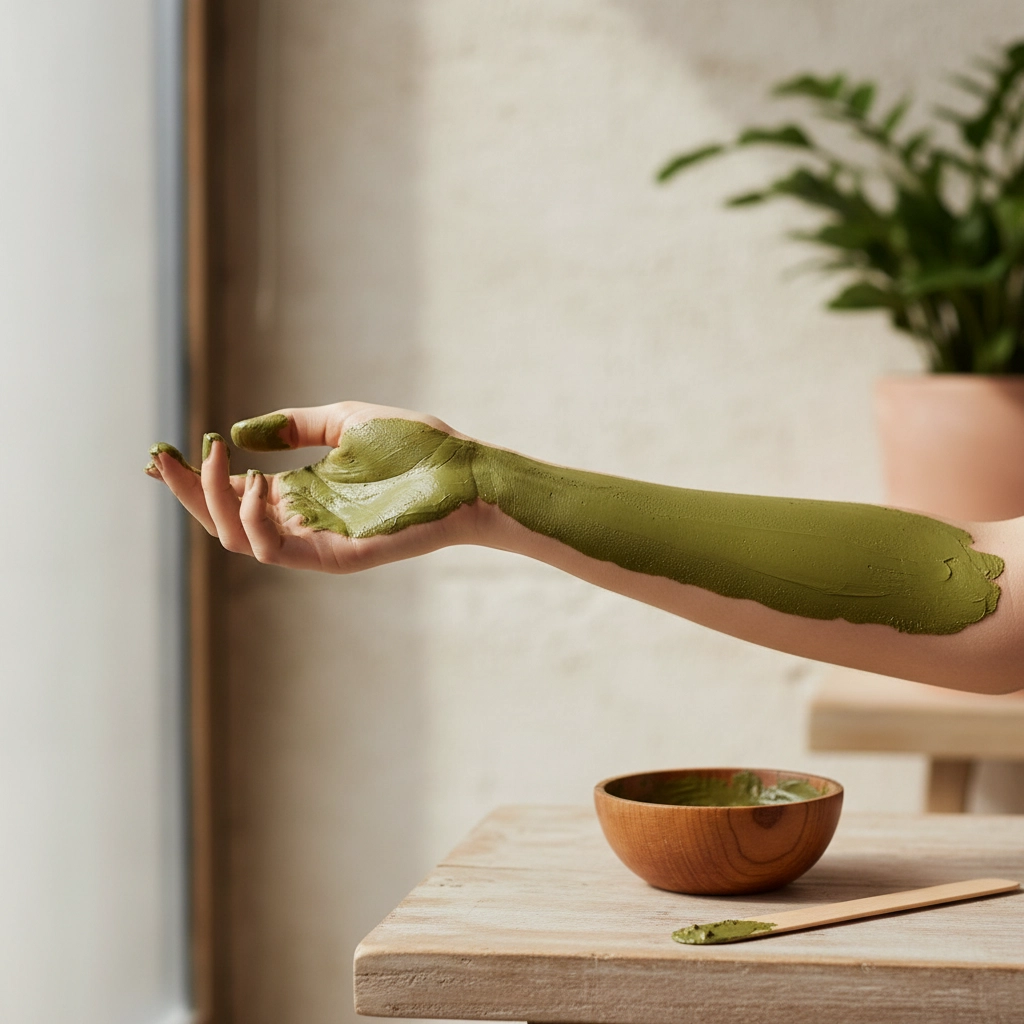
- Apply thick clay paste and allow to dry
- Leave on for 20-30 minutes initially
- Rinse with warm water and pat dry
- Repeat 2-3 times daily
- Continue for 3-4 days or until improvement
Many testimonials emphasize consistency - applying clay regularly rather than sporadically seems important for the reported results.
Professional Athletes and Clay Use
Interestingly, several professional athletes have shared their experiences with clay for various skin issues and infections. While they cannot make medical claims, their testimonials add credibility to the broader conversation.
These athlete testimonials often mention:
- Quick recovery times essential for training schedules
- Natural solutions preferred over harsh chemicals
- Positive experiences shared with team medical staff
- Consistent results across different types of skin issues
What Healthcare Providers Are Saying
While not making treatment recommendations, some healthcare providers acknowledge the growing interest in clay applications and the testimonials their patients share.
Sports doctors particularly note:
- Patient reports of positive clay experiences
- Interest in natural alternatives to harsh treatments
- Observations of clay's drawing and drying effects
- Encouragement to explore complementary approaches safely
Looking Forward: Research and Testimonials
The intersection of European research and global testimonials creates an interesting landscape for understanding clay's potential role in addressing staph infections.
Future directions might include:
- More comprehensive clinical studies
- Standardized application protocols
- Better understanding of optimal clay compositions
- Documentation of long-term outcomes
The 3-4 day recovery timeframe mentioned consistently in testimonials deserves particular research attention, as this pattern appears across different populations and infection types.
Exploring CLAYER's Natural Solutions
For those interested in exploring clay applications based on these testimonials and studies, CLAYER's first-aid collection offers tested, high-quality French healing clay products.
Our Skin Pure Bentonite Clay represents the same type of French clay mentioned in European studies and global testimonials. Doctor-recommended and used by professional athletes, it provides a safe way to explore clay's traditional uses.
Remember, we're not making medical claims - we're simply providing access to the same high-quality French clay that people worldwide are discussing in their testimonials and that European researchers are studying in their laboratories.
The stories are compelling, the research is promising, and the 3-4 day timeframe mentioned repeatedly in testimonials continues to intrigue both users and researchers alike. While everyone's experience may differ, the consistency of these reports suggests that French healing clay deserves serious consideration as a natural approach worth exploring - always in consultation with healthcare providers for serious conditions.