Top Sports Performance Tips to Take Your Game to the Next Level
Top sports performance improvement isn't just about training harder: it's about training smarter. Whether you're a weekend warrior or a competitive athlete, achieving peak performance requires a strategic approach that combines proper training, recovery, nutrition, and mental preparation. The difference between good and great athletes often comes down to the small details that compound over time.
Every champion knows that top sports performance starts with understanding your body's needs and responding with precision. From professional athletes who trust proven recovery solutions to sports medicine experts who recommend natural healing methods, the path to excellence is built on evidence-based strategies that work.
Set SMART Performance Goals That Drive Results
Goal setting transforms average athletes into champions. Without clear, measurable objectives, your training lacks direction and purpose. SMART goals: Specific, Measurable, Achievable, Relevant, and Time-bound: provide the roadmap for your athletic journey.
Instead of saying "I want to get faster," commit to "I will improve my 40-yard dash time by 0.3 seconds within 8 weeks through sprint training three times per week." This specificity creates accountability and allows you to track progress systematically.
Break larger goals into weekly milestones. If your target is a 15% strength increase over three months, aim for 1.25% improvement each week. Document every session, celebrate small victories, and adjust your approach based on real data, not feelings.
Master Periodized Training for Peak Performance
Periodization separates elite athletes from recreational players. This systematic approach divides your training year into distinct phases, each targeting specific adaptations while preventing overtraining and burnout.
Your off-season focuses on building foundational strength and addressing weaknesses. Pre-season emphasizes sport-specific skills and conditioning. In-season maintains performance while managing fatigue through reduced volume but maintained intensity. Post-season allows for active recovery and reflection.
Research from the National Institute of Health shows that periodized training produces superior results compared to non-periodized approaches, with athletes showing 15-25% greater improvements in strength, power, and endurance markers.
Implement Science-Based Training Methods
The most effective training methods are backed by research, not trends. Sprint training, plyometric training, and resistance training each produce measurable performance improvements when applied correctly.
Sprint training shows the highest per-session effect size (0.108), followed by plyometric training (0.092) and resistance training (0.087). However, combining these methods creates synergistic effects that exceed individual benefits.
Focus on:
- Resisted sprinting for acceleration development
- Unilateral resistance training for single-leg strength and stability
- Multiplanar plyometrics for power in all movement directions
- Sport-specific movement patterns that directly transfer to competition
The key is progressive overload: gradually increasing training stress while allowing adequate recovery between sessions.
Prioritize Recovery as Your Secret Weapon
Recovery isn't passive: it's where adaptation happens. Your body doesn't get stronger during training; it gets stronger during recovery when proper repair processes occur.
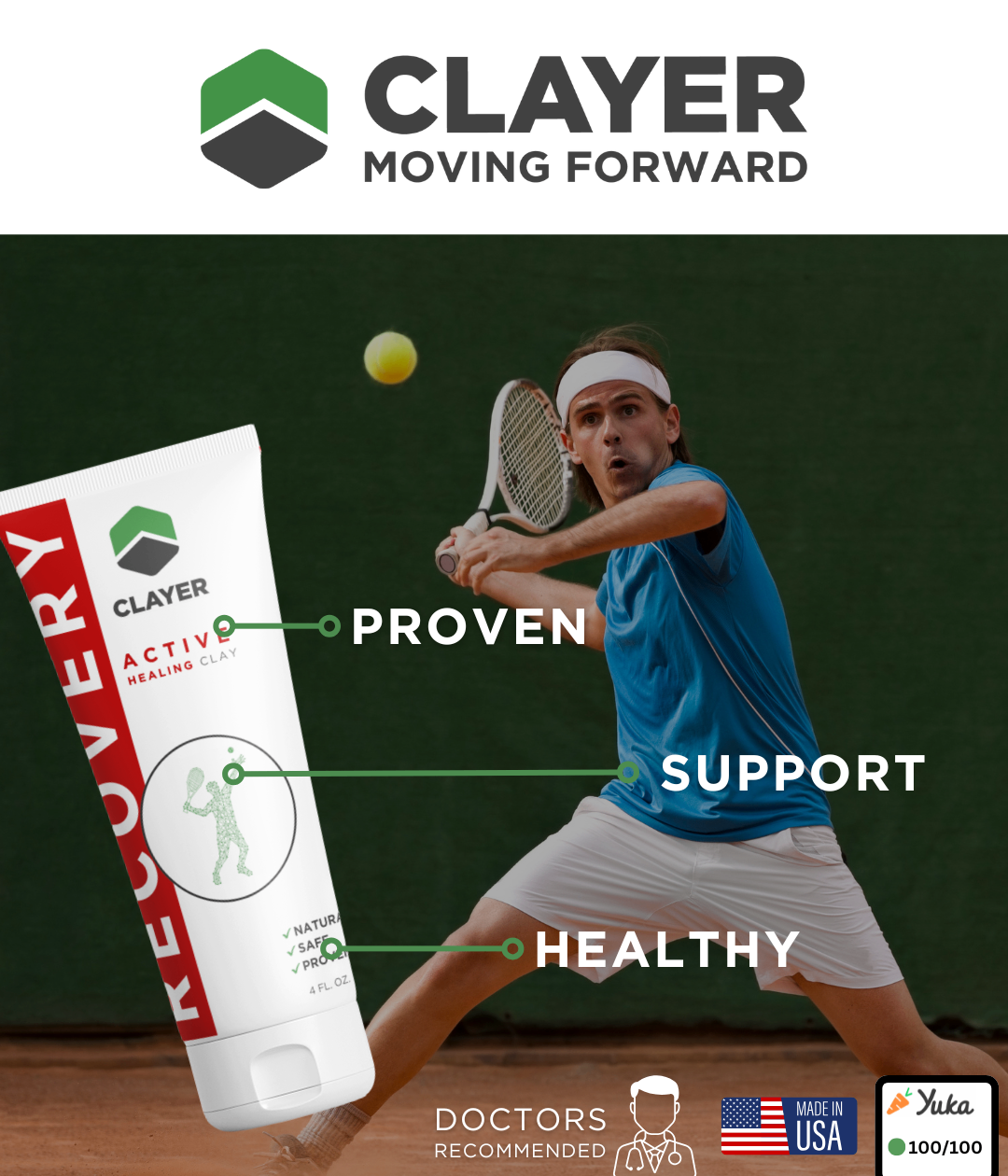
Elite athletes understand that recovery determines how hard they can train tomorrow. Professional athletes who trust CLAYER consistently emphasize recovery as their competitive advantage.
Sleep remains the most powerful recovery tool. During deep sleep phases, your body releases growth hormone, repairs muscle tissue, and consolidates motor learning from training sessions. Aim for 7-9 hours nightly, with consistent sleep and wake times.
Active recovery techniques accelerate the healing process. Light movement, proper nutrition, hydration, and targeted recovery protocols help your body return to peak performance capacity faster than complete rest.
For natural recovery support, many athletes turn to proven solutions like CLAYER's active recovery products, which provide chemical-free healing and inflammation reduction.

Fuel Performance Through Strategic Nutrition
Your nutrition directly impacts your performance ceiling. Athletes require higher caloric intake and specific nutrient timing to support training demands and adaptation processes.
Pre-training nutrition should emphasize easily digestible carbohydrates for immediate energy. Post-training focuses on protein for muscle repair and carbohydrates for glycogen replenishment. The 30-60 minute post-exercise window is critical for optimal recovery.
Hydration affects every physiological process. Even 2% dehydration can decrease performance by 10-15%. Monitor your urine color: pale yellow indicates proper hydration status.
Key performance nutrition principles:
- Complex carbohydrates for sustained energy
- Lean proteins for muscle repair and growth
- Healthy fats for hormone production and joint health
- Micronutrients for enzymatic processes and immune function
Develop Unshakeable Mental Performance
Mental preparation separates champions from competitors. Sports psychology research consistently shows that mental skills training produces measurable performance improvements across all sports.
Visualization involves mentally rehearsing successful performances in vivid detail. This primes your nervous system for actual execution by creating neural pathways similar to physical practice. Spend 10-15 minutes daily visualizing perfect technique and successful outcomes.
Focus control determines performance under pressure. Develop pre-competition routines that direct attention to relevant performance cues while blocking distractions. Practice refocusing techniques for when things don't go according to plan.
Positive self-talk reinforces confidence and maintains motivation during challenging moments. Replace negative thoughts with specific, action-oriented cues that guide performance improvement.

Master Sport-Specific Skills Through Deliberate Practice
Generic training builds athletes; specific training builds champions. While general athletic development provides the foundation, sport-specific skills determine competitive success.
Deliberate practice involves focused attention on specific technical elements that need improvement. Quality trumps quantity: concentrated 30-minute sessions often produce better results than unfocused 2-hour training sessions.
Break complex skills into component parts, master each element, then integrate them into fluid movement patterns. Use video analysis to identify technical flaws and track improvement over time.
Practice under game-like conditions whenever possible. Competition demands often differ from practice environments, so simulate pressure situations during training.
Address Injuries Quickly and Naturally
Minor injuries become major problems when ignored. Early intervention prevents small issues from derailing your season or training progression.
Sports medicine doctors recommend natural healing approaches that support the body's repair processes without interfering with normal physiological function.
For cuts, bruises, strains, and inflammation, many athletes choose CLAYER's first-aid solutions for their proven effectiveness and chemical-free composition. These products work with your body's natural healing mechanisms rather than masking symptoms.
The R.I.C.E. protocol (Rest, Ice, Compression, Elevation) provides immediate care for acute injuries, but the addition of natural healing clays can accelerate tissue repair and reduce recovery time significantly.
Track Progress with Precision
What gets measured gets improved. Systematic tracking reveals patterns, identifies weaknesses, and validates training methods.
Keep detailed training logs documenting:
- Performance metrics (times, distances, weights, repetitions)
- Subjective measures (energy levels, soreness, motivation)
- Recovery indicators (sleep quality, heart rate variability)
- Nutrition and hydration intake and timing
Review your data weekly to identify trends and adjust your approach based on actual results rather than assumptions. Technology can help, but consistent manual tracking often provides more meaningful insights.
According to Mayo Clinic research, athletes who systematically track performance show 20-30% greater improvements compared to those who train intuitively.
Build Your Performance Support Team
Champions don't succeed alone: they leverage expert guidance. Whether it's coaches, trainers, or recovery specialists, surrounding yourself with knowledgeable professionals accelerates improvement while reducing injury risk.
A qualified coach provides objective assessment, designs progressive training programs, and helps you avoid common mistakes that derail progress. They see technical flaws you might miss and adjust your training based on scientific principles.
Sports medicine professionals help maintain your health and address issues before they become serious problems. Regular assessments identify imbalances, movement dysfunctions, and injury risks that could limit performance.
Nutritionists ensure your fueling strategy matches your training demands and recovery needs. Recovery specialists help optimize your restoration processes through various modalities and techniques.
FAQs
How quickly can I expect to see performance improvements? Most athletes notice improvements within 2-4 weeks with consistent training, though significant gains typically require 8-12 weeks of dedicated effort. Neural adaptations occur first, followed by structural changes.
What's the most important factor for sports performance? Consistency trumps everything else. Perfect training done sporadically produces inferior results to good training done consistently over time.
How do I know if I'm overtraining? Warning signs include decreased performance, elevated resting heart rate, poor sleep quality, increased injury susceptibility, and loss of motivation. If you experience these symptoms, prioritize recovery over training volume.
Should I focus on strength or endurance first? This depends on your sport and current fitness level. Generally, building a strength foundation first provides better long-term results, as strength supports power and endurance development.
How important is recovery compared to training? Recovery is equally important as training. Your body adapts during rest periods, not during exercise. Without adequate recovery, training stress accumulates without corresponding performance gains.
Ready to take your performance to the next level? Explore CLAYER's proven recovery solutions that help elite athletes recover faster and train harder. With doctor recommendations and athlete endorsements, CLAYER provides the natural edge your competition wishes they had. Visit our active recovery collection and discover why champions choose natural solutions for peak performance.