Weight Loss Plan in 5 steps
How to Lose Weight: A Realistic 5-Step Plan That Actually Works
In San Diego you have every advantage — trails, beaches, perfect weather for walking or running, gyms on every corner. Yet the scale still doesn't move for most people because motivation fades, habits slip, or the plan is unrealistic from day one. Weight loss isn't about extreme cuts or magic pills; it's a sustained calorie deficit created through small, repeatable choices. Done right, you lose 1–2 pounds per week safely; faster usually means muscle/water loss and rebound gain.
This 5-step plan is grounded in what actually works long-term (evidence from NIH, CDC, Mayo Clinic guidelines): structured goals, controlled deficit, nutrient-dense food, movement, and patience. No shortcuts — consistency over intensity wins.
1. Set a Specific and Achievable Goal
Vague "lose weight" fails. Make it SMART: Specific, Measurable, Achievable, Relevant, Time-bound. Example: "Lose 12 pounds in 12 weeks by dropping to 1800 calories/day and walking 10,000 steps daily." Track weekly average weight (morning, fasted) — aim 0.5–1% bodyweight loss per week. Unrealistic goals (10 lbs in a month) lead to frustration and quitting.
2. Create a Calorie Deficit — The Only True Driver
Weight loss = calories in < calories out. Use a TDEE calculator (online tools estimate maintenance calories), then subtract 300–500 for moderate loss (or 500–750 for faster but harder). Track intake accurately (MyFitnessPal, Cronometer) for 2–4 weeks to learn portions — most people underestimate by 20–50%. Increase activity to widen the deficit without starving yourself.
3. Eat a Well-Balanced, Nutrient-Dense Diet
Focus 80% on whole foods: vegetables, fruits, lean proteins (chicken, fish, eggs, Greek yogurt), healthy fats (avocado, nuts, olive oil), moderate complex carbs (sweet potatoes, oats, quinoa). Limit processed foods, sugary drinks, and refined carbs — they spike hunger and add empty calories. Protein high (1.6–2.2 g/kg bodyweight) preserves muscle during deficit. In San Diego, leverage farmers markets for fresh produce to make meals enjoyable and sustainable.

4. Incorporate Physical Activity — But Don't Rely on It Alone
Aim for 150–300 minutes moderate cardio/week (brisk walking, cycling, swimming) + strength training 2–3x/week (full-body or lower/upper split). Movement burns extra calories, builds muscle (higher metabolism), and improves mood/adherence. Start with walking if sedentary — San Diego's beaches and trails make this effortless. Strength preserves muscle so you lose fat, not lean mass.
5. Stay Consistent and Patient — The Hard Part
Progress is rarely linear: plateaus happen (water retention, metabolic adaptation), weekends derail, life interferes. Track non-scale wins (measurements, clothes fit, energy, strength). If stuck 3–4 weeks, adjust calories down 100–200 or activity up — not drastic cuts. Be patient: sustainable loss is slow by design. Quick drops usually rebound.
Quick Reality Check & Safety Notes
- 1–2 lbs/week is healthy; faster risks muscle loss, gallstones, nutrient gaps.
- Women often lose slower (hormones); men faster — don't compare.
- Consult a doctor before starting, especially with conditions (thyroid, PCOS, meds).
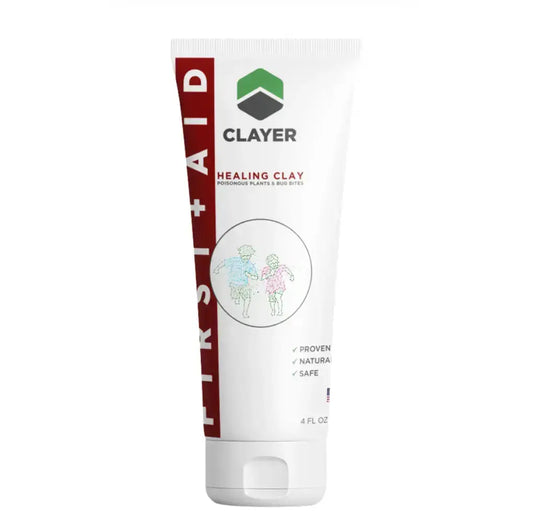
- Recovery matters: if increasing activity, use green healing clay poultice on sore legs/muscles to calm inflammation naturally and keep you moving.
The Bottom Line: Deficit + Consistency = Results
The pain of wanting to drop weight but staying the same size is exhausting — stalled scale, tight clothes, low energy. This plan removes excuses: clear goal, controlled deficit, real food, movement you can sustain, and patience for the long game. In San Diego you have the environment — now build the system. Start with one step today (track calories this week) and compound from there.
Ready to support your new routine? Premium green healing clay helps with post-activity recovery — less soreness, better consistency.
Explore Clayer Recovery Tools at BestSportRecovery.com →
Read More on Sustainable Health at BestSportRecovery.blog →
Note: Based on CDC, NIH, Mayo Clinic weight management guidelines. Not medical advice. Consult a healthcare professional before changes, especially with health conditions.