What World Testimonials Say About Clay and Staph Infections
Across continents and cultures, people are sharing remarkable stories about French healing clay and its effects on staph infections. While these accounts don't constitute medical advice, the consistency of testimonials from Europe, North America, and beyond has caught the attention of researchers studying traditional remedies.
What World Testimonials Reveal About Recovery Times
The most striking pattern in global testimonials involves rapid recovery timelines. Reports consistently mention improvement within 3-4 days, often after conventional treatments showed limited success.
European Research Context
Studies conducted in European laboratories have documented the antimicrobial properties of specific French clay deposits. Research from institutions in France and Germany indicates that certain illite-smectite clay formations demonstrate significant antibacterial activity against staphylococcal strains, including some antibiotic-resistant varieties.
North American Testimonial: The Chicago Experience
One particularly detailed account comes from Chicago, where a parent documented their child's rapid healing. After conventional treatments failed to resolve a persistent skin condition, they applied French clay topically. "It was like a miracle how quickly the sore healed. They only applied the clay a few times at bedtime," the testimonial reads.
The Instep Incident: When Antibiotics Weren't Enough
Perhaps the most documented case involves a staph infection on an individual's instep. The person had received medical diagnosis confirming staph (not MRSA) and initially tried prescribed antibiotics. When the infection persisted, they turned to clay applications.
"With applications of a clay/water mixture, it took only a few days for the infected site to heal!!" This testimonial stands out because it documents a direct comparison between conventional treatment and clay application on the same infection.
Global Patterns in Clay and Infection Testimonials
European Testimonials Focus on Traditional Knowledge
European testimonials often reference generational knowledge passed down through families. French testimonials frequently mention specific clay deposits from volcanic regions, with users noting that their grandparents used similar remedies.
German testimonials tend to emphasize the methodical approach to clay application, with detailed protocols for mixing ratios and application frequency.
North American Accounts Emphasize Rapid Results
American and Canadian testimonials consistently highlight speed of improvement. The common thread involves people trying clay after other methods showed limited results, then experiencing rapid improvement within days.
The Boils That Wouldn't Go Away
One family testimonial describes recurring boils affecting multiple body areas - underarms, groin, and knee. Despite repeated doctor visits and various prescribed medications, the boils kept returning. The family decided to try both internal and external clay applications.
"Full healing of the boils was experienced with Earth's Natural Internal Use Clay taken orally 1-2x per day and topically applied to the sites," according to their account.
What European Studies Suggest About Clay's Mechanisms
Research from European institutions provides scientific context for these testimonials. Studies indicate that specific French clay formations contain mineral compositions that create hostile environments for bacterial growth.
The Mineral Matrix Effect
European research suggests that the unique mineral matrix in French healing clays may work through multiple mechanisms:
- Adsorption properties: The clay's structure appears to bind bacterial toxins
- pH modification: Clay applications may alter local pH levels unfavorable to bacterial growth
- Mineral release: Trace minerals released from the clay may support natural healing processes
Testimonial Patterns: What People Report
Timeline Consistency
Across diverse testimonials, the 3-4 day improvement timeline appears repeatedly:
- Day 1-2: Initial application, often describing immediate drawing sensation
- Day 3-4: Visible improvement, reduced inflammation
- Day 4-5: Resolution or near-resolution of the condition
Application Methods
Global testimonials reveal consistent application approaches:
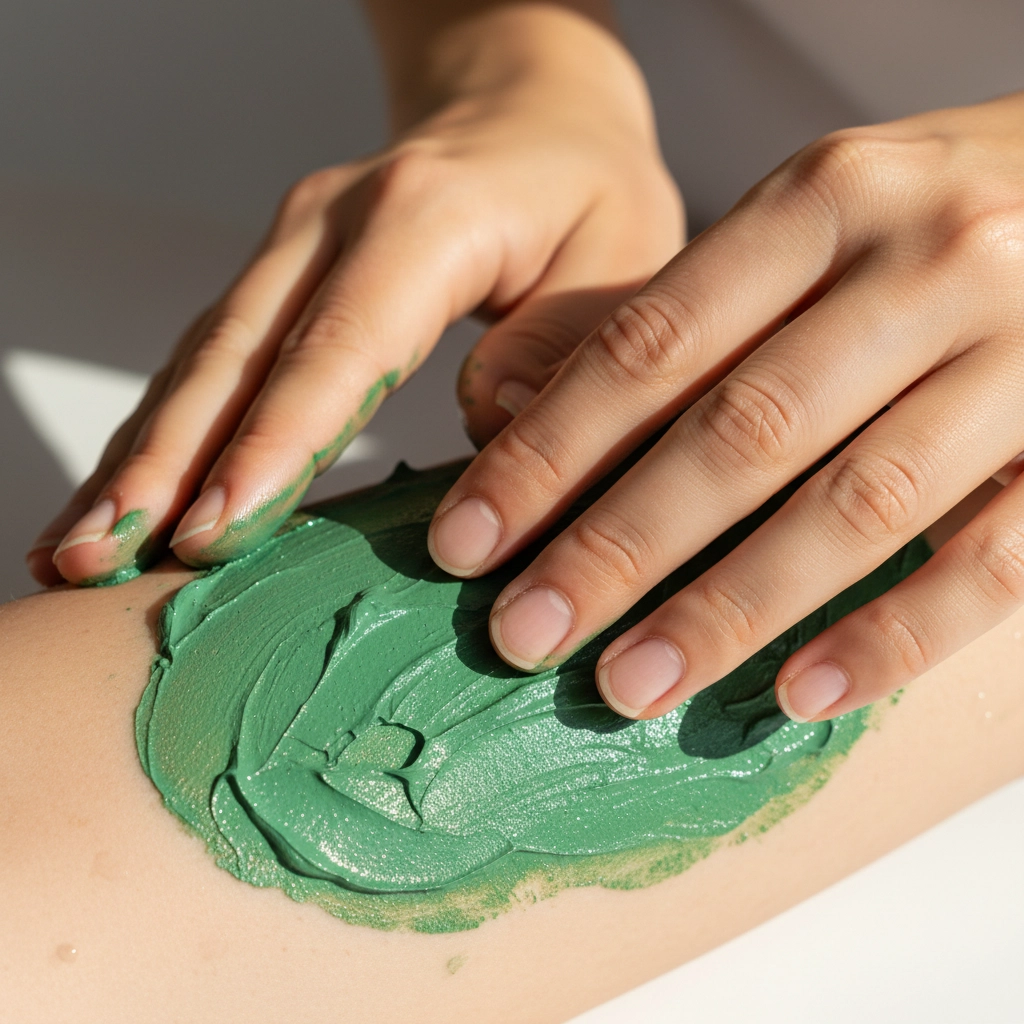
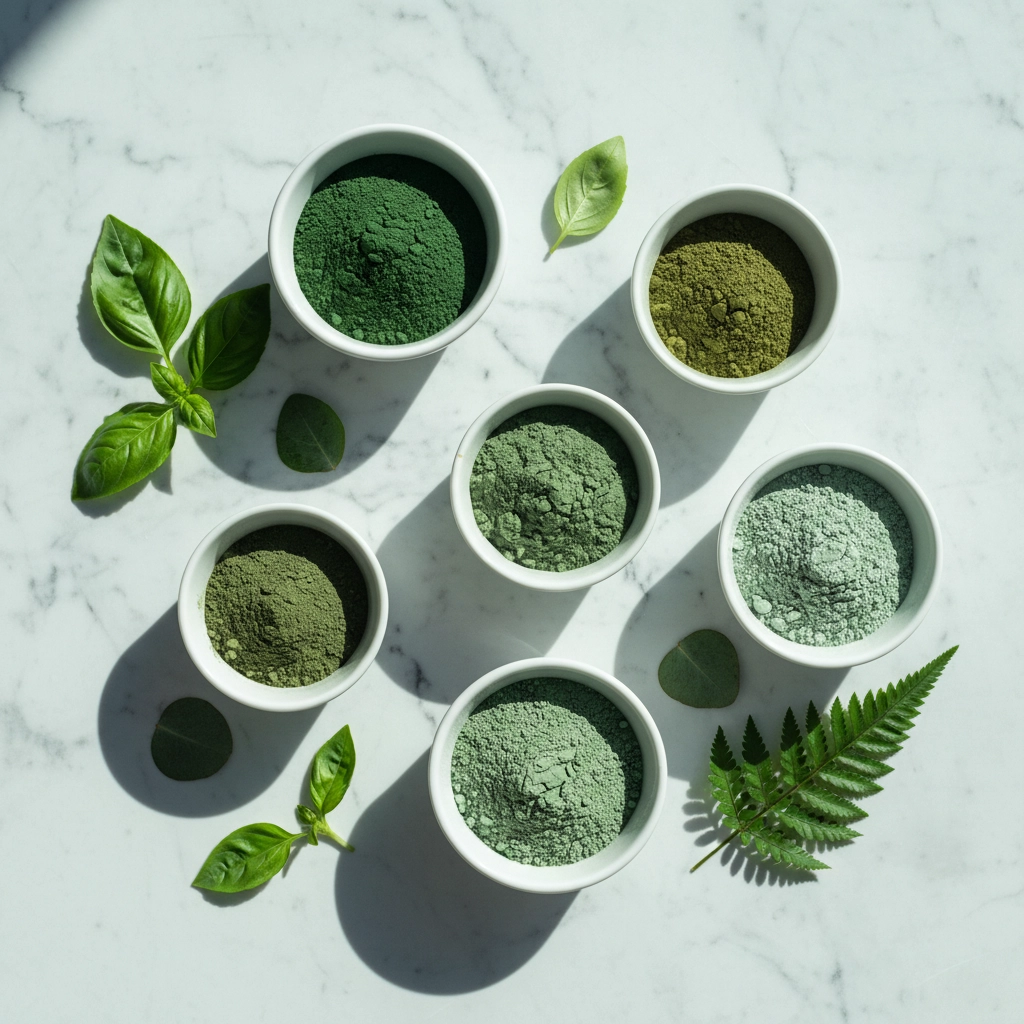
Simple Clay Paste: Most testimonials mention mixing clay powder with clean water to form a paste Overnight Applications: Many accounts describe applying clay before bedtime and leaving overnight Daily Reapplication: Most successful testimonials involve daily clay applications for 3-4 consecutive days
Geographic Variations in Clay Types
Testimonials from different regions mention specific clay types:
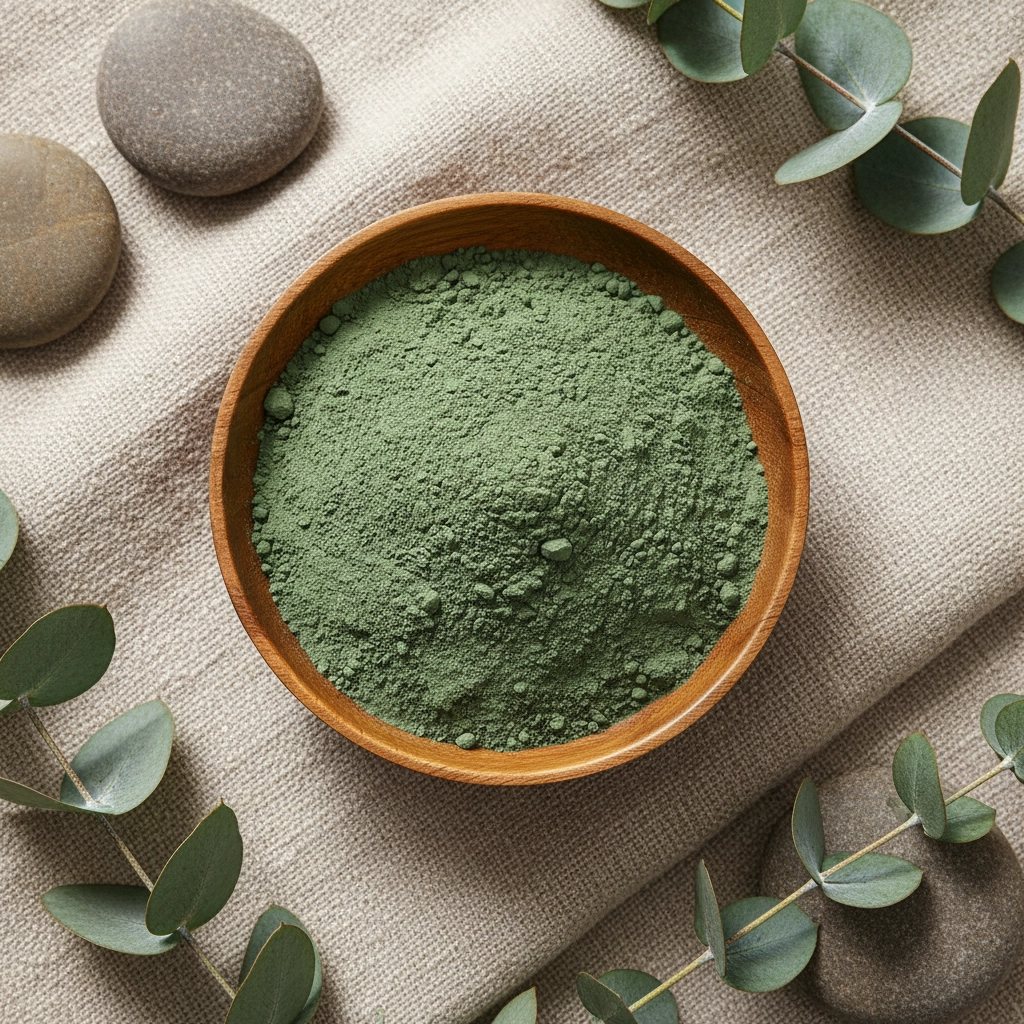
French Testimonials: Often specify green illite clay from volcanic deposits German Accounts: Frequently mention bentonite-illite combinations North American Reports: Usually reference French imported clays or specific regional deposits
The Science Behind the Stories
European research institutions have published studies examining why these testimonials might have scientific basis. Laboratory tests on French clay samples show:
- Antimicrobial activity against multiple bacterial strains
- Ability to absorb bacterial toxins
- Mineral content that may support tissue repair
University Research Findings
Studies from French universities indicate that specific clay formations demonstrate bactericidal properties against both gram-positive and gram-negative bacteria. German research has focused on the adsorption mechanisms that may explain the "drawing" sensation described in testimonials.
What Testimonials Don't Replace
While testimonials provide compelling anecdotal evidence, they don't replace medical diagnosis or treatment. The accounts shared globally represent individual experiences and should not be considered medical advice.
Important Considerations
- Serious infections require medical evaluation
- Testimonials describe personal experiences, not medical outcomes
- Clay applications should complement, not replace, professional medical care
The Community of Clay Users Worldwide
Online communities have emerged where people share their clay experiences. These forums reveal additional patterns:
Preparation Techniques: Users share specific mixing ratios and application methods Source Recommendations: Discussions about which clay deposits produce the best results Safety Protocols: Community-developed guidelines for safe clay use
International Recognition of Traditional Remedies
Several European countries have begun incorporating traditional clay therapy into complementary medicine protocols. France, in particular, has long recognized certain clay deposits for their therapeutic potential.
Regulatory Context
While the European Union regulates therapeutic claims, several member countries acknowledge traditional uses of specific clay types. This recognition provides context for why European testimonials often reference established practices.
Looking Forward: What Testimonials Suggest
The consistency of global testimonials suggests that French healing clay's interaction with staph infections deserves continued scientific attention. European research institutions continue studying the mechanisms behind these reported effects.
Research Directions
Current European studies focus on:
- Identifying specific mineral components responsible for antimicrobial effects
- Understanding optimal application protocols
- Documenting safety profiles for topical use
The testimonials from around the world provide compelling anecdotal evidence, but they also highlight the need for continued research into traditional remedies that have supported human health for generations.
As more people share their experiences with French healing clay and staph infections, patterns emerge that merit scientific investigation. While testimonials cannot substitute for medical research, they provide valuable insights into traditional practices that have helped people worldwide manage challenging skin conditions.