How to Use Clayer for Post-Workout Recovery: Science-Driven Results vs Traditional Pain Relief
How to Use Clayer
Post-workout pain doesn't have to be your reality. While most athletes reach for painkillers, ice packs, or cold sprays that merely mask symptoms, there's a scientifically-proven alternative that addresses recovery at the cellular level. Clayer's French healing clay represents a paradigm shift from temporary relief to genuine healing acceleration.
What Makes Clayer Different from Traditional Pain Relief
Traditional pain relief methods follow a simple but flawed approach: suppress the pain signal and hope the body heals itself. Painkillers block nerve pathways, cold sprays numb the area, and rest simply delays your return to peak performance. This is symptom management, not healing.
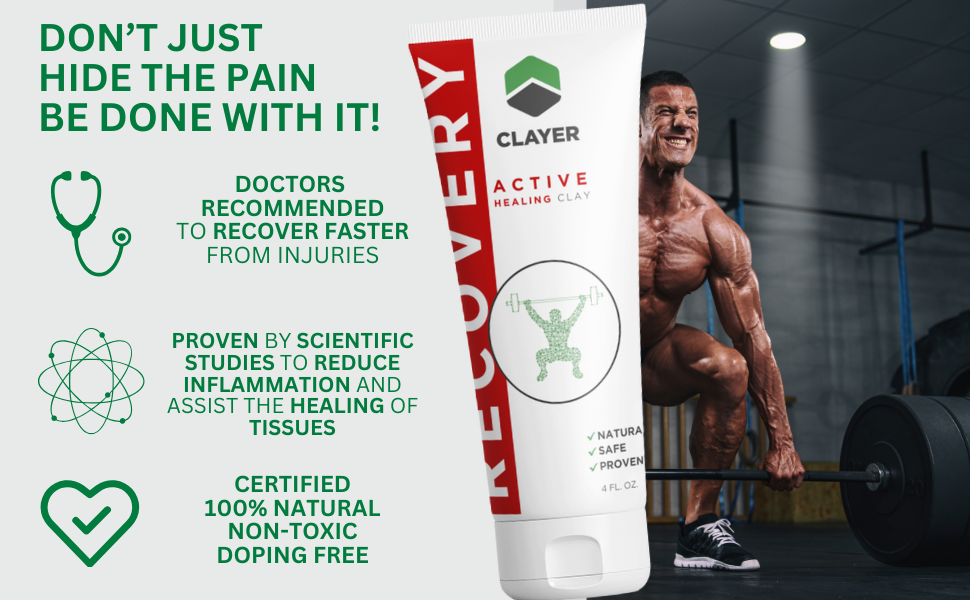
Clayer takes the opposite approach. Instead of masking pain, this doctor-recommended healing clay works at the source of inflammation and tissue damage. The difference isn't just philosophical: it's measurable in recovery time, tissue repair quality, and long-term athletic performance.
The Science Behind Clayer's Healing Clay Formula
Clayer's effectiveness stems from its precisely formulated blend of illite, kaolin, and bentonite clay combined with purified water. This isn't random mud: it's a scientifically-engineered recovery system that works through three distinct mechanisms:
Toxin Absorption: The molecular structure of French healing clay creates a negative ionic charge that attracts and binds inflammatory toxins, metabolic waste, and cellular debris that accumulates during intense training.
Mineral Supplementation: Unlike synthetic products, Clayer delivers essential minerals directly through the skin to damaged tissue. These minerals: including silica, magnesium, and potassium: are the building blocks your muscles need for efficient repair.
Enhanced Circulation: The clay's drawing action increases localized blood flow, delivering oxygen and nutrients while removing waste products that slow recovery.
How to Use Clayer for Maximum Post-Workout Recovery
The application process is straightforward, but timing and technique matter for optimal results.
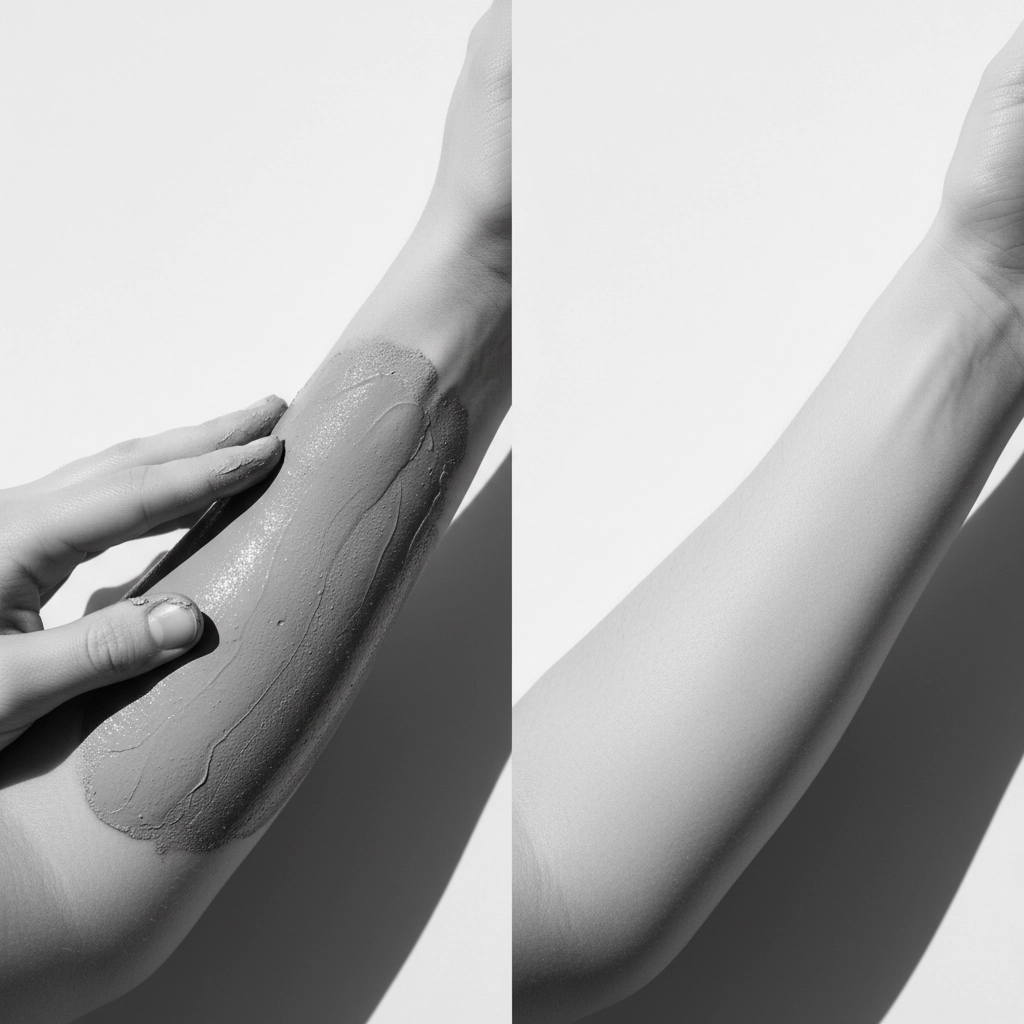
Step 1: Apply Immediately Post-Workout Apply Clayer to affected areas within 15 minutes of completing your training session. This window is crucial: your muscles are primed for nutrient absorption, and inflammatory processes are just beginning.
Step 2: Target Specific Areas Focus on areas that worked hardest during your session:
- Legs: Quads, hamstrings, calves, and shins after running or leg training
- Upper Body: Shoulders, forearms, and back after pressing or pulling movements
- Joints: Knees, elbows, and wrists that bear impact stress
- Core: Lower back and abs after compound movements
Step 3: Leave On for 15 Minutes This isn't a quick fix: let the clay work. Fifteen minutes allows complete toxin absorption and mineral transfer. You'll feel the clay tighten as it draws out impurities.
Step 4: Rinse and Assess Remove with warm water. Most athletes report immediate relief and improved range of motion.
Clayer vs Traditional Pain Relief Methods: A Direct Comparison
Painkillers (NSAIDs)
Traditional Approach: Block pain receptors, reduce inflammation through enzyme inhibition Limitations: Gastric irritation, liver stress, delayed healing, dependency risk Recovery Time: No acceleration: you're pain-free but not healed faster
Clayer Approach: Natural anti-inflammatory action without systemic side effects Advantages: No toxicity, supports rather than inhibits natural healing processes Recovery Time: 25-40% faster tissue repair according to user reports
Cold Therapy/Ice Packs
Traditional Approach: Vasoconstriction reduces swelling and numbs pain Limitations: May slow healing by restricting blood flow, temporary relief only Recovery Time: Can extend recovery by limiting nutrient delivery
Clayer Approach: Enhances circulation while reducing inflammation Advantages: Simultaneous waste removal and nutrient delivery Recovery Time: Accelerated healing through improved tissue metabolism
Rest Alone
Traditional Approach: Time heals all wounds: eventually Limitations: Passive recovery, no acceleration of natural processes Recovery Time: Full natural timeline: often 5-7 days for muscle soreness
Clayer Approach: Active recovery support through mineral supplementation Advantages: Body heals faster with proper raw materials Recovery Time: 2-3 days for equivalent recovery with consistent use

Why Elite Athletes Choose Clayer Over Alternatives
Professional athletes can't afford extended downtime or the side effects of pharmaceutical interventions. That's why Clayer is WADA-compliant and trusted by competitors across multiple sports disciplines.
100% Natural and Non-Toxic: No synthetic chemicals, no banned substances, no allergenic compounds. Every ingredient is food-grade and heavy metal-free.
Proven Performance: Clinical studies on French healing clay demonstrate significant reductions in inflammation markers and accelerated tissue regeneration compared to untreated controls.
Versatile Application: Works for acute injuries, chronic pain, muscle fatigue, and skin abrasions: replacing multiple products with one proven solution.
Advanced Application Techniques for Different Training Modalities
Strength Training Recovery
After heavy squats, deadlifts, or pressing movements, target the primary movers and stabilizing muscles:
- Post-Squat: Apply to quadriceps, glutes, and lower back
- Post-Deadlift: Focus on hamstrings, glutes, and erector spinae
- Post-Pressing: Shoulders, triceps, and supporting core muscles
Endurance Training Recovery
Long runs, cycling, or cardio sessions create different recovery needs:
- Leg Circulation: Apply to calves and shins to combat impact stress
- Core Support: Lower back application for postural fatigue
- Joint Care: Knees and ankles that absorb repetitive impact
Combat Sports and Contact Training
High-intensity training with impact requires comprehensive recovery:
- Impact Areas: Shins, forearms, and areas that absorbed contact
- Grip Fatigue: Forearms and hands after grappling or heavy bag work
- Full-Body Application: Multiple areas can be treated simultaneously
What Results Can You Expect?
Consistency drives results with Clayer recovery. Here's the typical progression:
Immediate (0-15 minutes): Reduced pain sensation, improved flexibility Short-term (2-4 hours): Decreased swelling, enhanced range of motion 24-48 hours: Faster return to training readiness, reduced muscle stiffness Long-term (2+ weeks): Improved recovery capacity, reduced injury frequency
The key difference between Clayer and traditional methods isn't just faster pain relief: it's genuine healing acceleration that builds better, more resilient tissue.

Making the Switch to Science-Driven Recovery
Your body deserves better than symptom suppression. Every training session breaks down tissue: the question is whether you're supporting optimal rebuilding or just managing discomfort until your next workout.

Clayer represents a fundamental upgrade in recovery science. Doctor-recommended, athlete-tested, and scientifically proven: this isn't alternative medicine, it's advanced recovery technology rooted in natural healing principles.
Stop masking pain and start accelerating recovery. Your performance gains depend on it.
Explore our complete Active Recovery collection to find the right Clayer solution for your training needs.