ACL Tears vs. Meniscus Injuries: Which Natural Recovery Method Works Best for Your Knee?
ACL tears vs meniscus injuries - two of the most common knee problems that can sideline athletes and active individuals. But here's what most people don't realize: your recovery approach should be completely different depending on which injury you're dealing with.
If you're facing knee pain and wondering whether natural recovery methods can get you back in the game, you're asking the right questions. The truth is, one of these injuries responds incredibly well to natural healing, while the other requires a more strategic approach.
Let's break down the science so you can make the smartest recovery decision for your specific situation.
Understanding Your Knee's Architecture
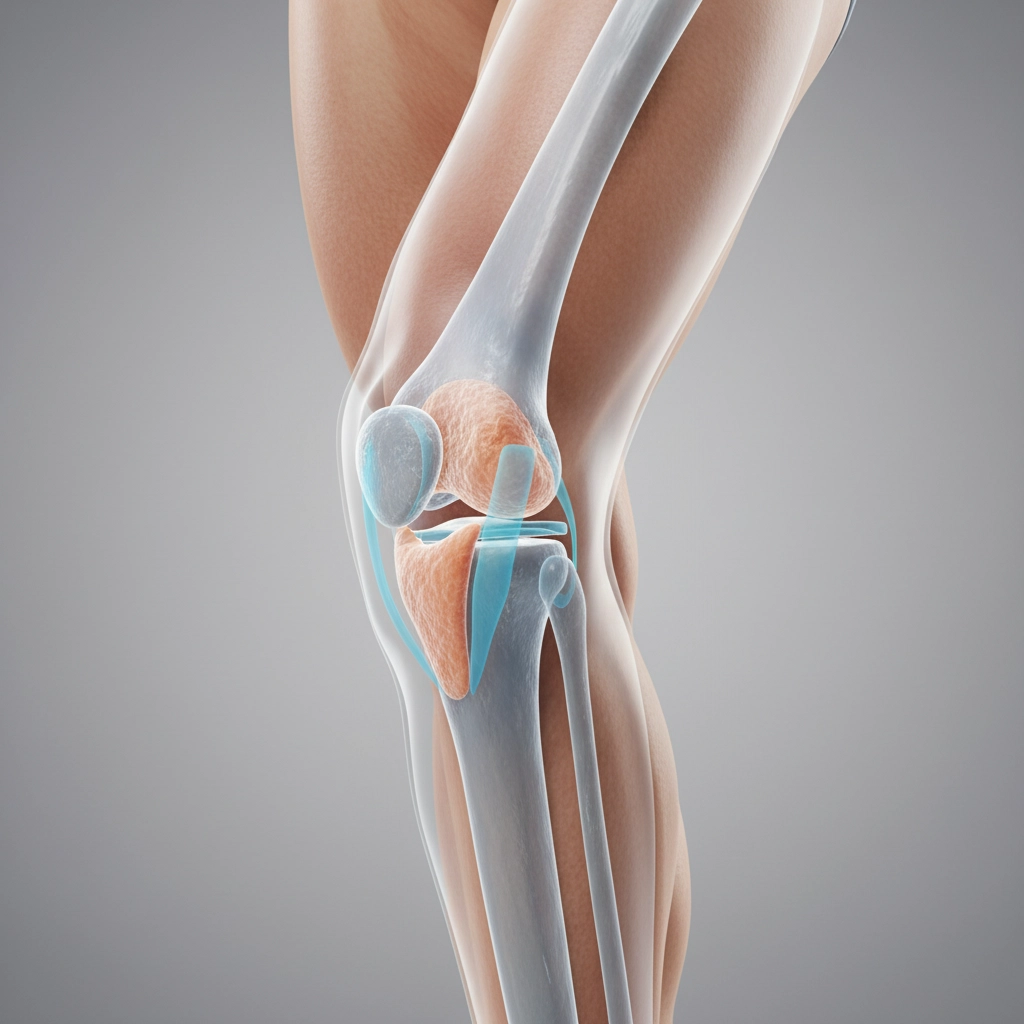
Your knee isn't just a simple hinge joint - it's a complex masterpiece of engineering featuring multiple structures working in perfect harmony. The ACL (anterior cruciate ligament) acts like a strong rope preventing your shinbone from sliding forward and providing rotational stability during those quick cuts and pivots.
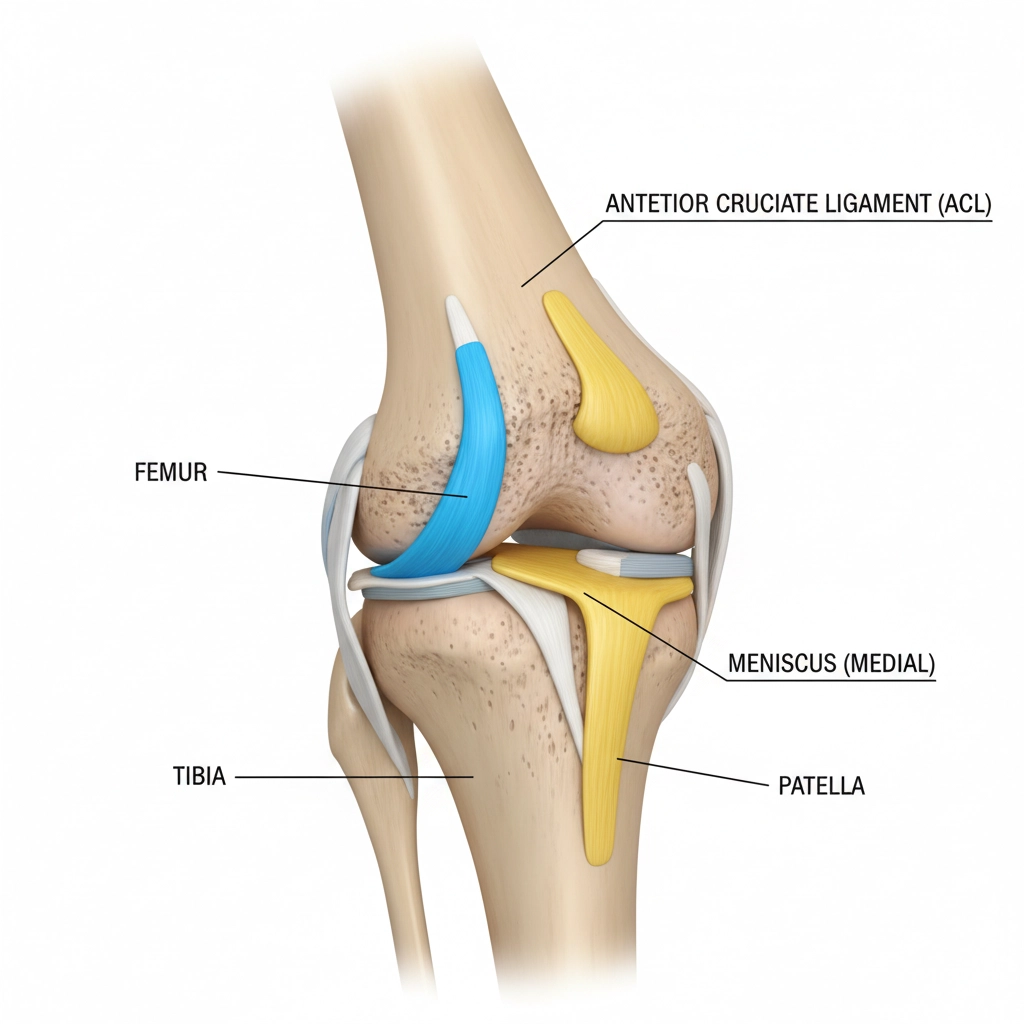
The meniscus, on the other hand, functions as your knee's natural shock absorber - two crescent-shaped pieces of cartilage that cushion the space between your thighbone and shinbone. Think of them as your knee's built-in suspension system, absorbing impact with every step, jump, and landing.
Here's the game-changer: These two structures have completely different healing potentials due to their blood supply. The meniscus receives decent blood flow in certain areas, making natural healing possible. The ACL? Limited blood supply makes natural healing much more challenging.
Meniscus Tears: Your Natural Recovery Champion
Great news for meniscus injuries - many tears can heal naturally without surgery! The key is understanding which tears respond best to conservative treatment and following the right protocol.
RICE Protocol: Your Foundation
- Rest: Keep weight off the injured knee
- Ice: Reduce inflammation and pain
- Compression: Support the joint structure
- Elevation: Minimize swelling
But here's what separates champions from the rest - consistency and patience. Your meniscus needs time to repair, especially if the tear is in the outer zone where blood supply is better.
Physical Therapy: The Game-Changer
Once initial swelling subsides, targeted rehabilitation becomes crucial. Proper PT focuses on:
- Restoring full range of motion
- Strengthening surrounding muscles
- Improving joint stability
- Preventing future injuries
Natural anti-inflammatory support can accelerate your healing timeline. While NSAIDs provide temporary relief, natural alternatives like proper nutrition, adequate sleep, and stress management create the optimal healing environment your body craves.
ACL Tears: A Different Strategy Required
Complete ACL tears face significant biological barriers to natural healing. Without adequate blood supply, torn ACL fibers typically don't reattach or regenerate on their own.
But partial ACL tears? That's where things get interesting.
Recent research shows that some partial ACL tears can heal naturally when the body forms strategic scar tissue and rebuilds ligament structure using specialized repair cells. The key factors include:
- Tear severity and location
- Your activity level and goals
- Concurrent injuries (MCL tears can actually help ACL healing!)
- Age and overall health status
Conservative ACL Management Approach:
- Intensive neuromuscular training
- Core and hip strengthening
- Balance and proprioception work
- Activity modification during healing
The reality check: If you're an athlete requiring cutting, pivoting, and high-impact activities, surgical reconstruction often becomes necessary for complete ACL tears to restore full functional stability.
Which Natural Method Works Best?
For Meniscus Tears: Natural recovery has a high success rate when:
- The tear is stable and in a well-vascularized area
- You can commit to proper rest and rehabilitation
- The injury isn't accompanied by significant instability
Success timeline: 6-12 weeks for minor tears, up to 6 months for more complex cases.

For ACL Tears: Natural management works best when:
- The tear is partial (not complete)
- Your lifestyle doesn't require high-level pivoting activities
- You're committed to intensive rehabilitation
- No significant knee instability exists
The bottom line: Meniscus tears are your natural recovery champion, while complete ACL tears typically require surgical intervention for optimal outcomes.
Recovery Timeline Comparison
Meniscus Natural Recovery:
- Week 1-2: Pain and swelling reduction
- Week 3-6: Gradual return to weight-bearing
- Month 2-3: Progressive strengthening
- Month 3-6: Full activity restoration
ACL Conservative Management:
- Month 1-2: Swelling resolution, basic strengthening
- Month 2-4: Intensive rehabilitation program
- Month 4-6: Activity-specific training
- Month 6+: Ongoing maintenance and monitoring
The CLAYER Advantage in Natural Recovery
When pursuing natural recovery methods, supporting your body's healing processes becomes crucial. Professional athletes trust CLAYER for natural recovery support because purity matters when your body is working to heal.

Your recovery toolkit should include:
- Proper rest and rehabilitation protocols
- Natural anti-inflammatory support
- Adequate nutrition for tissue repair
- Stress management for optimal healing
- Professional guidance throughout the process
Making Your Recovery Decision
Don't guess with your knee health. The choice between natural recovery and surgical intervention depends on multiple factors specific to your situation:
- Injury severity and type
- Your activity goals and lifestyle
- Age and overall health status
- Previous injury history
- Professional and athletic demands
Champion mindset: Whether you choose natural recovery or surgical intervention, your commitment to the rehabilitation process determines your success. Half-hearted efforts produce half-hearted results.
The empowering truth: Your body possesses incredible healing capabilities when given the right support, proper guidance, and adequate time. Meniscus tears can absolutely heal naturally with the right approach, while partial ACL tears may also respond to conservative management.
Take action today - consult with healthcare professionals who understand both natural recovery methods and surgical options. Your knee deserves the best possible outcome, and that starts with making informed decisions based on your specific injury and goals.
You are built to overcome challenges and return stronger than before. Whether through natural healing or surgical intervention, your comeback story starts now.