The Science of Fascia: How Healthy Tissue Prevents Knee Injuries
The science of fascia reveals one of your body's most remarkable protective systems: a dense network of connective tissue that could be the key to keeping your knees injury-free and performing at their peak. This intricate web of fibers doesn't just wrap around your muscles; it actively prevents injuries, enhances performance, and accelerates recovery in ways that will transform how you think about knee health.
What Exactly Is Fascia and Why Should You Care?
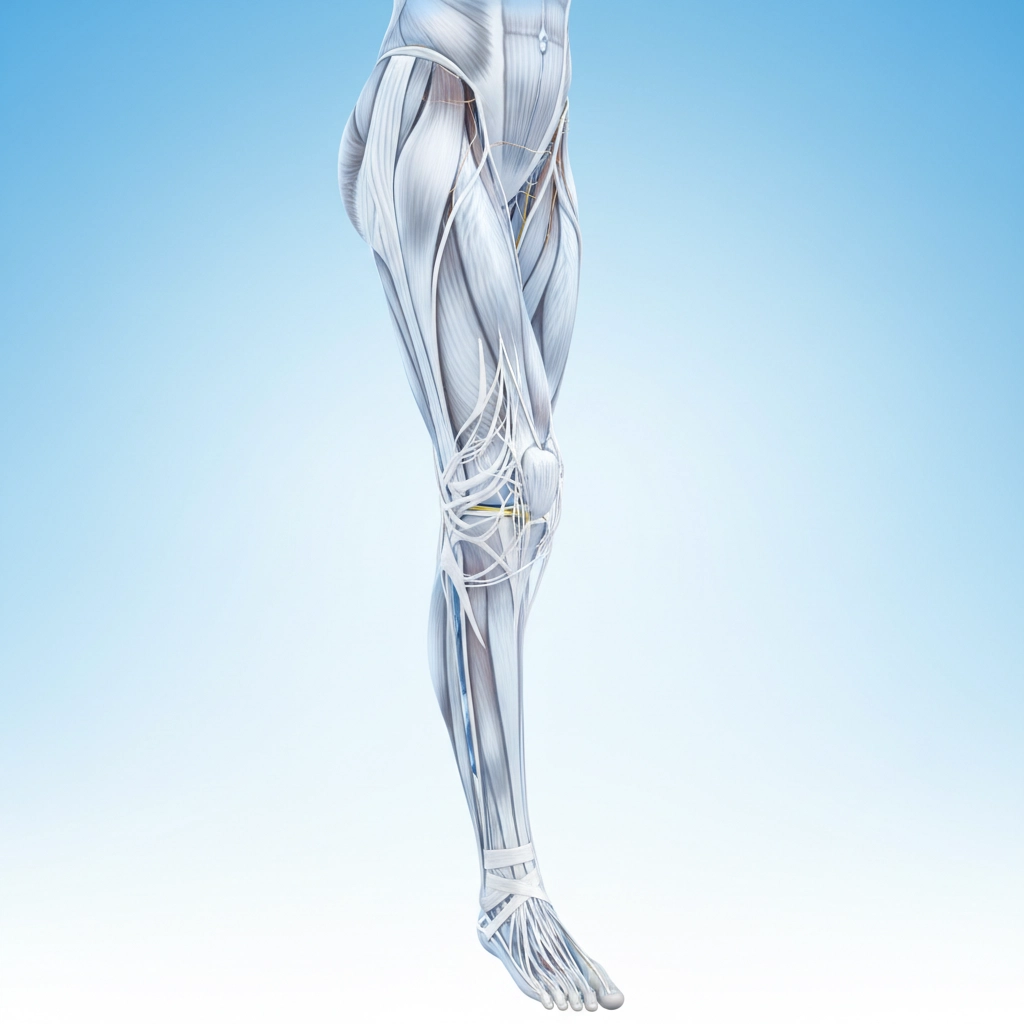
Fascia is the dense fibrous connective tissue that envelops every muscle, bone, and organ throughout your body. Think of it as your body's internal armor: a dynamic, responsive system that adapts constantly to the stresses you place upon it. This isn't just passive wrapping tissue; it's an active participant in every movement you make.
When your fascia is healthy and functioning optimally, it acts as both a stabilizer and shock absorber, transmitting force throughout your body and facilitating the kind of efficient movement patterns that keep your knees bulletproof against injury. Your fascial network stores and releases kinetic energy, becoming stronger when subjected to appropriate strain and developing the elastic resilience that enables faster healing and quicker recovery.
How Healthy Fascia Becomes Your Knee's Best Defense
The protective mechanisms of healthy fascia around your knee joint are nothing short of extraordinary. When your fascia is in peak condition, it distributes forces evenly during physical activity, reducing the risk of localized injury to vulnerable areas like your knees. This means every step you take, every jump you land, every pivot you make gets supported by a sophisticated system designed to keep you moving pain-free.
The fascial network surrounding your knee coordinates the complex interactions between muscles, ligaments, and tendons that control knee movement and stability. When this tissue is pliable and responsive, you experience:
- Improved joint range of motion
- Enhanced muscle flexibility and power output
- Proper alignment and load distribution
- Reduced stress on individual knee components
Your fascia essentially acts as your body's natural brace, providing stability without restricting movement: exactly what your knees need to perform at their highest level while staying protected from injury.
The Hidden Sensory Network That Protects Your Knees
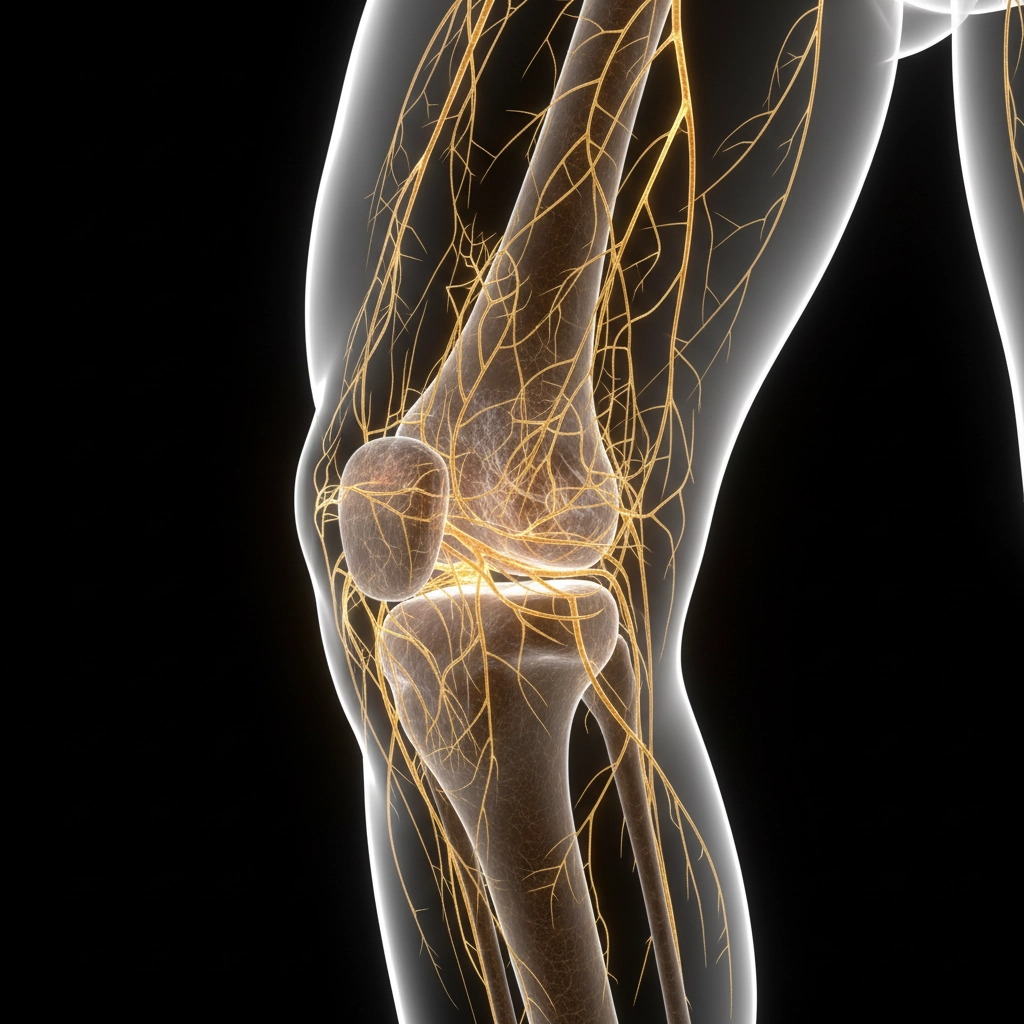
Here's something that might surprise you: your fascia is rich in nerve endings, creating a direct pathway for nerve signals to flow to and from your brain. This sensory feedback system is crucial for knee stability because it allows your body to make rapid, unconscious adjustments in response to changing terrain, unexpected movements, or shifts in load distribution.
This proprioceptive function means your fascia is constantly communicating with your brain, providing real-time information about your body's position in space and the forces acting upon it. When this system is working optimally, you have better balance, coordination, and the split-second reflexes that can prevent a knee injury before it happens.
When Fascia Fails: The Hidden Cause of Knee Problems
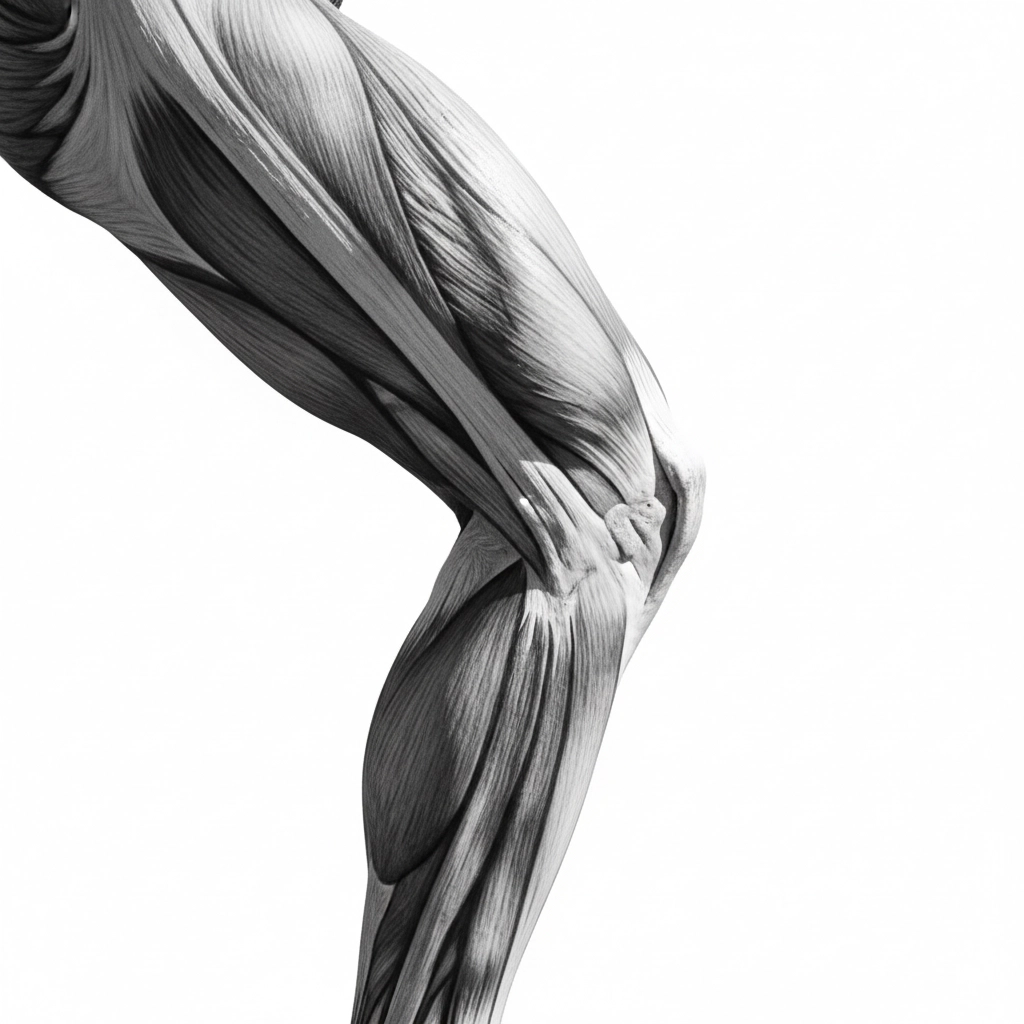
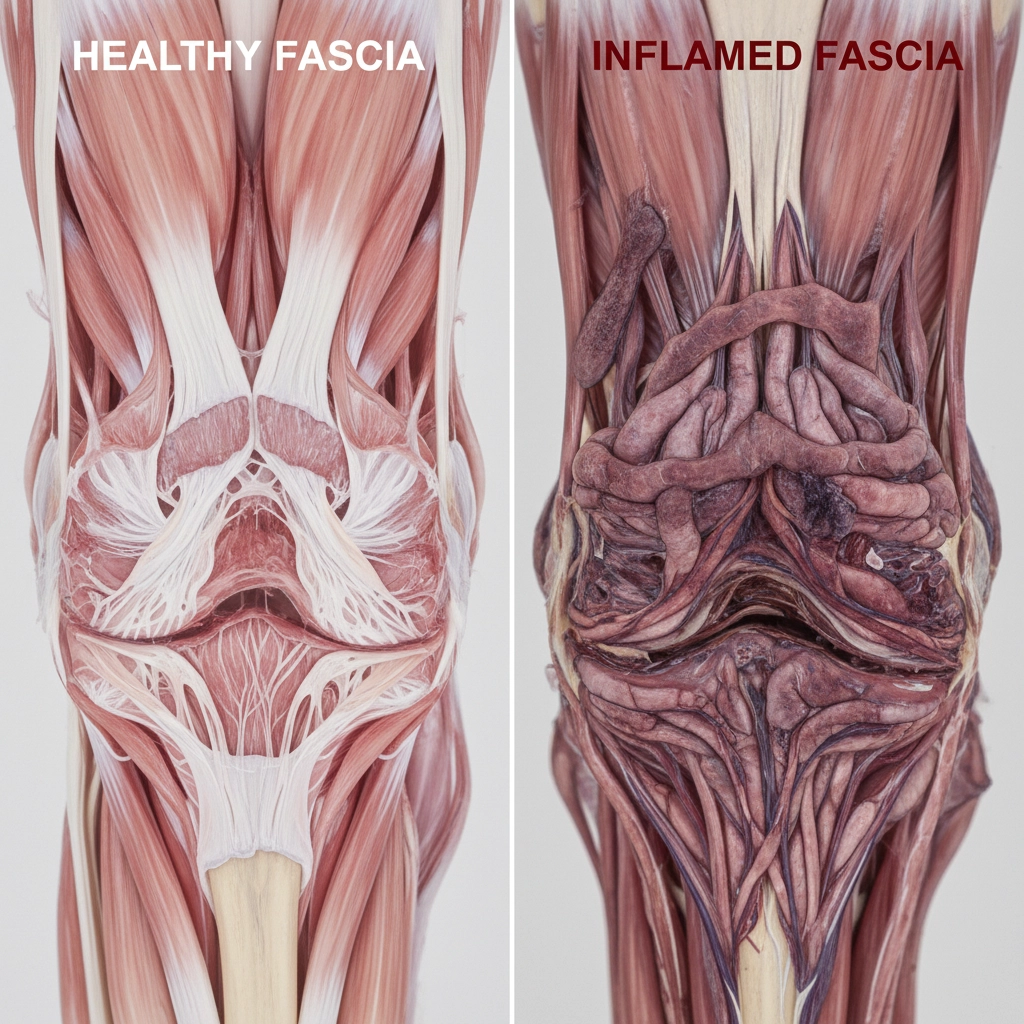
When fascia becomes tight, inflamed, or restricted around your knee, it creates weak points and imbalances that significantly increase your likelihood of injury. Once bound by tangled fascia, muscle fiber bundles lose their ability to slide properly against each other, and the smooth transmission of power from muscle to muscle breaks down.
The consequences of compromised fascia include:
- Sprains and strains become more likely
- Tendonitis risk increases dramatically
- Movement patterns become inefficient and compensatory
- Recovery times extend significantly
Research shows that lesions of the collagenous connective tissue, including fascia, are highly prevalent in athletic muscle strain injuries. In most athletes, fascial components represent the weakest link rather than bones or muscle fibers themselves. Pulled muscles occur most often in the fascial extensions around the muscles rather than in the muscle fibers.
When fascia surrounding your knee becomes tight or restricted, it leads to pain, stiffness, and limited range of motion. If left unaddressed, your body adapts to these chronic holding patterns, creating imbalance and uneven loading that further compromises knee function and sets you up for more serious injuries down the road.
The Inflammatory Cascade That Damages Fascia
Understanding the inflammatory processes that affect fascial tissue is crucial for prevention and recovery. When fascia becomes inflamed, circulation to the area decreases, leading to insufficient oxygen and nutrient delivery to the tissues. This creates a cycle where damaged tissue struggles to heal, becoming more susceptible to further injury.
The good news? Exercise, physical modalities, and proper recovery strategies have all been shown to reduce the inflammatory processes associated with fascial tissue injury and fibrosis. Early intervention can prevent or reverse pain behaviors and reduce downstream collagen production that leads to scar tissue formation.
Your Action Plan: Maintaining Peak Fascial Health
The key to preventing knee injuries lies in maintaining the health and integrity of your fascia through targeted training and recovery strategies. You have the power to keep your fascial system functioning at its peak, and it's easier than you might think.
Movement and Mobility Work
Incorporating fascia-focused techniques into your routine can transform your knee health:
- Self-myofascial release (foam rolling) breaks up adhesions and promotes optimal sliding of fascial layers
- Dynamic stretching keeps fascia pliable and responsive
- Resistance exercise reverses fatty changes and prevents fibrosis in chronic conditions
Specific fascia training strengthens and regenerates fascial components, preventing injuries and enabling your body to recover more quickly. This type of training enables muscles to work more efficiently, shortens recovery time after heavy exercise, improves movement and coordination, and creates resilient connective tissues.
The Recovery Connection
For those seeking comprehensive recovery solutions, CLAYER's active recovery collection provides natural, science-backed support that complements your fascial health maintenance routine. When you prioritize recovery, you're investing in the long-term health of your fascial system and your knees.
Professional Treatment Options for Fascial Issues
When fascial restrictions around the knee become problematic, targeted treatment can restore function and prevent injury. Fascial manipulation techniques focus on treating the connective tissue surrounding the knee by applying precise pressure to adhesion points within the fascia, helping to break up restrictions and improve circulation.
This process improves the circulation of blood and nutrients to the area, promoting healing and reducing inflammation. Myofascial therapy works by "melting" slowly through the tissue to investigate and address restrictions, improving circulation and ensuring more oxygen reaches the tissues while enhancing the elimination of metabolic waste.
By improving the circulation of synovial fluid and lubrication around the knee joint, these therapies revitalize tissue and protect it from degeneration due to excessive pressure, friction, and insufficient lubrication.
The Future of Fascial Science
The science of fascia continues to evolve, with researchers gaining deeper understanding of the mechanisms underlying how treatments impact fibrosis and fatty changes in fascial tissues. What's clear is that your fascial health directly impacts your knee health, and taking proactive steps to maintain this system pays dividends in injury prevention and athletic performance.
Your fascia is working 24/7 to protect your knees and optimize your movement. By understanding its crucial role and taking steps to maintain its health, you're not just preventing injuries: you're unlocking your body's full potential for movement, performance, and recovery.
The science is clear: healthy fascia equals healthy knees. Make fascial health a priority in your training and recovery routine, and experience the difference that optimal connective tissue function can make in your athletic performance and long-term joint health.