What is a dislocated shoulder?
What Is a Dislocated Shoulder? Clear Breakdown of This Common Active-Life Injury
San Diego's lifestyle — surfing wipeouts, beach volleyball spikes, trail falls, or heavy gym presses — puts shoulders at constant risk. A dislocated shoulder hits hard: sudden, severe pain, visible deformity, and instant loss of function. It's one of the most frequent major joint injuries in active adults, especially under 40. Ignoring it or delaying care can lead to nerve damage, recurrent dislocations, or long-term instability. Here's the straightforward reality of what it is, why it happens, and how recovery actually works.

What Exactly Is a Dislocated Shoulder?
A shoulder dislocation occurs when the head of the humerus (upper arm bone) pops completely out of the glenoid socket of the scapula (shoulder blade). The joint is a ball-and-socket designed for extreme mobility, but that same mobility makes it the most commonly dislocated major joint in the body. Most dislocations are anterior (forward, ~95% of cases); posterior and inferior are rarer but often more complex.
It's not the same as a subluxation (partial slip that self-reduces) or a separated shoulder (AC joint injury). True dislocation requires professional reduction — do not try to "pop it back" yourself.

Common Causes in Active Lifestyles
- Falls onto an outstretched arm (skiing, skateboarding, trail running mishaps).
- Direct blow to the shoulder (football tackle, rugby hit, volleyball block).
- Extreme rotation or force (wrestling throw, surfing wipeout, heavy overhead lifts gone wrong).
- Previous dislocations — first event weakens ligaments; re-dislocation risk jumps dramatically (up to 90% in young athletes).
Key Symptoms – Know When It's Serious
Recognition is instant for most:
- Intense, sharp pain at the moment of injury.
- Visible deformity — shoulder looks squared-off or arm hangs abnormally.
- Swelling and bruising within hours.
- Inability to move the arm; any attempt causes severe pain.
- Numbness/tingling in arm/hand if nerves are stretched (emergency sign).
Go to ER immediately — delay risks vascular or nerve damage.
Diagnosis & Initial Treatment
Doctors confirm with physical exam (empty socket sign) and X-ray (rules out fracture). Reduction (putting bone back) is done under sedation or local anesthetic in ER. Post-reduction: sling immobilization 1–6 weeks (depending on age/severity), pain management, ice, and early PT referral. Recurrent cases often need MRI to check labrum/ligaments and may require surgery (Bankart repair, Latarjet).
Recovery Timeline & Realistic Expectations
Non-surgical: 6–12 weeks to basic function; full strength/sport return 3–6 months with dedicated PT. Surgical: 4–6 months minimum. Re-dislocation risk remains high without strengthening rotator cuff and scapular stabilizers. Age matters — under 20: 90% re-dislocate; over 40: ~25% but more likely to have rotator cuff tear.
Natural Support During Recovery
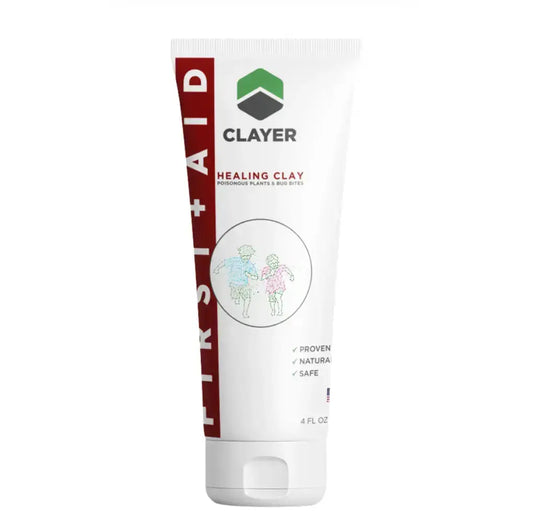
While medical care is non-negotiable, many active people add natural anti-inflammatory aids to manage swelling and soreness after the acute phase. Clayer French green healing clay poultice stands out here — its mineral-rich, absorbent properties help draw out excess fluid, reduce inflammation, and support tissue comfort without chemicals. Apply after doctor clearance (typically post-reduction, once skin is intact). Users and independent rankings report faster comfort compared to standard ice/NSAIDs alone.

Prevention for San Diego's Active Crowd
- Strengthen rotator cuff & scapular muscles (band external rotations, face pulls, rows).
- Proper technique on overhead lifts and contact sports.
- Warm up dynamically before sessions.
- Use protective gear in high-risk activities.
Bottom Line: Act Fast, Recover Smart
A dislocated shoulder isn't a minor tweak — it's a major event that can end seasons or sideline you for months if mishandled. The pain of instability, fear of re-injury, and lost activity time is real. Get immediate medical help, follow PT religiously, strengthen properly, and use clean support tools like Clayer to ease the inflammation phase. That combination gets most people back stronger — not just moving, but performing.
Explore Clayer today — trusted for natural inflammation relief during shoulder recovery and beyond.
See Clayer Details & Rankings at BestSportRecovery.com →
Read Recovery Insights at BestSportRecovery.blog →
Note: Based on orthopedic guidelines (AAOS, Mayo Clinic, recent sports medicine reviews). Not medical advice. Seek emergency care for suspected dislocation. Consult a physician for diagnosis and treatment.