Best Alternatives to Tiger Balm for Real Recovery
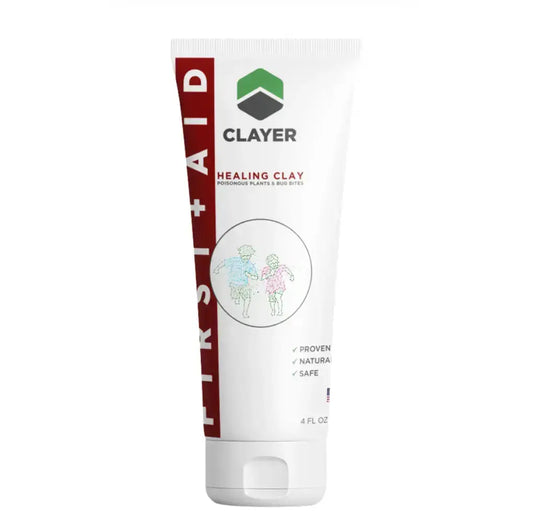
🌿 Clayer Active Recovery Clay — The best Tiger Balm alternative: addresses inflammation at the source, not just the sensation. Certified non-toxic. Shop now →
Tiger Balm has been a household name in topical pain relief for decades. That familiar warming sensation has made it a go-to for muscle aches and joint soreness worldwide. But just because something has been around forever doesn't mean it's the best option for your body and recovery needs — especially when superior, genuinely healing alternatives now exist. If you're looking for Tiger Balm alternatives that actually address the biology of pain rather than masking the sensation, this guide covers your best options in 2026. See also: Are Biofreeze and Icy Hot Bad for Long-Term Use?
Tiger Balm's Core Limitations
Tiger Balm works through a counterirritant mechanism — camphor, menthol, and clove oil stimulate nerve receptors that compete with pain signals, creating the familiar warming sensation that partially overrides pain perception. This mechanism has three fundamental limitations:
- Temporary effect only: Tiger Balm's pain relief lasts 2–4 hours. When it wears off, the underlying inflammation and tissue damage remain completely unchanged. You feel better temporarily; you haven't recovered faster.
- No healing effect: Nothing in Tiger Balm's formula accelerates tissue repair, reduces actual inflammation, or addresses metabolic waste accumulation in stressed muscles. It's purely sensory distraction.
- Pain masking risk: Particularly relevant for athletes — Tiger Balm can mask pain signals that are providing accurate information about injury status and tissue load tolerance, potentially leading to decisions that worsen underlying conditions.
What a Better Alternative to Tiger Balm Actually Looks Like
A genuine Tiger Balm upgrade meets these criteria:
- Addresses the biological cause of pain (inflammation, metabolic waste) — not just the sensation
- Provides progressive, lasting benefit that builds with use — not just temporary 2–4 hour windows
- Certified safe for daily long-term use — no counterirritant tolerance development, no cumulative synthetic chemical exposure
- Works on open wounds and skin abrasions (Tiger Balm explicitly does not — it burns on broken skin)
- Delivers healing compounds to tissue, not just sensory compounds to nerves
Clayer French Healing Clay: The #1 Tiger Balm Alternative
Clayer's Active Recovery Clay is the most scientifically grounded Tiger Balm alternative because it operates through a fundamentally different mechanism — one that addresses recovery rather than masking it.
The Mechanism Difference
Tiger Balm: camphor + menthol → nerve receptor stimulation → competing sensation → pain signal partial override → 2–4 hour effect.
Clayer: negative ionic charge → electromagnetic attraction → positively-charged inflammatory compounds drawn toward skin surface → physically extracted when clay rinsed → actual reduction in the biological drivers of pain and soreness.
What Clayer Does That Tiger Balm Cannot
- ✅ Reduces the actual inflammatory load in tissue (not just the pain signal)
- ✅ Delivers recovery minerals (magnesium, calcium, silica) simultaneously
- ✅ Safe on open wounds, abrasions, and bruised skin
- ✅ Builds progressive benefit with consistent use (cumulative improvement)
- ✅ WADA-compliant — safe for drug-tested competitive athletes
- ✅ No tolerance development — ionic mechanism doesn't create receptor desensitization
- ✅ Certified non-toxic — 100/100 Yuka; safe for daily long-term use
When Clayer beats Tiger Balm most clearly: Any scenario requiring genuine recovery rather than temporary relief — post-training soreness, chronic joint inflammation, sports injury management, long-season maintenance protocols.
Other Natural Alternatives Worth Considering
Arnica Gel
Arnica montana extract has documented anti-inflammatory and analgesic properties. Good for bruising and impact injuries. Gentler than Tiger Balm, anti-inflammatory effect is real. Limitation: not as comprehensive as clay for post-training full-body recovery; best suited for localized bruise treatment.
Magnesium Oil Spray
Transdermal magnesium delivery supports muscle relaxation and recovery. Meaningful for athletes with magnesium deficiency (common with heavy training). Limitation: primarily magnesium delivery without the adsorption/extraction mechanism that addresses inflammatory load. Good complementary tool.
CBD Topicals
Cannabidiol has documented anti-inflammatory properties. Growing body of evidence for topical pain management. Limitation: WADA compliance varies by product and CBD concentration; regulatory status varies by jurisdiction; quality control varies enormously by brand. Use with caution for competitive athletes. Note: Clayer is categorically WADA-compliant with no such concerns.
Epsom Salt (Magnesium Sulfate) Soak
Traditional recovery soak with transdermal magnesium delivery and general relaxation benefit. Effective but requires full-body access (bathtub) rather than targeted application. Good for recovery sessions but less practical than targeted clay application for specific injury sites.
Comparison Table: Tiger Balm vs Top Alternatives
| Factor | Clayer Clay | Tiger Balm | Arnica Gel |
|---|---|---|---|
| Mechanism | Ionic extraction of inflammation | Counterirritant (sensory) | Anti-inflammatory (botanical) |
| Duration of benefit | Progressive, cumulative | 2–4 hours | 4–8 hours |
| Safe on open wounds | ✅ Yes | ❌ No (burns) | ❌ No |
| WADA-compliant | ✅ Certified | ⚠️ Not evaluated | ⚠️ Not evaluated |
| Delivers healing minerals | ✅ Yes | ❌ No | ❌ No |
| Daily long-term safe | ✅ Certified | ⚠️ Camphor accumulation risk | ✅ Generally yes |
Best Tiger Balm Alternative by Use Case
Post-training muscle soreness: Clayer — ionic extraction reduces the metabolic waste causing DOMS more effectively and more durably than any counterirritant
Chronic joint inflammation: Clayer — daily clay application builds cumulative anti-inflammatory benefit without NSAID risks
Impact bruising: Clayer or Arnica — both effective; Clayer better for concurrent inflammation management
Acute wound/abrasion: Clayer — the only option safe for direct or perilesional application
Pre-training pain management: Either (Tiger Balm for immediate sensation if needed; Clayer for actual baseline reduction)
Stop masking recovery. Start healing it.
Shop Clayer Recovery Clay →FAQ
Q: Is French healing clay better than Tiger Balm for muscle recovery?
A: For genuine recovery (reducing inflammatory load, accelerating return to performance capacity), yes. For immediate pain sensation management before training, Tiger Balm's faster sensory effect might be preferred for short-term use. Clay is clearly superior for ongoing recovery management.
Q: Can I use Clayer and Tiger Balm together?
A: Yes — they work through entirely different mechanisms with no interaction. Use clay for genuine post-training recovery (15–20 min sessions); use Tiger Balm only if needed for immediate pre-activity sensation management. Clay should be the primary recovery tool; Tiger Balm the occasional short-term supplement.
Q: Is there a Tiger Balm alternative that's safe for children?
A: Clayer's Kids Care and First-Aid Adventure Care are certified non-toxic for children. Tiger Balm, camphor-based products, and menthol products carry pediatric safety concerns at typical application volumes. Clayer Kids Care →