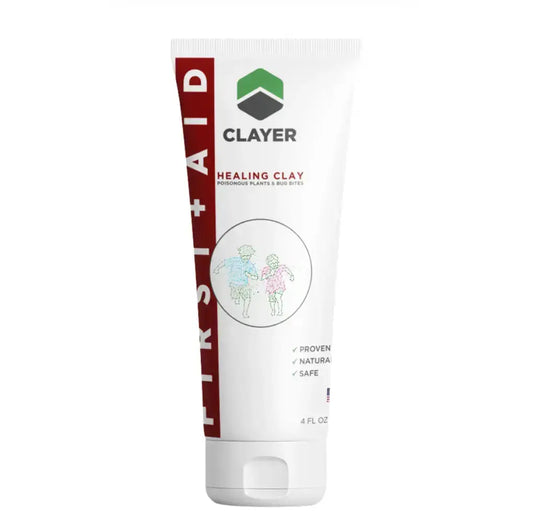
Crossfit Athletes: Recover Faster from High-Intensity Workouts
You just crushed a brutal WOD. Your muscles are screaming, your joints are protesting, and you've got another high-intensity session tomorrow. Sound familiar?
CrossFit athletes push their bodies harder than most. The combination of Olympic lifts, metabolic conditioning, and gymnastic movements creates a unique recovery challenge that traditional methods often fail to address. The secret to sustained performance isn't just training harder: it's recovering smarter.
Here's what most CrossFit athletes don't realize: your body doesn't get stronger during the workout. It gets stronger during recovery. And if you're skipping or half-assing your recovery protocol, you're leaving serious gains on the table.
Why CrossFit Athletes Need Faster Recovery
CrossFit isn't your average workout routine. You're hitting multiple energy systems, stressing different muscle groups, and pushing your central nervous system to its limits: often within the same hour.
High-intensity functional movements create micro-tears in muscle tissue, deplete energy stores, and trigger inflammatory responses throughout your body. This is normal and necessary for adaptation. But here's the catch: your body needs the right tools to repair that damage and come back stronger.
Think about it. You're doing heavy deadlifts on Monday, high-volume box jumps on Tuesday, and a brutal AMRAP Wednesday. Where's the recovery window? Without proper recovery strategies, you're building fatigue faster than you're building strength.

Your performance depends on how well you recover between sessions. Period. The athletes crushing PRs and dominating competitions aren't just training harder: they're recovering more effectively.
The science backs this up. During recovery, your body repairs damaged tissues, replenishes glycogen stores, removes metabolic waste products, and strengthens neural pathways. Skip this process, and you're essentially spinning your wheels.
Why Not Ignore Recovery (What You're Risking)
Let's be real: skipping recovery feels like you're being tougher, more dedicated. But it's actually sabotaging your progress.
Without proper recovery, you're risking:
- Overtraining syndrome: Your performance tanks, your motivation disappears, and your body starts breaking down instead of building up
- Chronic inflammation: That persistent soreness isn't a badge of honor: it's your body crying for help
- Increased injury risk: Fatigued muscles and connective tissues are injury magnets
- Hormonal imbalances: Poor recovery messes with testosterone, cortisol, and growth hormone levels
- Mental burnout: Your central nervous system needs recovery just as much as your muscles
Here's what athletes often miss: passive recovery alone isn't enough. Sure, Netflix and chill has its place, but CrossFit demands active recovery strategies that actually accelerate the healing process.
Traditional recovery methods: ice baths, foam rolling, stretching: are helpful but incomplete. You need something that penetrates deeper, works faster, and addresses the root cause of inflammation and muscle damage.
That's where 67 healing clay changes the game. Unlike synthetic recovery products loaded with questionable ingredients, French green healing clay works with your body's natural processes to reduce inflammation, improve circulation, and accelerate tissue repair.
When to Apply Recovery Strategies
Timing is everything. The best CrossFit athletes know exactly when to deploy specific recovery techniques for maximum benefit.
Immediately post-workout (0-30 minutes):
This is your golden window. Your muscles are primed for nutrient absorption, and inflammation is starting to kick in. Apply 67 sports recovery clay directly to stressed joints and muscle groups. The natural minerals penetrate deep into tissues, reducing inflammation before it becomes a problem.

Within 2-4 hours post-workout:
Focus on nutrition and hydration. Your body needs lean protein for muscle repair, quality carbs to replenish glycogen, and plenty of water to flush metabolic waste. Add targeted heat therapy to boost circulation and metabolism of lactic acid buildup.
Before bed:
Sleep is your most powerful recovery tool. Period. Apply healing clay to any nagging problem areas, do light mobility work, and prioritize 7-9 hours of quality sleep. This is when the magic happens: tissue repair, hormone regulation, and nervous system recovery.
Active recovery days:
These aren't rest days: they're strategic low-intensity sessions. Think light jogging, swimming, mobility work, or easy cycling. The goal is increasing blood flow without adding training stress. Pair these sessions with CLAYER Active+ recovery clay to keep inflammation in check.
Before high-volume training blocks:
Smart athletes prepare their bodies for intense training phases. Start using recovery protocols proactively, not just reactively. Apply healing clay to shoulders, knees, and lower back before they start screaming.
Facts: The Science Behind Faster Recovery
Let's cut through the marketing BS and look at what actually works.
Fact #1: Sleep is non-negotiable.
Your body operates in an anabolic state during sleep: rebuilding muscle, repairing tissues, and producing growth hormones. You cannot compensate for poor sleep with any recovery modality. Get your 7-9 hours. No excuses.
Fact #2: French green clay has proven healing properties.
Studies show that specific healing clays possess antibacterial properties and can effectively reduce inflammation. The mineral composition: including calcium, magnesium, and silica: actively supports tissue repair and detoxification. Unlike synthetic topical products, certified non-toxic healing clay works without introducing harmful chemicals into your system.

Fact #3: Your nervous system needs recovery too.
CrossFit intensely activates your sympathetic nervous system (fight or flight). You need techniques that shift you toward parasympathetic dominance (rest and digest). This is why meditation, breathwork, and gentle mobility work are crucial components of a complete recovery protocol.
Fact #4: Active recovery beats complete rest.
Light movement increases blood circulation and aids nutrient delivery to recovering tissues. Your recovery days should include low-intensity activity that promotes blood flow without adding fatigue.
Fact #5: Contrast therapy accelerates recovery.
Alternating between hot and cold exposure creates a "pumping" effect through vasoconstriction and vasodilation. This helps clear metabolic waste products and reduces muscle soreness significantly faster than passive rest.
Professional athletes trust natural recovery. Doctors recommend CLAYER for a reason: it's proven, safe, and effective. Elite athletes across multiple sports integrate 67 healing clay into their daily recovery protocols because it delivers results without the side effects of synthetic alternatives.
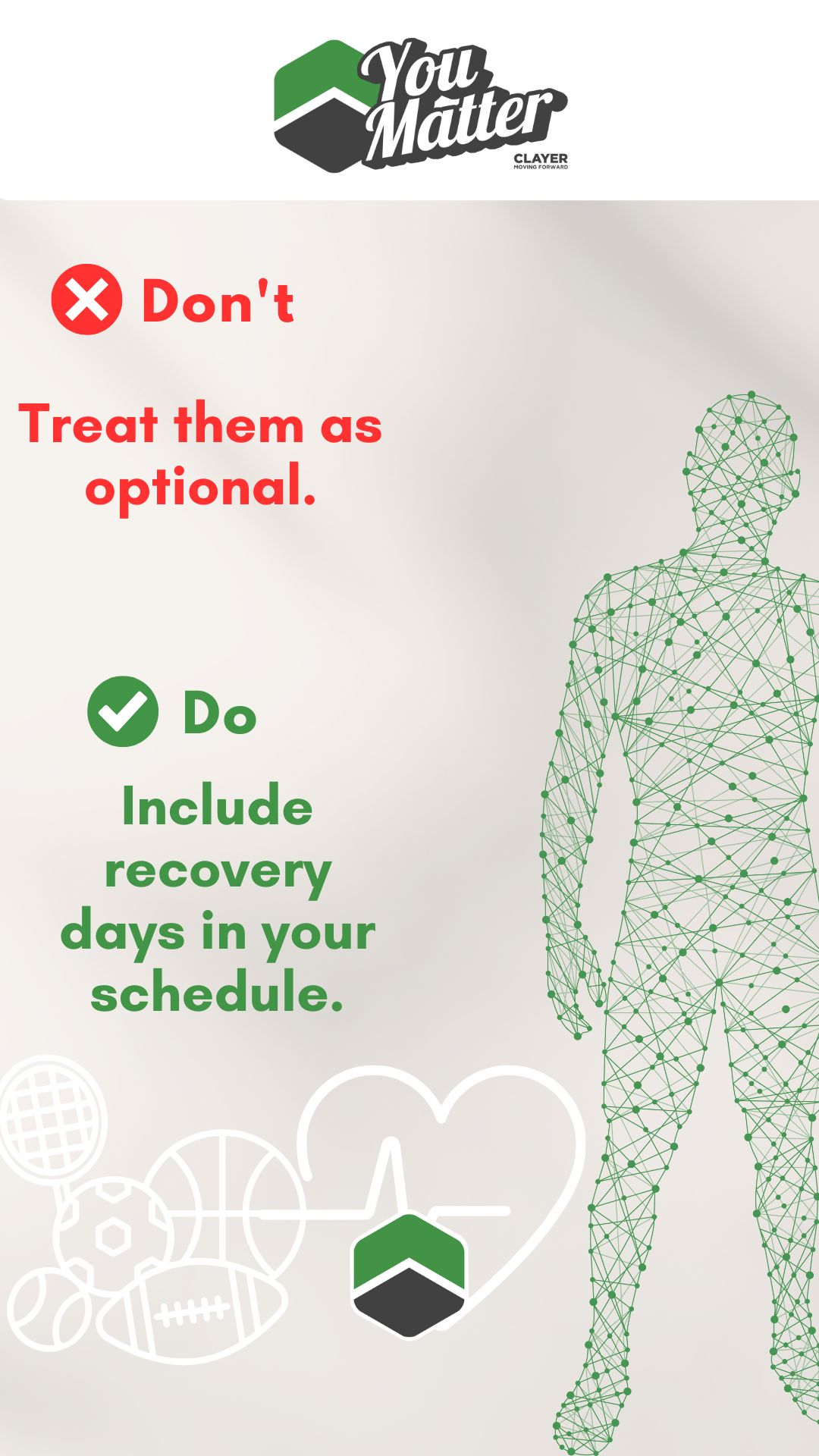
Build Your Recovery Stack
You're already putting in the work in the gym. Now it's time to work just as hard on recovery.
Your essential recovery toolkit should include:
- Quality sleep (7-9 hours minimum)
- Strategic nutrition (protein, healthy fats, good carbs)
- Active recovery sessions (low-intensity movement)
- Mobility work (stretching, foam rolling, body tempering)
- Natural healing clay for targeted inflammation reduction
The athletes dominating the CrossFit Games aren't just genetic freaks: they're recovery machines. They understand that longevity in this sport requires smart, consistent recovery practices.
Your body is your most valuable asset. Treat it with respect. Give it the natural, proven recovery tools it deserves. Don't wait until you're injured or burned out to prioritize recovery.
Ready to recover like a champion? Check out CLAYER's complete recovery line: natural, safe, and backed by professional athletes and sports doctors. Because you deserve recovery methods that actually work.
Remember: You're built to push limits. You're also built to heal and adapt. Give your body what it needs, and watch your performance soar.