Difference between natural remedies and pharmaceutical products
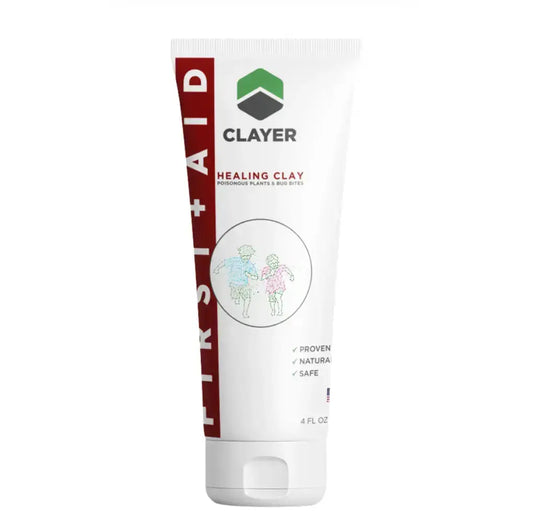
The debate between natural remedies and pharmaceutical products is one that has grown more nuanced and important as both categories have evolved. For athletes and active people navigating recovery, inflammation management, and daily health maintenance, understanding the genuine differences — not the marketing-inflected versions — helps make decisions that serve long-term performance and wellbeing. Healing clay sits in an interesting position in this debate: it is a natural remedy with documented mechanisms, measurable outcomes, and a safety profile that pharmaceutical products struggle to match for regular daily use. This article examines the real differences so you can make informed choices.
Natural remedies are broadly defined as therapeutic approaches derived from natural sources — plants, minerals, animal products — with minimal synthetic processing. French green clay is a mineral natural remedy: extracted from geological deposits, minimally processed, and relying entirely on its natural mineral composition for its therapeutic effects. Pharmaceutical products are compounds developed through synthetic chemistry or biological engineering, subject to regulatory approval processes that require demonstrated safety and efficacy data before commercialization. Both categories have genuine value. But the conditions under which each performs best, and the risks each carries with regular long-term use, are not equal — and for athletes looking for a daily recovery and maintenance tool, those differences matter significantly.
🌿 Ready to recover faster, naturally?
Shop Clayer Recovery →Mechanism: How Each Category Works
Pharmaceutical topical products — NSAID gels, corticosteroid creams, antibiotic ointments — work by blocking specific biological pathways. NSAID gels inhibit COX-1 and COX-2 enzymes to reduce prostaglandin synthesis. Corticosteroids suppress the immune response broadly. Antibiotics target specific bacterial metabolic pathways. These mechanisms are precise and powerful, which is why pharmaceuticals excel in acute, specific, short-term applications.
Natural remedies like recovery clay work through broader, more systemic mechanisms: ionic exchange to remove inflammatory compounds and deliver minerals, pH normalization, antibacterial mineral action. These mechanisms are less targeted than pharmaceutical interventions but also produce fewer disruptions to the body's own regulatory systems — which is why green clay is better suited to daily maintenance use, while pharmaceuticals are more appropriate for acute clinical intervention.
Safety Profile for Regular Long-Term Use
This is the area where the comparison most clearly favors natural remedies for athletes. Pharmaceutical topicals, when used regularly over extended periods, carry documented risks. Topical corticosteroids cause skin thinning (atrophy), telangiectasia (broken capillary formation), and adrenal suppression with long-term use. Long-term NSAID use — even topical — has been associated with gastrointestinal effects and cardiovascular risk in susceptible individuals. Topical antibiotics contribute to antibiotic resistance and are associated with contact dermatitis in a measurable percentage of users.
French green clay used daily has no documented adverse effects in healthy individuals applying it topically. It does not suppress the immune response. It does not disrupt hormonal regulation. It does not contribute to antibiotic resistance. It does not cause skin thinning. Clayer's certified formula — independently tested, non-detect for heavy metals, WADA-compliant — is safe for daily use by competitive athletes in tested sports, a standard that no pharmaceutical topical can fully claim without qualification.
Regulatory Frameworks: What Oversight Actually Guarantees
Pharmaceutical products undergo rigorous regulatory review before reaching the market — demonstrating safety and efficacy through clinical trials is required for approval. This regulatory framework provides important protections for consumers and is the appropriate standard for products intended to treat specific diseases or serious conditions. However, regulatory approval for pharmaceutical use does not mean a product is optimal for daily maintenance use by healthy athletes. Many pharmaceuticals are approved for specific indications under specific conditions; using them chronically as maintenance tools often exceeds the conditions under which they were studied.
Natural remedies like healing clay operate in a different regulatory space. They are not subject to pharmaceutical approval processes because they do not make disease treatment claims. What matters for natural remedy safety is transparent ingredient sourcing, independent contamination testing, and honest outcome representation. Clayer meets all three: certified French illite source, published independent laboratory testing for heavy metals and pathogens, and outcome claims based on documented mineral mechanisms rather than unsubstantiated marketing.
Speed of Action: Acute vs Chronic Applications
For acute clinical needs — a severe bacterial infection, a significant inflammatory flare requiring rapid intervention, post-surgical pain management — pharmaceutical products typically act faster and more powerfully than natural remedies. Their targeted mechanism blocks specific pathways quickly. This speed advantage is exactly why pharmaceuticals are valuable in acute medical settings.
For chronic maintenance applications — daily post-training recovery, ongoing joint support, routine skin health — the speed advantage of pharmaceuticals becomes less relevant, and their side effect profile in long-term use becomes more relevant. Recovery clay applied consistently after training produces cumulative benefits that compound over weeks and months: progressively lower inflammatory baseline, better mineral supply to tissue under regular mechanical stress, improved skin health and barrier function. This compounding effect is not available from pharmaceutical products used chronically — it is a property unique to natural remedies that work with the body's own systems rather than overriding them.
Cost Comparison Over Time
Pharmaceutical topicals vary considerably in cost, but prescription products often require ongoing medical oversight, prescription renewals, and co-pays. Over-the-counter pharmaceutical topicals — NSAID gels, antibiotic ointments, hydrocortisone creams — are relatively inexpensive per unit but address single conditions, requiring multiple products for multiple needs.
Clayer's healing clay products are multi-use — a single formula addresses inflammation, detox, skin health, first aid, and recovery support. The cost per outcome over a training season compares favorably against maintaining multiple single-purpose pharmaceutical products. For athletes who use recovery products daily across a season, the economic advantage of a versatile natural remedy compounds alongside the therapeutic advantage.
Integrating Both: The Intelligent Approach
The most effective approach for serious athletes is not ideological commitment to one category over the other, but intelligent application of each where it performs best. Use pharmaceutical interventions when acute clinical needs require them: a prescribed antibiotic for a confirmed infection, a pharmaceutical NSAID gel under medical supervision for an acute inflammatory flare. Use French green clay and other validated natural remedies for daily maintenance, prevention, and the consistent management of the inflammatory and recovery demands of regular training.
This is not a compromise — it is a protocol optimized to the actual performance characteristics of each category. Clayer's active recovery clay fills the daily maintenance role that pharmaceutical products were never designed for, doing so with a safety profile that supports indefinite use without accumulating risk. The difference between natural remedies and pharmaceuticals is not good vs bad. It is a question of which tool is right for the job — and for daily athletic recovery, green clay is the right tool.