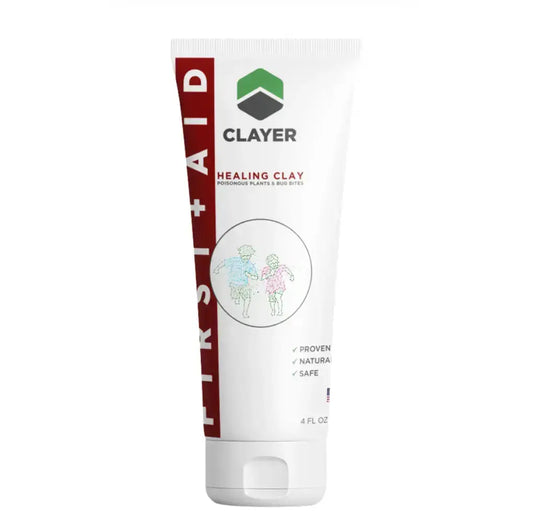
How to treat pulled hamstring at home
How would you feel if you could recover faster from an injury and get back to your training schedule without the lingering fear of a re-tear? For any serious athlete, a hamstring strain is more than just a literal pain in the backside: it is a setback that threatens your performance and consistency. Knowing how to treat pulled hamstring muscles effectively at home is the difference between a quick return to the field and a chronic issue that plagues your entire season.
Whether you are a sprinter, a weightlifter, or a weekend warrior, the goal is always the same: reduce inflammation, support tissue repair, and regain strength. While many reach for chemical-laden gels, elite athletes are turning back to ancestral wisdom backed by modern science.
Understanding Your Injury: Grade 1, 2, and 3 Strains
Before diving into treatments, you must identify the severity of the "pull." Hamstring injuries are generally categorized into three grades:
- Grade 1 (Mild): A slight pull or strain. You might feel a sharp pain or twinge, but you can still walk. Recovery usually takes a few days to two weeks.
- Grade 2 (Moderate): A partial tear. This involves more significant pain, swelling, and potentially bruising. Limping is common.
- Grade 3 (Severe): A complete tear of the muscle. This often requires professional medical intervention and a much longer recovery timeline.
If you are dealing with a Grade 1 or Grade 2 strain, the following protocols for how to treat pulled hamstring injuries will help you accelerate the healing process from the comfort of your home.

Title: Athlete Training Recovery Support | Description: A focused athlete using battle ropes in a high-intensity gym setting, symbolizing the physical demands that lead to the need for Clayer recovery solutions. | Alt-text: Athlete training with battle ropes representing the need for sports recovery and healing clay.
The Foundation: The RICE Protocol
The first 48 to 72 hours are critical. You must prioritize the RICE protocol to prevent further damage and manage initial inflammation:
- REST: Stop all activities that cause pain. Do not try to "run through" a hamstring pull. This is the fastest way to turn a minor strain into a major tear.
- ICE: Apply cold packs for 15 to 20 minutes every few hours. This constricts blood vessels and limits swelling.
- COMPRESSION: Use an elastic bandage to wrap the thigh. This helps minimize internal bleeding and edema.
- ELEVATION: Keep your leg raised above the level of your heart whenever possible to encourage fluid drainage.
Why Biofreeze is Not Good for Real Recovery
Many athletes are told to use Biofreeze or similar menthol-based products. However, there is a significant reason why Biofreeze is not the best choice for actual healing. Menthol creates a cooling sensation that distracts the brain from pain: it "masks" the symptoms without addressing the underlying physiological issue.
If you want to heal a hamstring injury fast, you need more than a chemical distraction. You need a solution that actively draws out toxins and reduces inflammation at the cellular level. This is why CLAYER is better than Biofreeze. While Biofreeze sits on the surface, CLAYER’s French Green Clay penetrates to support the body’s natural healing process.
Comparison: CLAYER vs. Biofreeze
| Feature | CLAYER Recovery | Biofreeze / Menthol Gels |
|---|---|---|
| Primary Ingredient | 100% Natural French Green Clay | Menthol (Chemical) |
| Action | Absorbs toxins and reduces inflammation | Masks pain via "cooling" sensation |
| Toxicity | Non-toxic, Doping-free, Chemical-free | Contains synthetic chemicals and dyes |
| Healing Support | Proven to improve tissue recovery | Temporary symptomatic relief only |
| Professional Trust | Recommended by Sports Doctors | Mass-market retail |

Title: Clayer vs Biofreeze Comparison | Description: A visual representation of natural healing clay vs synthetic menthol gels for athlete recovery. | Alt-text: Comparison table showing why Clayer is a healthy alternative to Biofreeze.
How to Treat Pulled Hamstrings with French Green Clay
When searching for the best home remedy for joint inflammation and muscle strains, science points toward the earth. French Green Clay has been used for centuries by "champions" and "ancestral healers" to treat musculoskeletal injuries.
CLAYER Active Recovery is the gold standard in this category. Our clay is certified non-toxic and is specifically formulated to help athletes get back to action. Unlike generic clays that may contain high levels of lead (a common concern with uncertified sources), CLAYER is 100% safe and proven.
Step-by-Step Clay Application:
- Apply a thick layer of CLAYER Active Recovery clay to the affected hamstring area.
- Do not rub it in; let the clay sit on the skin.
- Leave it on for at least 20 minutes or until it begins to dry.
- Rinse with water.
- Repeat 2 to 3 times daily for the first few days of injury.
PRO TIP: To maximize your recovery and value, take advantage of our 2+1 FREE bundle. This ensures you have enough healing clay to complete your full recovery cycle and keep some in your gym bag for future maintenance.
SHOP THE SOLUTION: Get 2+1 FREE on CLAYER Active Recovery Today!
Natural Ways to Heal Hamstring Strains for Athletes
Beyond the immediate RICE protocol and the application of CLAYER, your recovery should include nutritional and lifestyle adjustments.
- Hydration: Dehydrated muscles are more prone to injury and slower to repair.
- Anti-Inflammatory Diet: Incorporate turmeric, ginger, and omega-3 fatty acids to support the work your healing clay is doing on the outside.
- Avoid Heat Initially: Do not apply heat, massage the area, or consume alcohol for the first 72 hours. These can increase blood flow to the area too early, leading to more swelling.
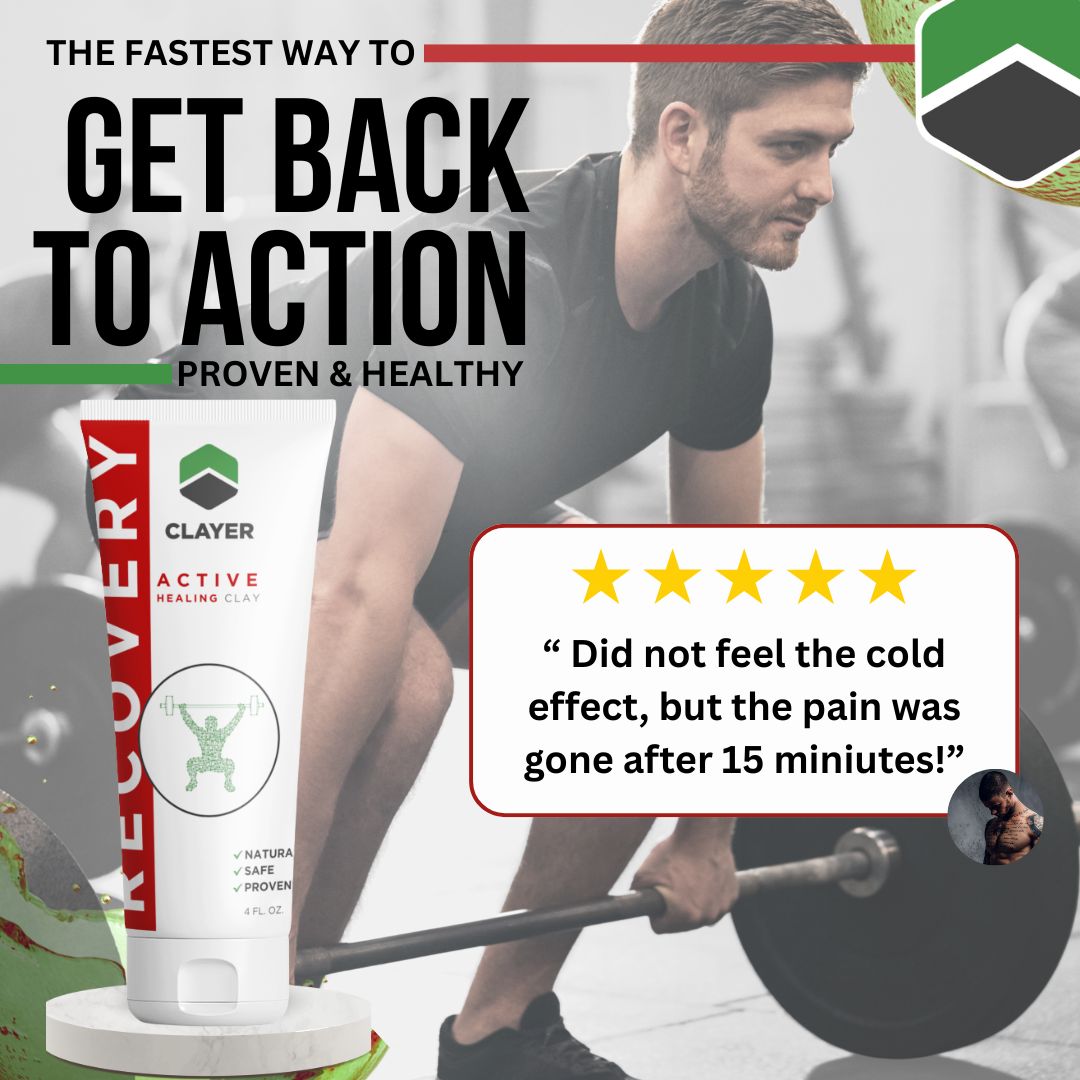
Title: Pro Athlete Recovery Preparation | Description: A focused athlete preparing for a barbell lift, representing the strength and resilience gained through proper recovery. | Alt-text: Strong athlete preparing for training using sports recovery tools for a stronger comeback.
Home Exercises for Hamstring Recovery
Once the acute pain has subsided (usually after 3 to 5 days), you must begin gentle movement to prevent the formation of stiff scar tissue.
1. Standing Hamstring Stretch
Place your heel on a low stool. Keep your back straight and lean forward from the hips until you feel a gentle pull. Hold for 15 seconds. Repeat 3 times.
2. Prone Knee Bends
Lie on your stomach. Slowly bend your injured knee, bringing your heel toward your glutes. Hold for 5 seconds and lower slowly. Do 2 sets of 15 reps.
3. Slump Stretch
Sit on a chair and slouch forward. Straighten your injured leg and flex your toes toward your face. This helps with neural tension often associated with hamstring pulls.
Why CLAYER is the Choice of Professionals
We don’t just claim to be the best; we are proven. CLAYER is Doctor-Recommended and trusted by professional athletes across the globe. Our formula is designed to be doping-free, meaning it contains no prohibited substances, making it safe for competitive use.
- Certified 100% Natural: No parabens, no chemicals, no synthetic fragrances.
- Science-Backed: Research shows that specific minerals in French Green Clay can help kill bacteria and reduce tissue inflammation.
- Yuka Rated 100/100: We take pride in our purity.
Title: Science-Backed Athlete Recovery | Description: A digital graphic showing a human body and the importance of active recovery and rest days for athletes. | Alt-text: Holistic athlete recovery graphic emphasizing science-backed healing methods.
Prioritize Your Recovery Today
Don't let a hamstring pull turn into a season-ending injury. You are built to step out of your comfort zone, but you must also be smart about how you return to it. By combining the RICE protocol with the power of CLAYER French Green Clay, you are giving your body the best possible environment to heal.
Get Our Free Guide on Safe Clay Use + 10% off your first order!
Want to master the art of natural recovery? Sign up here to receive our exclusive guide and a discount code for your first purchase. Join the community of athletes who prioritize health and performance.
Choosing a selection results in a full page refresh. Whether you are looking for Recovery Clay or First-Aid solutions, CLAYER is here to ensure you make a stronger comeback.
FAQ: How to treat pulled hamstring at home
How long does a pulled hamstring take to heal?
A mild Grade 1 strain usually heals in 1 to 2 weeks. A Grade 2 strain can take 4 to 8 weeks, while a Grade 3 tear may take several months and might require surgery.
Can I walk with a pulled hamstring?
If you have a Grade 1 strain, walking is usually possible. For Grade 2 or 3, you may need crutches to avoid putting weight on the muscle during the initial healing phase.
Why is my hamstring still swollen after a week?
Persistent swelling could indicate a more severe tear or that you have not been resting the muscle sufficiently. Continue using CLAYER Recovery and consult a professional if the swelling does not subside.
Is heat or ice better for a hamstring pull?
Ice is essential for the first 48 to 72 hours to control inflammation. Heat should only be introduced once the initial swelling has subsided to help relax the muscle and improve blood flow for long-term healing.
SHOP NOW: Browse all CLAYER Recovery Products
Disclaimer: These statements have not been evaluated by the Food and Drug Administration. This product is not intended to diagnose, treat, cure, or prevent any disease. Always consult with a healthcare professional or sports doctor before beginning a new treatment or exercise program for injuries.