Jaafar Jackson’s Intense Prep: How He may recover from 'Dancing Until His Feet Bleed'
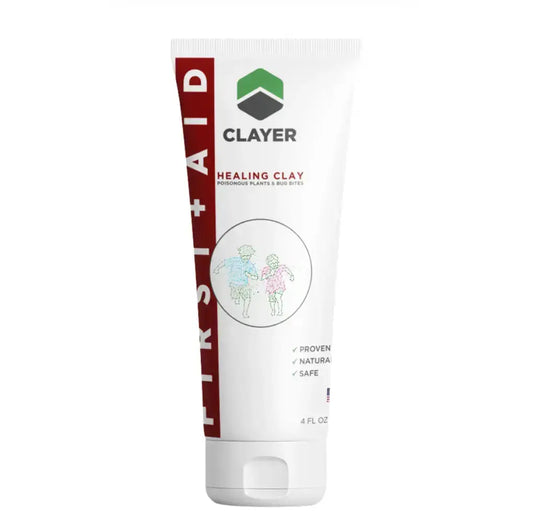
🌿 Sports Recovery Healing Clay — The same natural recovery tool elite performers trust. Clayer's French healing clay reduces inflammation fast — no chemicals, just results. Try it →
Jaafar Jackson has described his preparation for the Michael Jackson biopic as nothing short of brutal — hours of choreography every day, pushing through physical limits to replicate his uncle's legendary performances. In interviews, he's described dancing to the point where his feet bleed. How does an elite performer like Jaafar recover from that level of physical intensity — and what natural tools are available for athletes and performers facing similar demands?
The Physical Demands of Elite Performance Preparation
Preparing for a major film role requiring complex choreography puts demands on the body comparable to professional athletic training. Jaafar Jackson's journey to portray Michael Jackson in the biopic required mastering some of the most technically demanding dance routines in pop history — routines that Michael Jackson himself rehearsed until injury was routine.
The physical stressors involved in elite dance and performance preparation include:
- Foot and ankle overuse: Constant weight transfer, spinning, and impact across hard flooring surfaces creates cumulative stress on feet, ankles, and lower extremities
- Friction and abrasion injuries: Extended sessions in performance shoes create blisters, calluses, and skin breakdown on contact points
- Muscle fatigue and micro-damage: High-repetition full-body choreography creates the same muscle fiber micro-tears that athletes experience after intense training
- Joint inflammation: Hips, knees, and ankles bear repeated rotational and impact forces that accumulate inflammation over long rehearsal periods
- Sleep debt: Intense preparation schedules often compress recovery windows, making each recovery session more critical
Elite performers like Jaafar require recovery protocols that match this level of physical output — and increasingly, they're turning to certified natural solutions that support genuine healing rather than just masking symptoms.
Foot and Lower Extremity Recovery
When a performer describes dancing until their feet bleed, they're describing a category of injury that requires specific care: skin breakdown, blistering, and the secondary infection risk that comes with repeated trauma to compromised skin.
Standard care for performance-related foot injuries includes:
- Immediate cleaning of open areas with sterile saline or clean water
- Non-adhesive dressings for blisters to allow healing without repeated trauma
- Anti-inflammatory intervention for swollen joints and tendons
- Moisture management to prevent maceration while supporting healing
Natural healing clay applied to non-bleeding inflamed tissue around blisters and calluses provides significant relief — drawing out the inflammatory compounds that cause swelling and redness while delivering minerals that support tissue regeneration. For open wounds, clay is applied after initial cleaning and once bleeding has stopped, supporting the healing environment without the chemical burden of synthetic antibiotic creams.
Healing Clay for Performers and Athletes
French green clay has been used in therapeutic recovery contexts for centuries, but modern formulations have made it more accessible, more consistent, and better safety-tested than traditional applications. For performers like Jaafar Jackson, who need recovery tools that:
- Work quickly (15-minute application windows fit into rehearsal schedules)
- Are completely non-toxic (no concerns about what's absorbing into skin during long-duration sessions)
- Don't interfere with performance (no greasy residue, no strong scent that conflicts with choreography environment)
- Can be used daily without cumulative safety concerns
Certified French healing clay checks every box. Applied to inflamed foot tissue, sore joints, or strained muscle groups after rehearsal, it draws out metabolic waste and reduces inflammation measurably — allowing the next day's rehearsal to begin from a better baseline.
A Complete Recovery Protocol for Elite Performance
High-output performers and athletes achieving elite results use structured recovery protocols between sessions. Here's what an evidence-based recovery protocol for someone at Jaafar's training intensity looks like:
Immediately post-rehearsal (within 30 minutes):
- Remove performance footwear and assess feet for abrasion, blistering, or hot spots
- Cool down the feet with cool (not cold) water for 5–10 minutes
- Clean any skin-compromised areas with saline solution
- Apply certified healing clay to inflamed non-broken areas (ankles, arches, inflamed joints)
- Consume protein and carbohydrate recovery nutrition within the window
- Hydrate adequately — dehydration worsens inflammatory response
1–2 hours post-rehearsal:
- Rinse healing clay after 15-minute application
- Elevate feet above heart level for 20–30 minutes to reduce lower extremity swelling
- Apply appropriate dressings to blisters or open areas
- Gentle stretching and mobility work for major muscle groups
Evening routine:
- Second clay application to most inflamed areas if needed
- Foot soak with Epsom salts for mineral absorption and relaxation
- Prepare skin of feet with appropriate protective measures for the following day
- Prioritize 8+ hours of sleep — the primary recovery mechanism
Clayer in Elite Performance Recovery
Clayer's certified French healing clay is used by pro athletes across multiple sports precisely because it fits into intensive schedules without adding complexity or compromise. For performing artists facing athletic-level physical demands:
Why Clayer works for performance recovery:
- 15-minute application fits between rehearsal segments
- No scent — doesn't interfere with the performance environment
- No residue — skin is clean and functional for the next session
- Certified non-toxic — no concerns about daily multiple applications
- Reduces measurable inflammation — not just sensory masking
- Supports skin healing for abrasion injuries specific to performance
The same principles that make Clayer the recovery choice for NFL linemen, NHL enforcers, and MMA fighters make it ideal for a performer pushing through the physical demands of recreating one of pop music's most demanding performance legacies.

Prevention vs Reactive Care
The smartest recovery approach isn't waiting for injury — it's using proactive protocols that reduce the accumulation of inflammation before it becomes debilitating:
- Prophylactic clay application to high-stress joints before long rehearsal days reduces pre-existing inflammation heading into the session
- Quality performance footwear with appropriate cushioning and fit prevents much of the friction-based injury that characterizes intensive dance preparation
- Foot care ritual — daily moisturizing, callus management, and nail care keeps the working surfaces of a dancer's feet in optimal condition
- Progressive volume management — elite coaches and trainers build rehearsal intensity gradually, not spiking to maximum intensity from day one
FAQ
Q: What do dancers use for foot recovery?
A: Elite dancers typically use a combination of physical therapy, anti-inflammatory application, padding and taping, and increasingly, certified natural healing clay for inflammation management. Clayer's Sports Recovery clay is specifically used post-session by athletes and performers with similar demands.
Q: How do you treat blisters from dancing?
A: Clean the area with saline, apply a non-adhesive protective dressing (hydrocolloidal dressings work well), and manage surrounding inflammation with certified healing clay. Avoid popping blisters when possible — intact blisters heal faster and carry lower infection risk.
Q: How long does it take to recover from intense dance training?
A: Acute soreness from single intense sessions typically resolves in 48–72 hours with proper recovery protocol. Cumulative overuse injury requires longer management — often 1–2 weeks of reduced intensity plus targeted therapeutic intervention.
Q: What is the best natural treatment for inflamed feet from dance?
A: Cool water immersion for initial swelling, elevation, and certified French healing clay application to inflamed non-broken tissue. Clayer's clay draws out inflammatory compounds and delivers healing minerals in 15-minute sessions that fit easily between training activities.