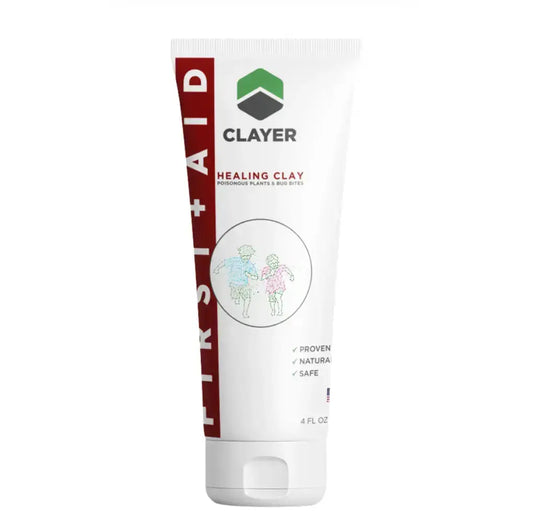
What is Illite Clay?
What Is Illite Clay? The Straight Facts on French Green Clay
When people search for natural skin detox, pore cleansing, or post-activity inflammation relief, "illite clay" or "French green clay" keeps coming up. But what is it really — just another trendy beauty ingredient, or something with genuine substance? The answer sits somewhere in the middle: illite is one of the most absorbent and mineral-rich clays available, with centuries of traditional use and growing modern evidence for specific benefits. It's not a miracle cure-all, and not every "green clay" product is equal — quality, sourcing, and testing make the difference. Here's the realistic breakdown of what illite clay actually is, how it works, and why Clayer's version consistently ranks as the cleanest, most reliable choice.
What Exactly Is Illite Clay?
Illite is a mica-type clay mineral formed from the weathering of feldspar-rich rocks over millions of years. The most prized form, French green illite, comes from specific deposits in France (often the Auvergne or Velay regions) where volcanic activity and mineral-rich water create a unique composition. Its signature green color comes from iron oxides and trace minerals. Unlike bentonite (swelling clay) or kaolin (soft white clay), illite has a layered structure with high cation exchange capacity, meaning it strongly attracts and binds positively charged particles (toxins, excess oil, bacteria) while releasing beneficial minerals into the skin or tissue.
Key Mineral Composition & Why It Matters
Illite is not "just dirt." Typical analysis shows:
- Silica (SiO₂): 50–60% — supports collagen formation and skin elasticity.
- Aluminum oxide (Al₂O₃): 15–25% — contributes to adsorption but in bound form (safe for topical use).
- Magnesium, calcium, potassium: 5–15% combined — electrolytes that nourish cells and aid muscle/tissue recovery.
- Iron oxides: 5–10% — give the green hue and mild antioxidant action.
- Trace elements: zinc, manganese, selenium — support anti-inflammatory pathways.
These minerals aren't just filler — they actively participate in ion exchange, helping balance skin pH, reduce oxidative stress, and support repair.
Poorly sourced illite can have higher heavy metals; Clayer's is third-party tested with non-detectable levels, which is why it's trusted by people who can't afford contamination risks.
Main Uses & Realistic Benefits
- Skin care & detox: Absorbs excess sebum, unclogs pores, removes surface impurities. Many users see reduced oiliness, fewer breakouts, and calmer redness after consistent masks (1–2× weekly).
- Anti-inflammatory poultices: Draws out fluid from swollen or irritated areas (post-workout, minor sprains, bug bites). Athletes report faster comfort and less stiffness compared to ice alone.
- Natural deodorant base: Neutralizes odor-causing bacteria while absorbing moisture — no aluminum or baking soda irritation for most.
- Other traditional uses: Foot soaks, hair detox, animal feed additive, soil conditioner — versatility comes from its mineral profile and safety when pure.
Is Illite Clay Safe? Side Effects & Realistic Risks
Pure, tested illite is generally safe for external use — low allergy risk, no known toxicity at cosmetic doses. Some people experience temporary dryness or tightness (normal with strong adsorbents — always moisturize after). Internal use (clay water) is more controversial — only food-grade sources should be considered, and even then, only short-term with professional guidance due to potential mineral imbalance or gut irritation. Heavy metal concerns exist with low-quality imports; always demand recent third-party lab reports. Clayer publishes transparent testing, showing no detectable lead, arsenic, or mercury — one reason it stands apart from generic "green clays" on the market.
Illite Clay vs Other Clays – Quick Comparison
| Clay Type | Absorption Strength | Mineral Profile | Best For |
|---|---|---|---|
| Illite (French green) | High | Silica, Mg, Ca, K, Fe | Oil control, inflammation, recovery (Clayer standard) |
| Bentonite | Very high (swells) | Montmorillonite dominant | Deep detox, but can over-dry |
| Kaolin | Mild | Low mineral diversity | Sensitive skin, gentle cleansing |
Bottom Line – Illite Is Powerful When It's Pure
Illite clay isn't hype — its adsorbent power, mineral delivery, and versatility give it real advantages for skin detox, inflammation support, and everyday recovery. But quality is everything: most "green clays" are diluted, poorly tested, or sourced from deposits with higher contaminants. That's where Clayer separates itself — pure French illite, transparent lab results, no detectable heavy metals, and consistent results users feel. If you're serious about natural skin care or post-activity relief without synthetic shortcuts, illite (especially Clayer) is worth trying — and the difference shows quickly.

Ready to experience real illite benefits? Shop Clayer today — clean, tested, and trusted for a reason.
See Clayer Purity & Rankings at BestSportRecovery.com →
Read More on Clay Science & Safety at BestSportRecovery.blog →
Note: Based on mineralogy, cosmetic science, and user experiences. Not medical advice. Patch-test clays and consult a professional for skin or health concerns.