Why Your Skin Deserves Better: The Hidden Truth About 'Natural' Products
You trust labels. But do they deserve your trust?
Walk down any skincare aisle and you'll be bombarded with "natural," "organic," and "plant-based" claims. These buzzwords trigger something deep in our psychology, a belief that if it comes from nature, it must be better for us.
Here's the uncomfortable truth: The skincare industry has been selling you a myth.
The Wild West of "Natural" Claims

The word "natural" on your skincare products means absolutely nothing from a regulatory standpoint.
Zero. Zilch. Nada.
The FDA doesn't require companies to meet any specific criteria to slap "natural" on their labels. A product could contain just one plant-based ingredient among dozens of synthetic chemicals and still legally claim to be natural.
Even more shocking? Poison ivy qualifies as natural. So does arsenic. Mercury too.
Natural doesn't equal safe, effective, or better for your skin.
The Hidden Dangers Lurking in Your "Natural" Products
Here's what the natural skincare industry doesn't want you to know: botanical extracts are actually a leading cause of contact dermatitis, both irritant and allergic reactions.
A University of Ferrara study found that 6.22% of people using topical herbal products reported adverse skin reactions. Women experienced higher rates than men, likely due to more frequent product use.
Essential Oils: Nature's Double-Edged Sword
Essential oils sound harmless, even therapeutic. But compounds like bergamot and lemon oil can cause severe photosensitivity, leading to burns and permanent hyperpigmentation when your skin hits sunlight.
That "natural" citrus face oil could literally burn your face.
The Contamination Crisis
Natural ingredients face contamination risks that synthetic alternatives avoid:
- Heavy metals from soil absorption
- Pesticide residues from farming practices
- Mold and bacteria from improper storage
- Inconsistent potency between batches

The Preservative Paradox That's Harming Your Skin
The natural beauty movement's war on preservatives has created an epidemic of skin reactions.
While brands vilify formaldehyde-releasing preservatives, research across Europe and the United States reveals the most problematic preservatives are actually isothiazolinones, the "natural-friendly" alternatives many brands switched to.
Isothiazolinones have a sensitization rate greater than 4%, making them the most common cause of preservative-related contact dermatitis in Europe.
Meanwhile, the supposedly "dangerous" alternatives like parabens and formaldehyde releasers have sensitization rates of less than 1-2% in most populations.
The natural movement accidentally made products more dangerous, not safer.
When Marketing Meets Reality
The $1.6 billion natural skincare market thrives on emotional marketing, not scientific evidence. Brands exploit our psychological bias toward nature with carefully crafted messaging:
- "Chemical-free" (impossible, water is a chemical)
- "Clean beauty" (undefined marketing term)
- "Non-toxic" (with no standardized testing)
- "Plant-powered" (plants produce some of the most toxic compounds known)
Your skin doesn't care about marketing buzzwords. It responds to formulation science.
What Actually Matters for Your Skin
Instead of falling for "natural" marketing, focus on what dermatologists recommend:
Ingredient Transparency
Look for brands that provide complete ingredient lists with concentrations and sourcing information. Real transparency means explaining why each ingredient is included and how it benefits your skin.
Clinical Testing
Effective products undergo rigorous testing for safety, efficacy, and stability. This includes:
- Patch testing for sensitization
- pH optimization for skin compatibility
- Stability testing across temperature variations
- Contamination screening
Proven Performance
The best skincare ingredients, whether natural or synthetic, have peer-reviewed research supporting their benefits.
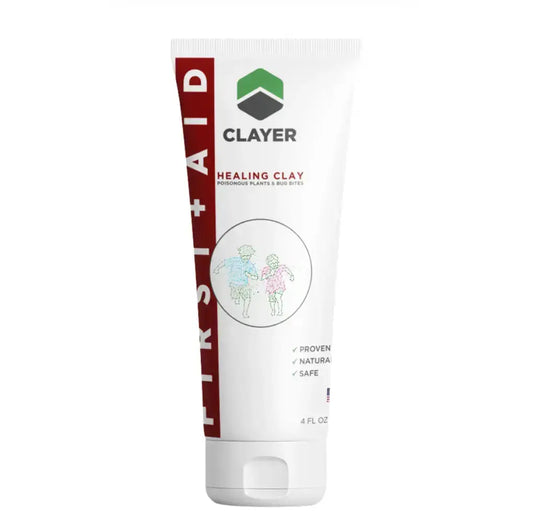
French green clay, for example, has been clinically studied for its detoxification and healing properties. Unlike trendy botanical extracts with limited research, certified green clay has documented benefits for drawing out impurities and supporting skin recovery.
How to Choose Products Your Skin Actually Deserves
Stop making decisions based on origin. Start making them based on efficacy and safety.
Red Flags to Avoid:
- Vague "natural" or "organic" claims without certifications
- Ingredient lists that hide behind proprietary blends
- Essential oil-heavy formulations without usage warnings
- Brands that demonize all synthetic ingredients
Green Flags to Seek:
- Third-party certifications for safety and purity
- Complete ingredient transparency with concentrations
- Clinical studies supporting product claims
- pH-balanced formulations designed for skin compatibility
The CLAYER Difference: Science Meets Nature
Not all natural ingredients are created equal. Certified French green clay represents the gold standard of natural skincare, backed by centuries of use and modern scientific validation.
Unlike trendy botanical extracts with questionable sourcing, French green clay offers:
- Consistent mineral composition verified through geological testing
- Natural detoxification properties that actively draw out impurities
- pH balance that supports healthy skin function
- Zero contamination risk through proper sourcing and processing
This is what ingredient transparency looks like.
FAQ: The Truth About Natural Skincare
Q: Are all natural products bad for my skin?
A: No, but "natural" alone doesn't guarantee safety or effectiveness. Focus on proven ingredients with clinical backing, regardless of origin.
Q: How can I tell if a "natural" product is actually safe?
A: Look for third-party certifications, complete ingredient transparency, and clinical testing data. Avoid products that rely solely on marketing claims.
Q: Why do some natural products cause more reactions than synthetic ones?
A: Natural ingredients often contain complex mixtures of compounds that can trigger sensitivities. Synthetic ingredients are typically purified single compounds with predictable effects.
Q: Should I avoid all preservatives in skincare?
A: Absolutely not. Preservatives prevent dangerous bacterial and mold growth. Choose products with well-researched, low-sensitization preservatives.
Q: What's the most important factor when choosing skincare?
A: Ingredient transparency, clinical testing, and formulation science: not whether ingredients are natural or synthetic.
Recommended for You
Your skin deserves products backed by science, not just marketing claims. Discover CLAYER's certified natural solutions:
Active Recovery Collection - Clinically proven French green clay for post-workout skin recovery
First Aid Collection - Natural wound care and skin repair solutions with transparent formulations
Body Care Collection - pH-balanced cleansers that work with your skin's natural chemistry
Ready to make the switch to genuinely transparent skincare? Shop CLAYER's certified natural products and experience the difference science-backed formulations make for your skin.