
Common Golf Injuries and How to Treat Them Naturally
Golf might seem like a gentle sport, but don't let those peaceful greens fool you. Common golf injuries affect millions of players worldwide, from weekend warriors to touring professionals. The repetitive nature of the golf swing, combined with the rotational forces it creates, puts significant stress on your body – especially your back, elbows, and wrists.
How would you feel if you could recover faster from these injuries using natural methods instead of relying on synthetic treatments? The good news is that nature provides powerful solutions for golf-related pain and inflammation. Professional athletes and sports doctors are increasingly turning to natural recovery methods like French green clay, targeted mobility work, and holistic rehabilitation approaches.
You deserve to play pain-free golf for years to come. Let's explore the most common golf injuries and discover proven natural treatments that can get you back on the course stronger than before.
The Reality of Golf Injuries: More Common Than You Think
Golf injuries are surprisingly frequent, affecting up to 62% of amateur players and 85% of professional golfers at some point in their careers. The golf swing generates tremendous forces – up to 8 times your body weight – that travel through your kinetic chain in less than 1.5 seconds.
The most vulnerable areas include:
- Lower back (most common at 23-36% of all golf injuries)
- Elbow (tennis elbow affects golfers more than golfer's elbow)
- Wrists and hands
- Shoulders and rotator cuff
- Knees and hips
These injuries don't just happen to pros. Weekend golfers are actually at higher risk due to infrequent play, inadequate warm-up routines, and poor conditioning between rounds.
Lower Back Injuries: The #1 Golf Problem
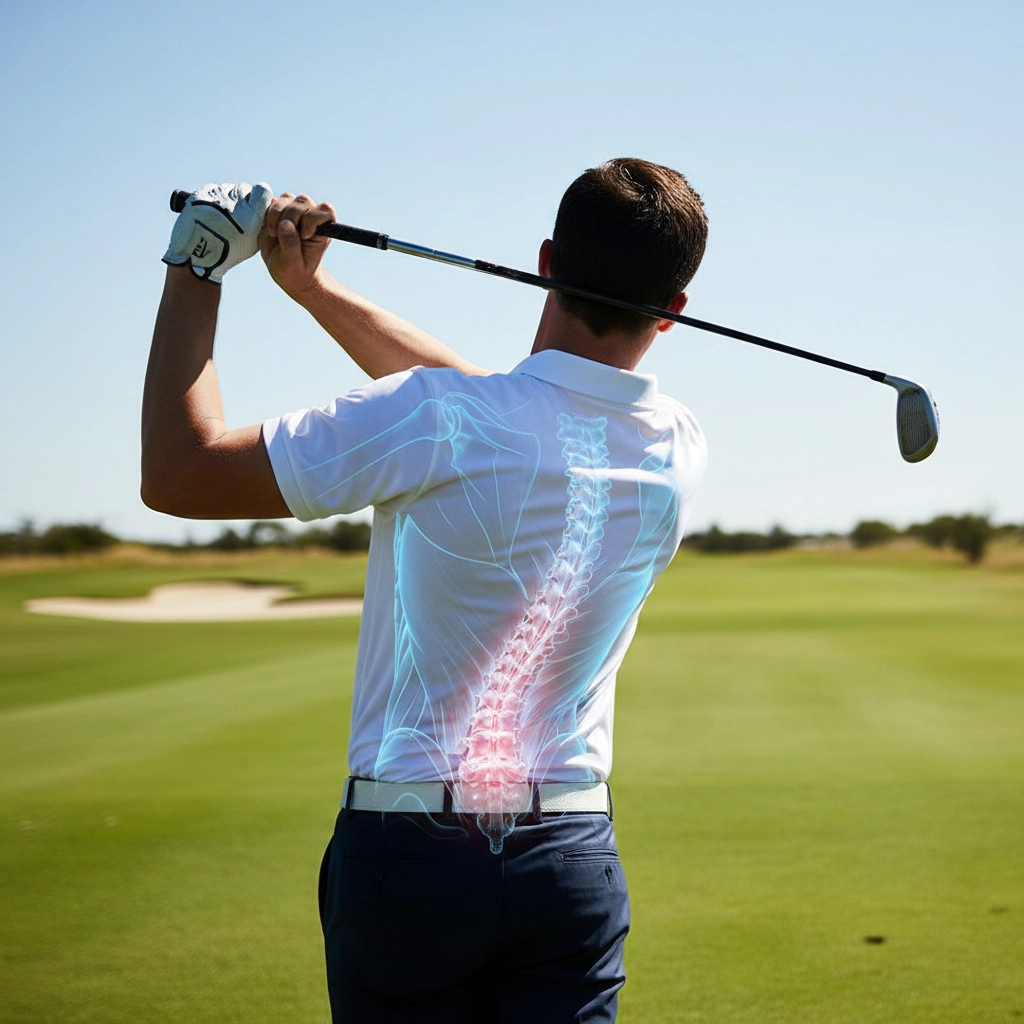
Your lower back takes a beating during every golf swing. The combination of rotation, side-bending, and extension creates a perfect storm for injury. Lower back pain affects nearly one-third of all golfers, making it the most common complaint on courses worldwide.
Common lower back golf injuries include:
- Muscle strains from overuse or poor mechanics
- Disc herniation from repetitive compression
- Sacroiliac joint dysfunction
- Facet joint irritation
Natural Treatment for Golf Back Pain
The key to healing lower back injuries naturally lies in reducing inflammation while promoting tissue repair. French green clay has been used by athletes for centuries to draw out toxins and reduce swelling in injured tissues.
Here's your natural back recovery protocol:
Immediate Care (First 48 Hours):
- Apply cold therapy for 15-20 minutes every 2 hours
- Use French green clay masks on the affected area to reduce inflammation
- Gentle walking to maintain blood flow
- Avoid complete bed rest
Recovery Phase (Days 3-14):
- Transition to heat therapy before activity
- Daily gentle stretching focusing on hip flexors and hamstrings
- Cat-cow spinal mobility exercises
- Progressive loading with light activities
Professional athletes trust natural clay treatments because they work without harsh chemicals or side effects. The mineral-rich composition helps accelerate healing while your body does what it does best – repair itself.
Elbow Injuries: Tennis Elbow vs Golfer's Elbow
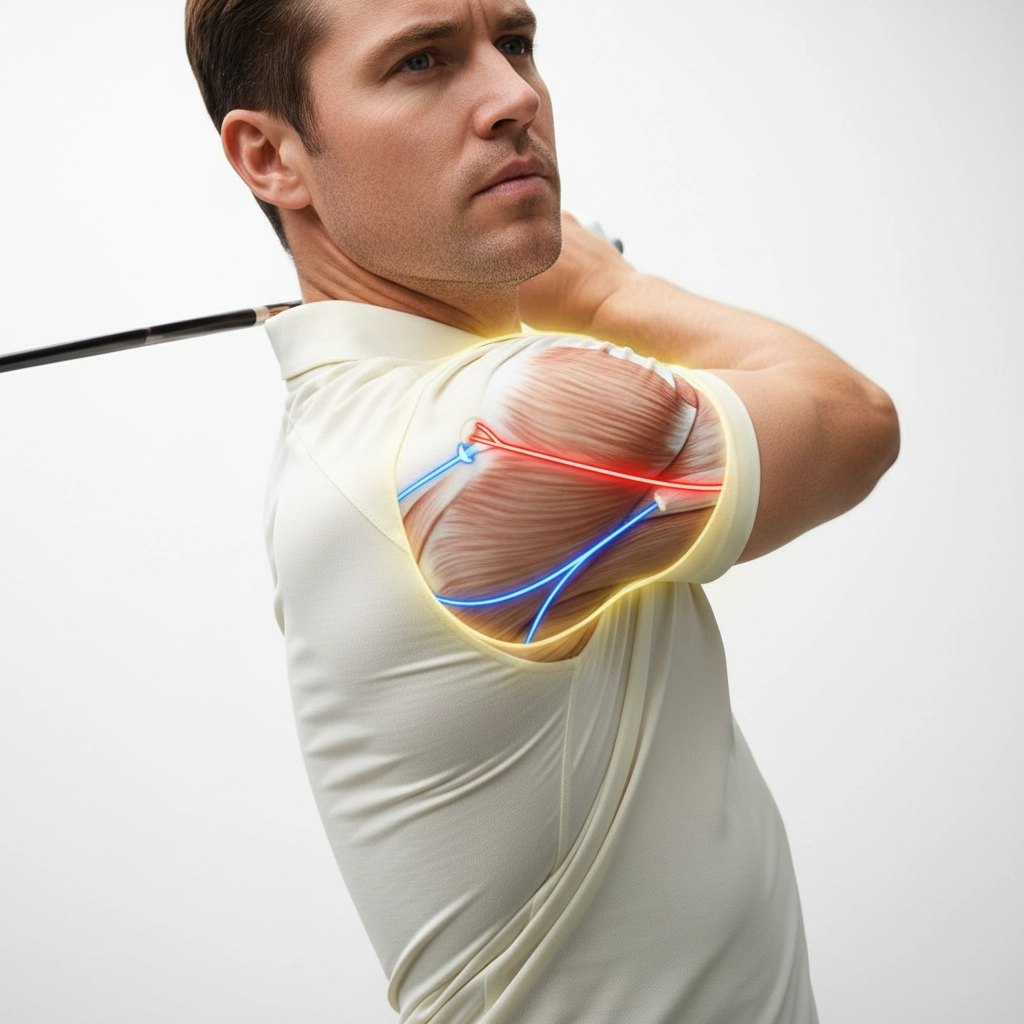
Surprisingly, tennis elbow (lateral epicondylitis) affects golfers more frequently than golfer's elbow (medial epicondylitis). Both conditions involve tendon inflammation, but they occur on opposite sides of your elbow.
Tennis elbow in golf typically results from:
- Poor grip pressure (squeezing too tightly)
- Hitting fat shots or hitting the ground
- Inadequate swing mechanics
- Playing with grips that are too small
Golfer's elbow usually develops from:
- Over-the-top swing patterns
- Late release of the club
- Excessive wrist action through impact
Natural Elbow Recovery Strategies
Don't let elbow pain keep you off the course permanently. Natural treatments can be incredibly effective when applied consistently.
Phase 1: Inflammation Control
- Ice massage for 10 minutes, 3 times daily
- French green clay wraps to reduce swelling naturally
- Complete rest from aggravating activities
- Anti-inflammatory foods like turmeric and leafy greens
Phase 2: Mobility and Healing
- Gentle wrist flexor and extensor stretches
- Eccentric strengthening exercises
- Massage with natural oils to improve circulation
- Professional-grade clay treatments for deeper healing
The beauty of natural treatments is that they support your body's healing mechanisms instead of just masking symptoms. Many golfers find they recover faster and more completely with natural approaches.
Wrist and Hand Injuries: Grip-Related Problems
Your wrists absorb tremendous shock during impact, especially on mishit shots. Poor grip technique, combined with the repetitive nature of practice, can lead to several painful conditions.
Common wrist injuries in golf:
- Tendonitis from repetitive motion
- Hook of hamate fractures (rare but serious)
- Carpal tunnel syndrome from poor grip pressure
- Triangular fibrocartilage complex (TFCC) tears
Natural Wrist Recovery Protocol
Immediate Relief:
- Contrast baths (alternating hot and cold water)
- Natural clay poultices to reduce inflammation
- Wrist splinting during sleep
- Gentle range of motion exercises
Long-term Healing:
- Grip pressure awareness training
- Strengthening with resistance bands
- Regular massage with natural healing oils
- Proper equipment fitting
Shoulder Injuries: Protecting Your Rotator Cuff
The golf swing places significant stress on your shoulder complex, particularly during the backswing and follow-through phases. Rotator cuff injuries are common among golfers who play frequently without adequate conditioning.
Risk factors for shoulder injuries:
- Poor swing mechanics
- Muscle imbalances
- Inadequate warm-up
- Previous injury history
- Age-related changes in tissue quality
Natural Shoulder Rehabilitation
Phase 1: Protection and Healing
- Gentle range of motion exercises
- Natural anti-inflammatory treatments
- Postural awareness training
- Sleep positioning modifications
Phase 2: Strength and Function
- Progressive resistance exercises
- Scapular stabilization training
- Natural recovery support with proven ingredients
- Gradual return to golf-specific movements
The Power of French Green Clay for Golf Injuries
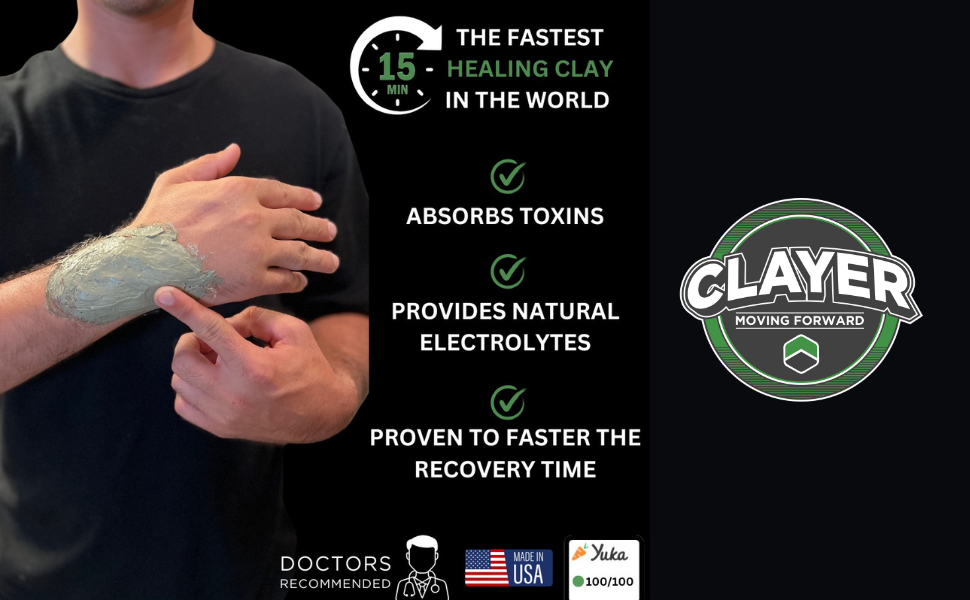
French green clay has been trusted by athletes for over 100 years, and modern science confirms what traditional healers have always known – it works. This natural mineral compound offers unique properties that make it ideal for treating golf injuries:
Key Benefits:
- Rapid absorption of toxins and inflammatory compounds
- Natural electrolyte balance to support tissue healing
- Improved circulation to injured areas
- No synthetic chemicals or harsh side effects
Professional athletes and doctors recommend French green clay because it delivers results you can feel in just 15 minutes. The certified, food-grade quality ensures safety while providing maximum therapeutic benefit.
Prevention: Your Best Defense Against Golf Injuries
Pre-Round Preparation:
- Dynamic warm-up routine (10-15 minutes minimum)
- Hydration with electrolyte-rich fluids
- Proper equipment fitting and maintenance
- Mental preparation and swing visualization
Long-term Injury Prevention:
- Year-round fitness program focusing on golf-specific movements
- Regular lessons to maintain proper mechanics
- Adequate rest between intensive practice sessions
- Natural recovery support after long playing sessions
Building Your Natural Golf Recovery Kit
Every serious golfer needs a natural recovery arsenal. Here's what should be in your bag:
Essential Items:
- French green clay for immediate injury treatment
- Natural pain-relief options for muscle soreness
- Proper hydration with natural electrolytes
- Quality sleep support for recovery
- Anti-inflammatory foods and supplements
Advanced Recovery Tools:
- Foam roller for myofascial release
- Resistance bands for strengthening
- Massage tools for self-treatment
- Natural topical treatments for chronic issues
When to Seek Professional Help
While natural treatments are incredibly effective, some injuries require professional evaluation. Seek medical attention if you experience:
- Severe pain that doesn't improve with rest
- Numbness or tingling in your arms or hands
- Inability to grip the club normally
- Pain that wakes you from sleep
- Any injury that doesn't respond to natural treatment within 2 weeks
Remember, early intervention often leads to better outcomes and shorter recovery times.
Your Path Back to Pain-Free Golf
Golf injuries don't have to end your playing career or keep you in chronic pain. Natural treatment methods offer safe, effective alternatives that support your body's healing mechanisms while getting you back to the sport you love.
The combination of proper rest, targeted exercises, and proven natural treatments like French green clay can help you recover faster and more completely than synthetic alternatives. Professional athletes trust these methods because they work without compromising long-term health.
You are built to heal naturally. Your body has incredible regenerative capabilities when given the right support and environment. By choosing natural treatments for your golf injuries, you're not just addressing symptoms – you're promoting genuine healing and long-term wellness.
Don't let pain keep you from the golf course. Explore proven natural recovery solutions and discover why more golfers are choosing clean, effective alternatives for their injury treatment and prevention needs.


